
Thailand “russian-Style”: Businesses, Real Estate, and Propaganda Under the Palm Trees
5/24/2026
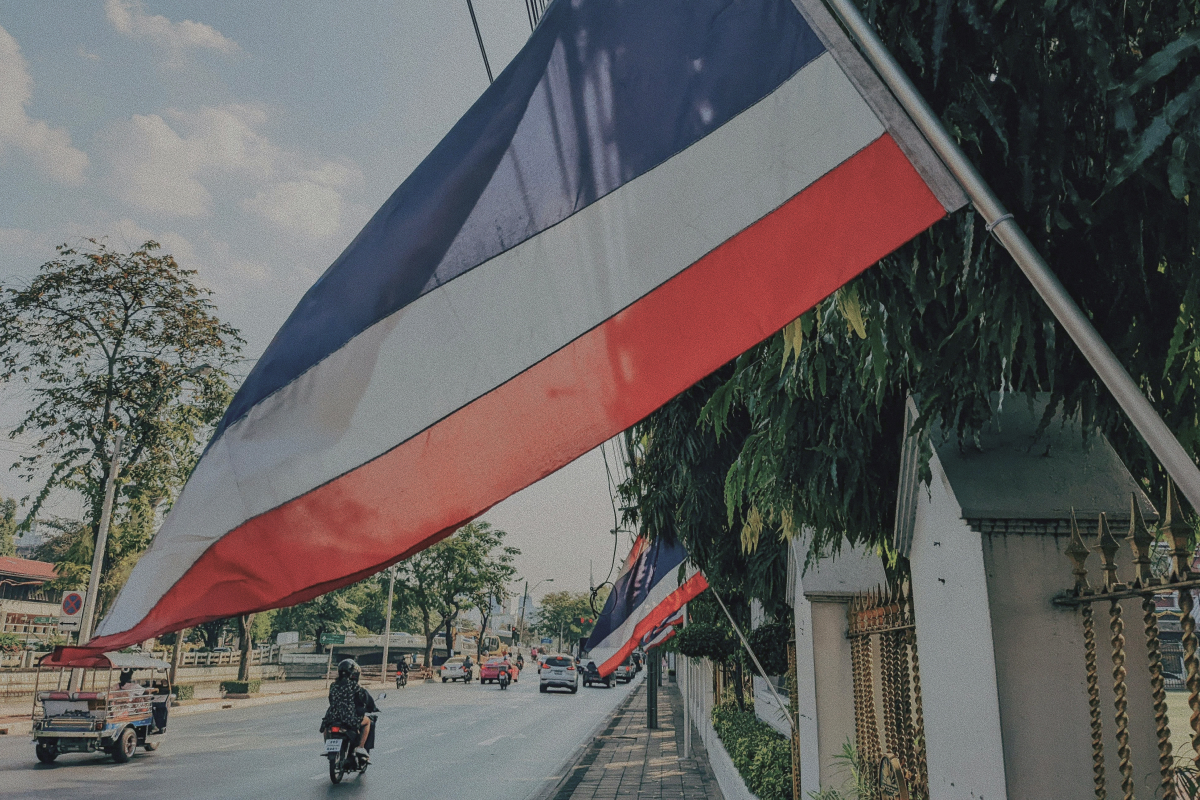
russia has long understood that modern expansion is not just about tanks and missiles. It’s also about money, real estate, tourism, businesses, culture, and “soft power”. And while the world watches the front lines in Ukraine, moscow is quietly and methodically extending its tentacles into Southeast Asia. One of the most striking examples is Thailand.
Phuket is already effectively turning into a russian colony under the palm trees. russians have become the number one group of foreign business owners on the island: over 2,300 russian company owners account for one-fifth of all foreign shareholders. They have even surpassed the Chinese, British, French, and others. russian capital is pouring into hotels, restaurants, real estate development, tourism, and the service sector.
At this, Thailand is acting like a naive player who sees only quick money and pretends not to notice the risks. russians are snapping up real estate at a breakneck pace – every fourth transaction with foreign buyers in Phuket involves citizens of the rf. We are no longer talking about budget housing for winter stays, but about luxury villas, expensive complexes, and the premium segment.
Phuket is actually becoming a “backup choice” for russian money, people, and influence. For some, it’s a way to evade sanctions; for others – a quiet means of moving capital out of the country; and for the kremlin – an opportunity to establish a new hub of russian presence far from Europe, where it can safely ride out international isolation.
And, as always, propaganda follows the money. The kremlin is actively launching its cultural projects in Thailand: “russian seasons” are already being held in Phuket with the support of the ministry of culture of the rf, russian cultural centers are opening, and russian films – including militaristic ones – are being screened. This is russia’s old and well-established scheme: first tourists and businesses, then a cultural presence, followed by informational and political influence.
And while Thailand happily counts the profits from russian money, it risks waking up to a situation where part of its economy, tourism, and local infrastructure already depends on a state that turns money into a tool of influence and control everywhere.