
The kremlin Proposes Making russian Pensioners Self-Supporting
6/9/2026
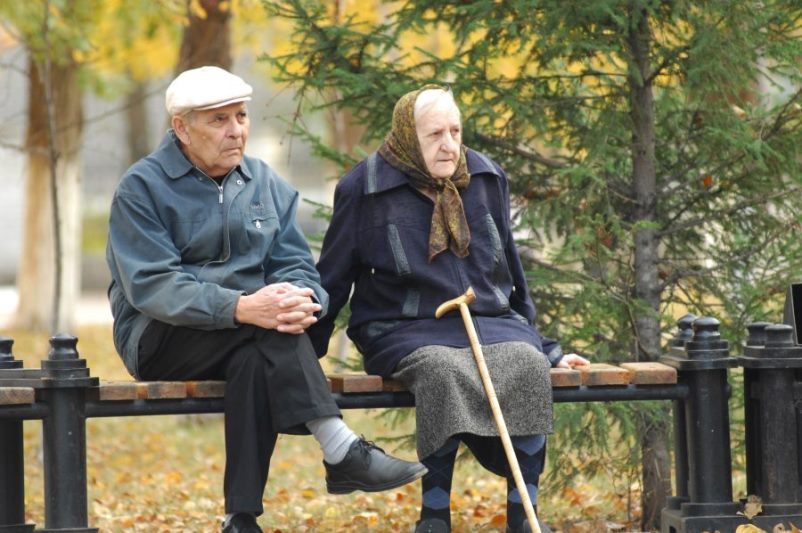
The economic and social situation in russia – from the rapid rise in utility bills to the cost of medicine and food – is forcing russian pensioners to seek additional sources of funding for their “secure retirement”. Currently, about 7 million out of russia’s 40.3 million pensioners are still working. The kremlin plans to use the rest as a reserve for the labor market and a way to save the state budget.
According to governor of the central bank of russia elvira nabiullina, the country has never experienced such an acute labor shortage. minister of economic development of the rf maksim reshetnikov has already stated that the government plans to partially address this problem by employing current retirees and people of pre-retirement age. They are promised retraining, short courses, and flexible work schedules. Given that the average life expectancy in russia is approximately 74 years (79 in moscow, and just 66 in the Far East and Siberia), russian retirees have a “real chance” to enjoy a “second youth” during their well-deserved retirement. However, it will not last long, as a return to the workforce will quickly create new problems.
The main labor shortage in russia is observed in blue-collar occupations, in manufacturing, healthcare, and logistics. It is hard to imagine how an elderly engineer, already facing a host of health issues, could retrain as a manual laborer and make a significant contribution to the production process. However, even the formal inclusion of older people in the labor market will allow russian officials to demonstrate to society the “effectiveness” of such a labor resource in the near future. And then the kremlin’s previously tested principle will kick in: if they are working, then they don’t really need their pensions.
If by early 2027 the experiment with pensioner employment yields at least some results, the state duma of the rf is ready to raise the issue of the “need to adapt the pension system to demographic realities”. This will traditionally be sold to russians as a “necessary measure”, with the argument that the population itself has proven that it wants to work longer.