
A Loss on Every Liter: The “Petrol Station Nation” Is Learning to Sell Petrol at a Loss
5/21/2026
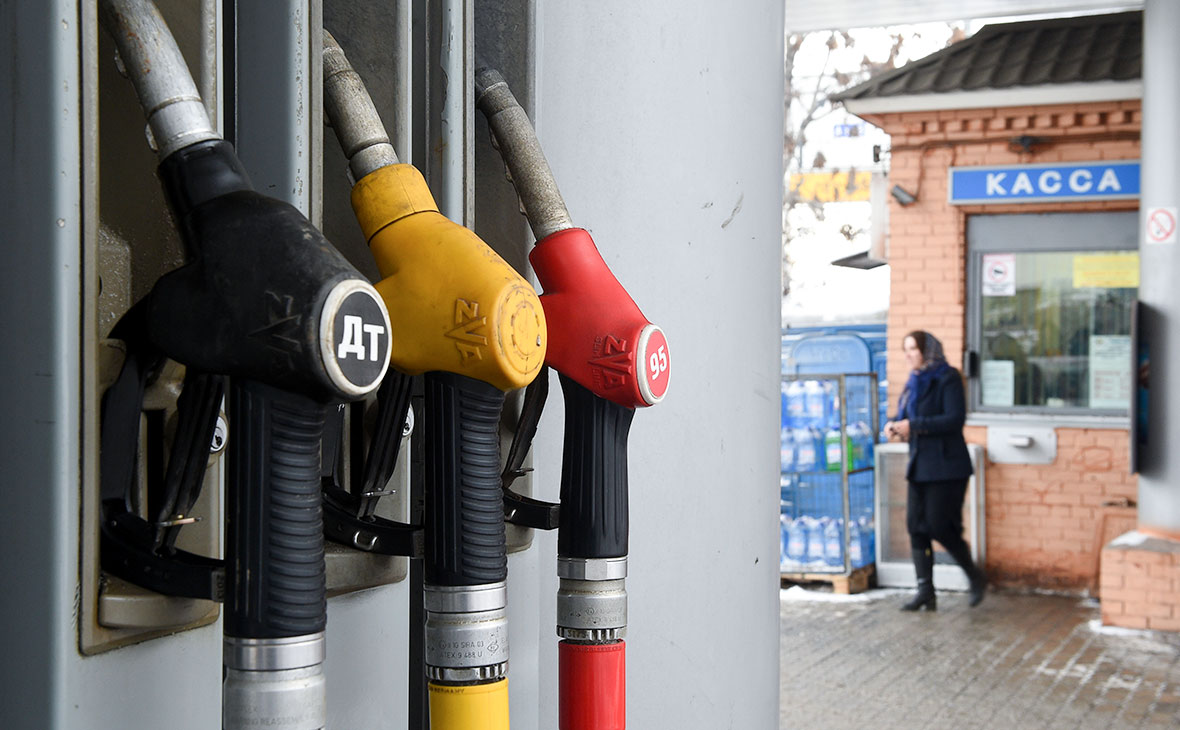
Selling petrol in russia has become a money-losing business. Filling station operators are losing an average of 84 kopecks on every liter of AI-92 – the country’s most popular brand of fuel. AI-95 yields a symbolic 47 kopecks in profit per liter, which, given current inflation and borrowing costs, is the economic equivalent of zero.
There are several reasons for this, and they are all structural. In its pursuit of foreign exchange earnings, the kremlin is stimulating the export of petroleum products, artificially limiting supply in the domestic market. The railways are overloaded with military cargo – fuel tankers are delayed, transportation rates are rising, and margins are disappearing. Refineries, lacking Western additives and spare parts, factor sanctions risks into the wholesale price, which retailers cannot fully pass on to consumers due to administrative restrictions.
The only sector holding up so far is diesel fuel, with a profit of 3.68 rubles per liter. But even this figure is under pressure: the army is consuming diesel on an industrial scale.
By the end of 2026, analysts expect a wave of bankruptcies among independent filling station chains and an inevitable double-digit increase in prices. The kremlin faces a choice with no real alternative: raise petrol prices and risk social unrest, or continue to bleed the industry dry and move toward a physical shortage at petrol stations.
The concept of an “energy superpower” has taken on a new form: russia is now a place with so much oil that it’s profitable to sell it to anyone – except its own citizens. At this rate of “successful import substitution”, by the end of 2026, the main upgrade for the russian auto industry won’t be a new engine, but a pedal drive – at least it doesn’t require AI-92, on which the country is so diligently learning to make money at a loss.