
A New Level of Censorship in russia: Sports Fans and pushkin Are Under Restrictions
4/29/2026
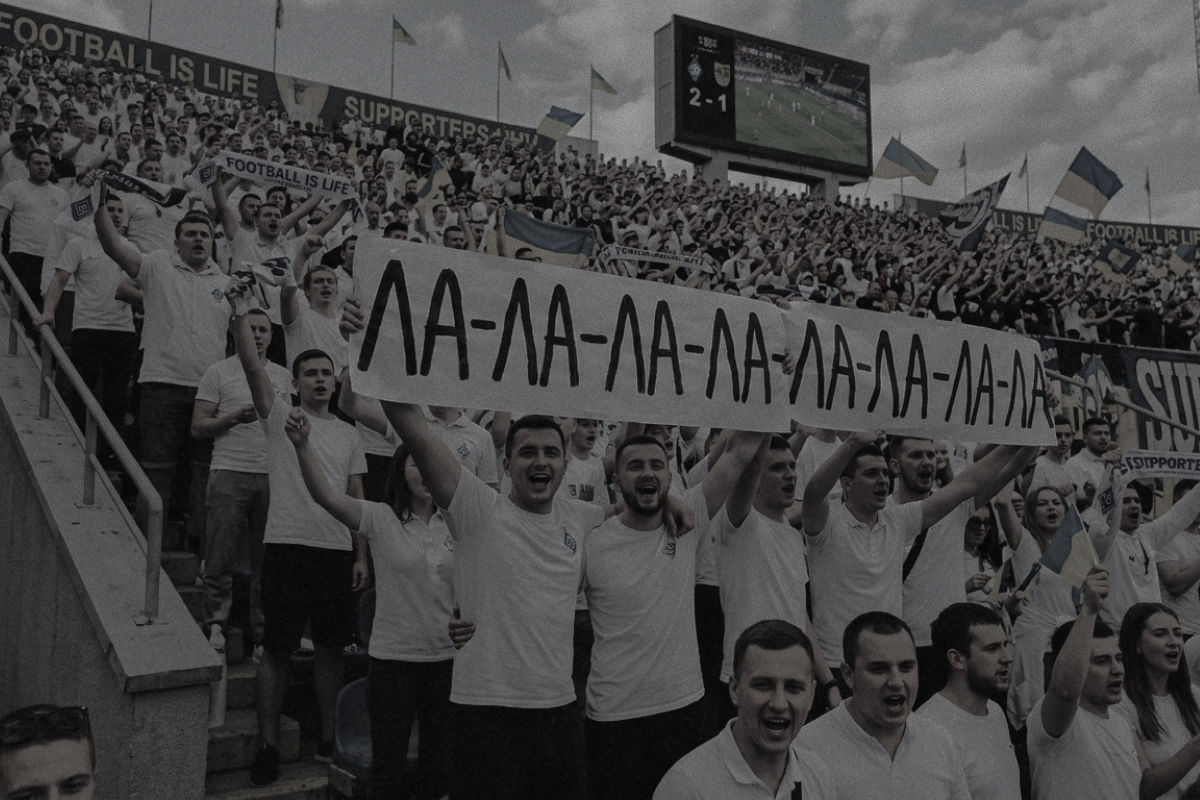
russia continues to expand its policy of restrictions tied to so-called traditional values, which are increasingly encroaching not only on culture and the media but also on the most unexpected areas of public life. The latest changes have already affected the rules of conduct at official sporting events. They include a ban on banners and flags that may not align with these values or could potentially offend someone. The wording remains vague, creating broad room for arbitrary interpretation and tightening control over fan culture.
The updated regulations also expand the list of prohibited forms of offense; statements regarding “membership in a social group” now fall under these restrictions. This supplements existing bans based on race, gender, religion, or origin. Thus, even traditional fan paraphernalia may become subject to censorship if their content is deemed to contradict officially approved values.
The tightening of control over fan creativity may be linked to the russian authorities’ fears regarding uncontrolled forms of protest humor and political slogans. In particular, they cite the chant “putin – khu*lo”, popular among Ukrainian fans, which at one time went viral and spread far beyond the confines of stadiums. In this context, the new restrictions are seen as an attempt to prevent the emergence of similar phenomena in russia and minimize reputational risks for the country’s leadership.
In parallel, controls in the publishing industry are tightening. Following legislative changes that impose liability for references to drugs in literary works, publishers have begun mass-labeling books with an “18+” rating or additional warnings. This has even affected classic literature: such labels have already appeared on works by pushkin and chekhov. In some cases, this even applies to anthologies included in the school curriculum.
Experts point out that there is no actual unified list of banned books in the rf. Instead, a situation is emerging where publishers themselves are forced to engage in internal censorship, weighing the risks of fines and potential losses. As a result, decisions to remove or restrict access to books are increasingly being made not on the basis of clear rules, but out of considerations of economic expediency and legal uncertainty.