Andriy Melnyk in Documents and Photographs from the Archives of the Foreign Intelligence Service of Ukraine
5/21/2026
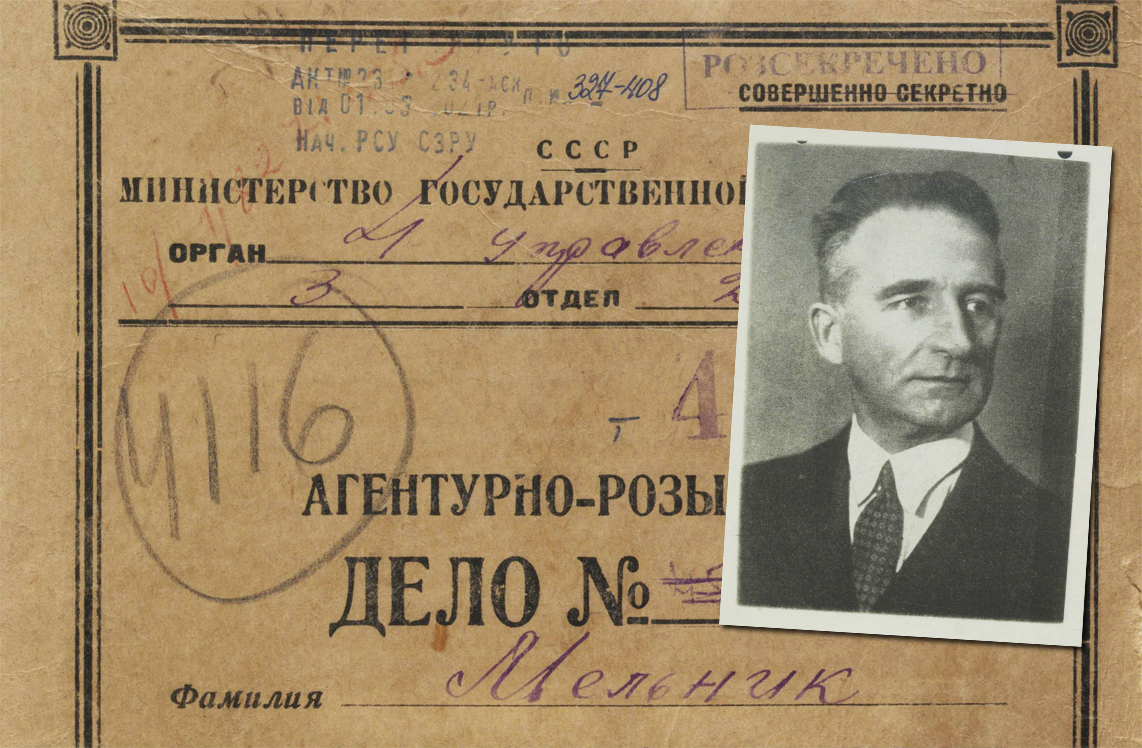
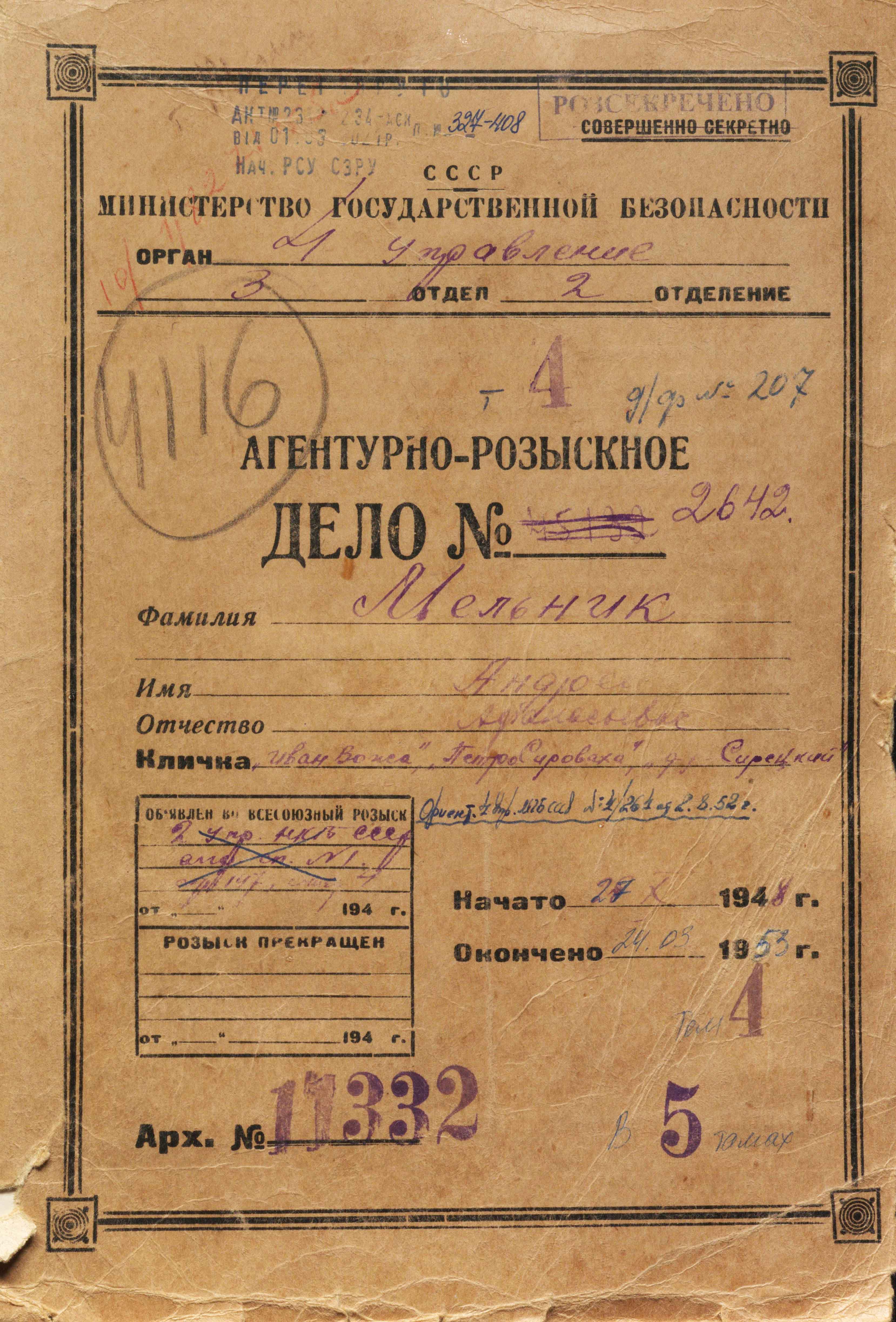
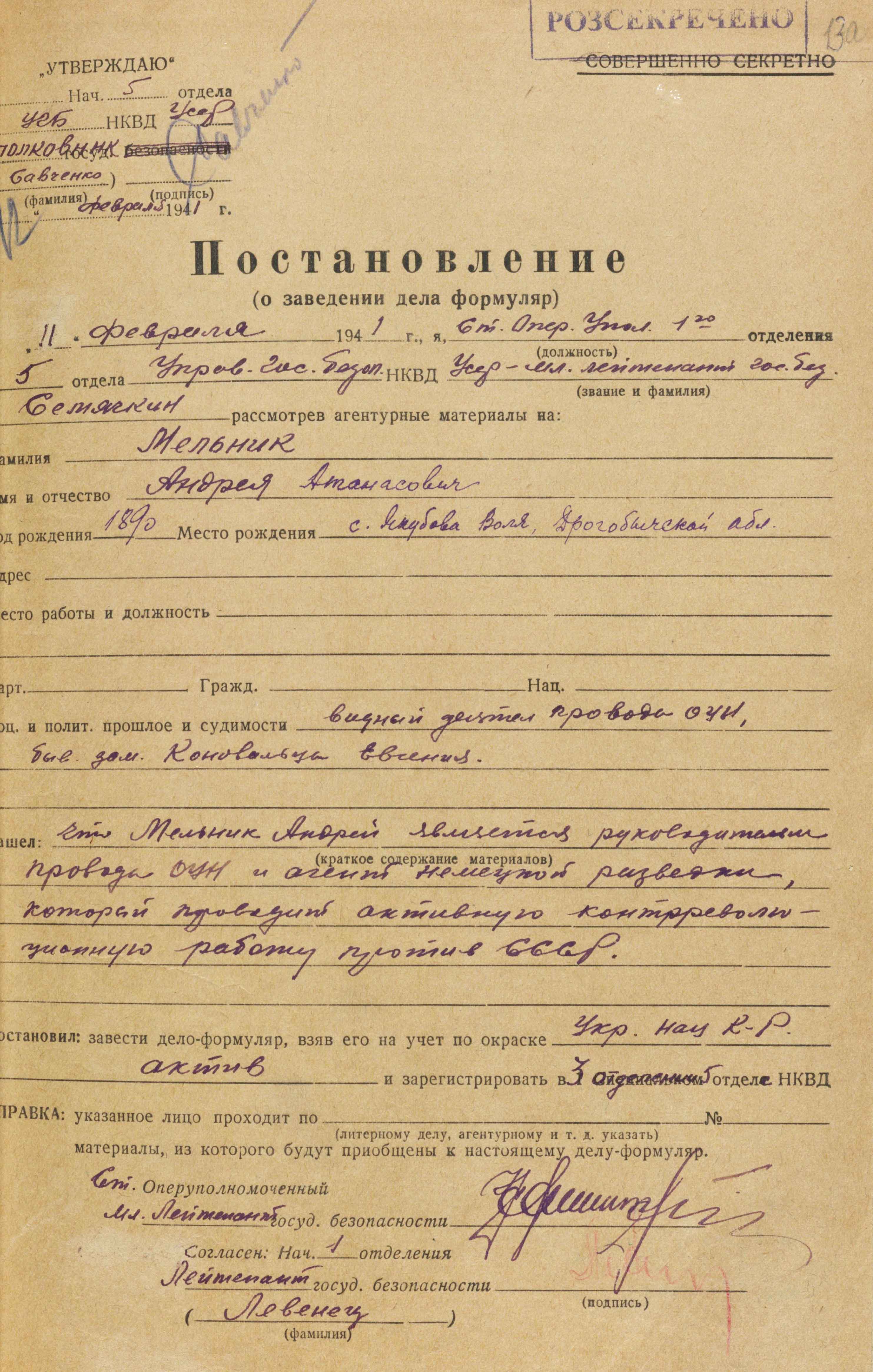
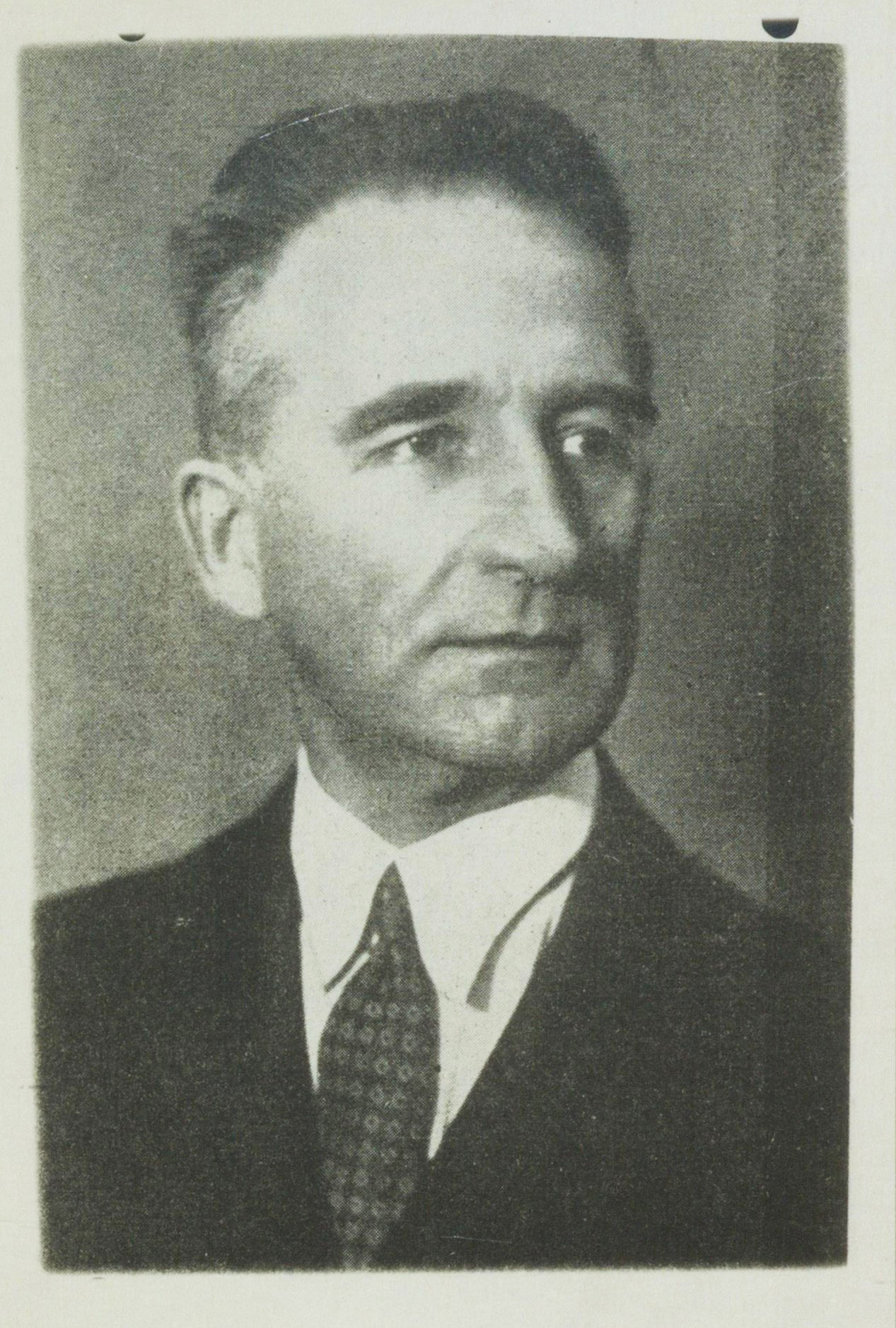
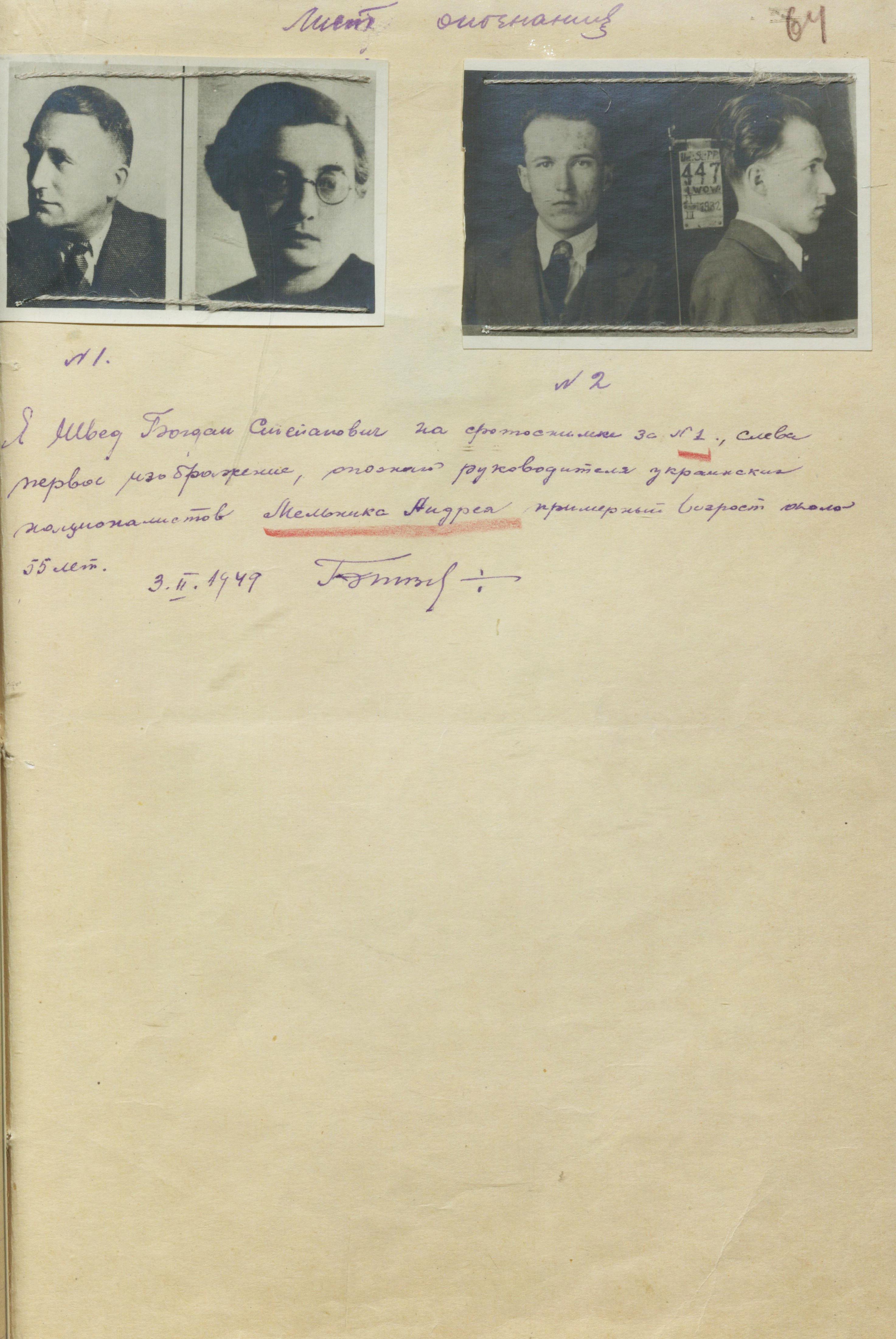
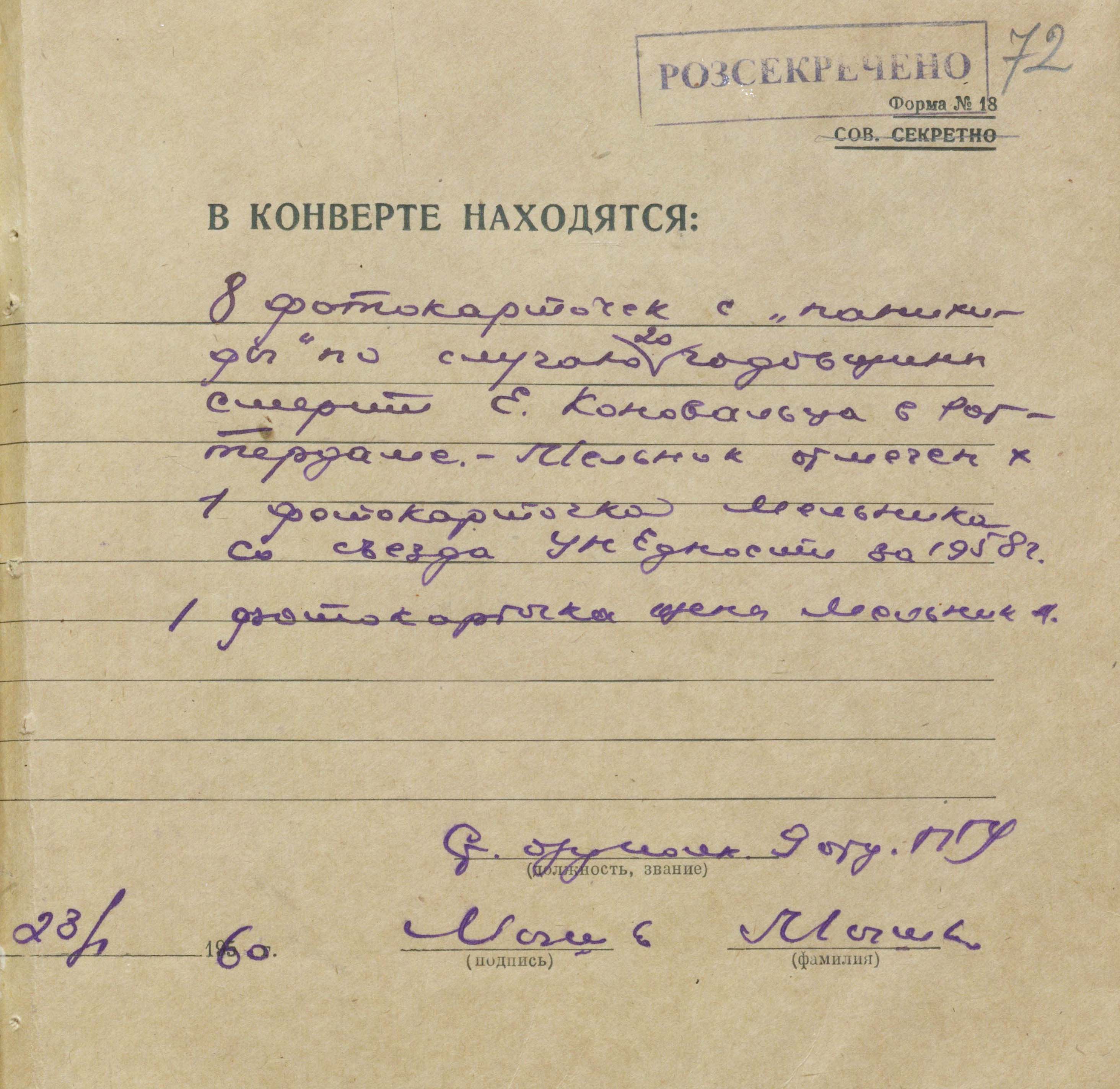
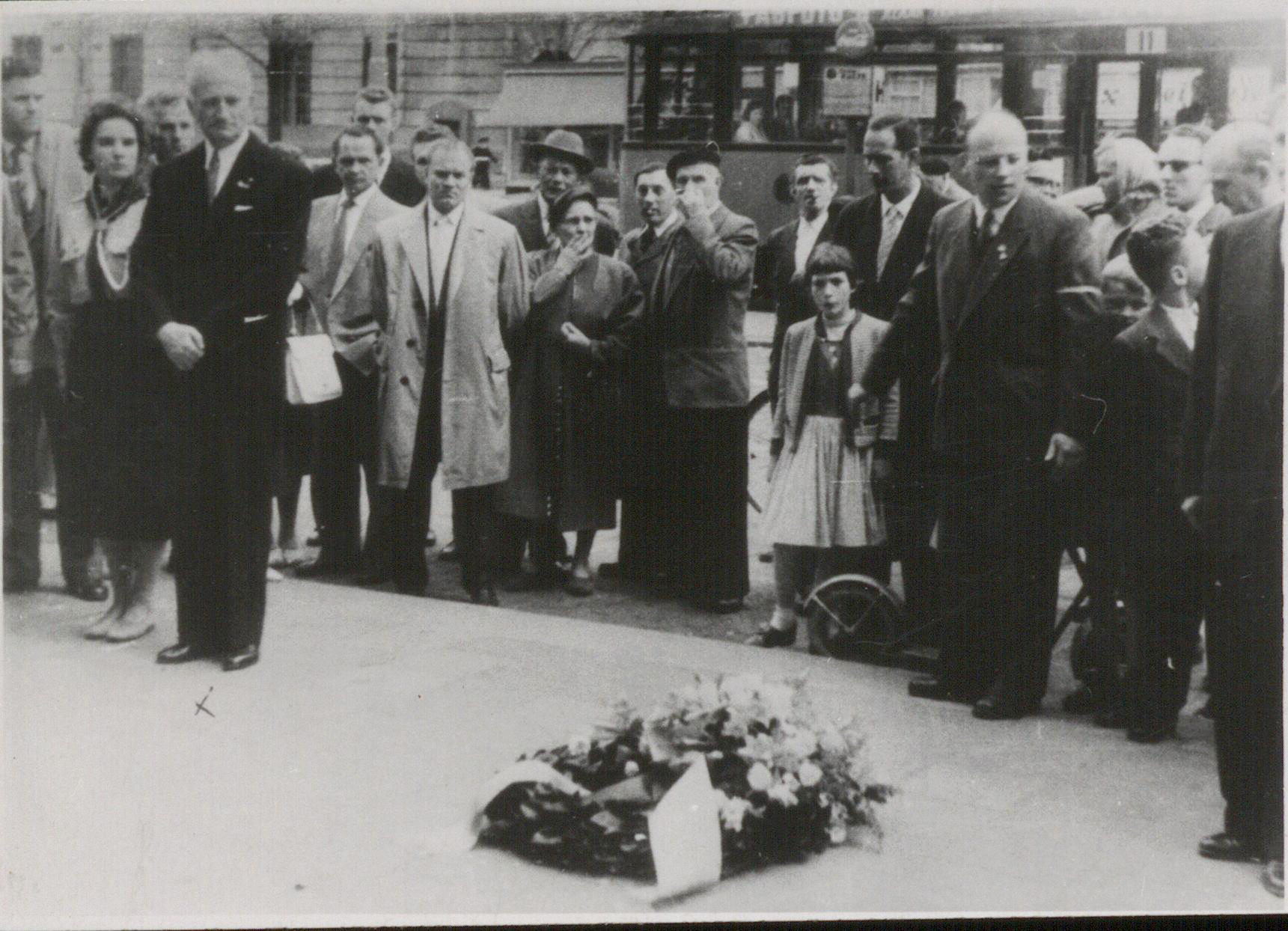
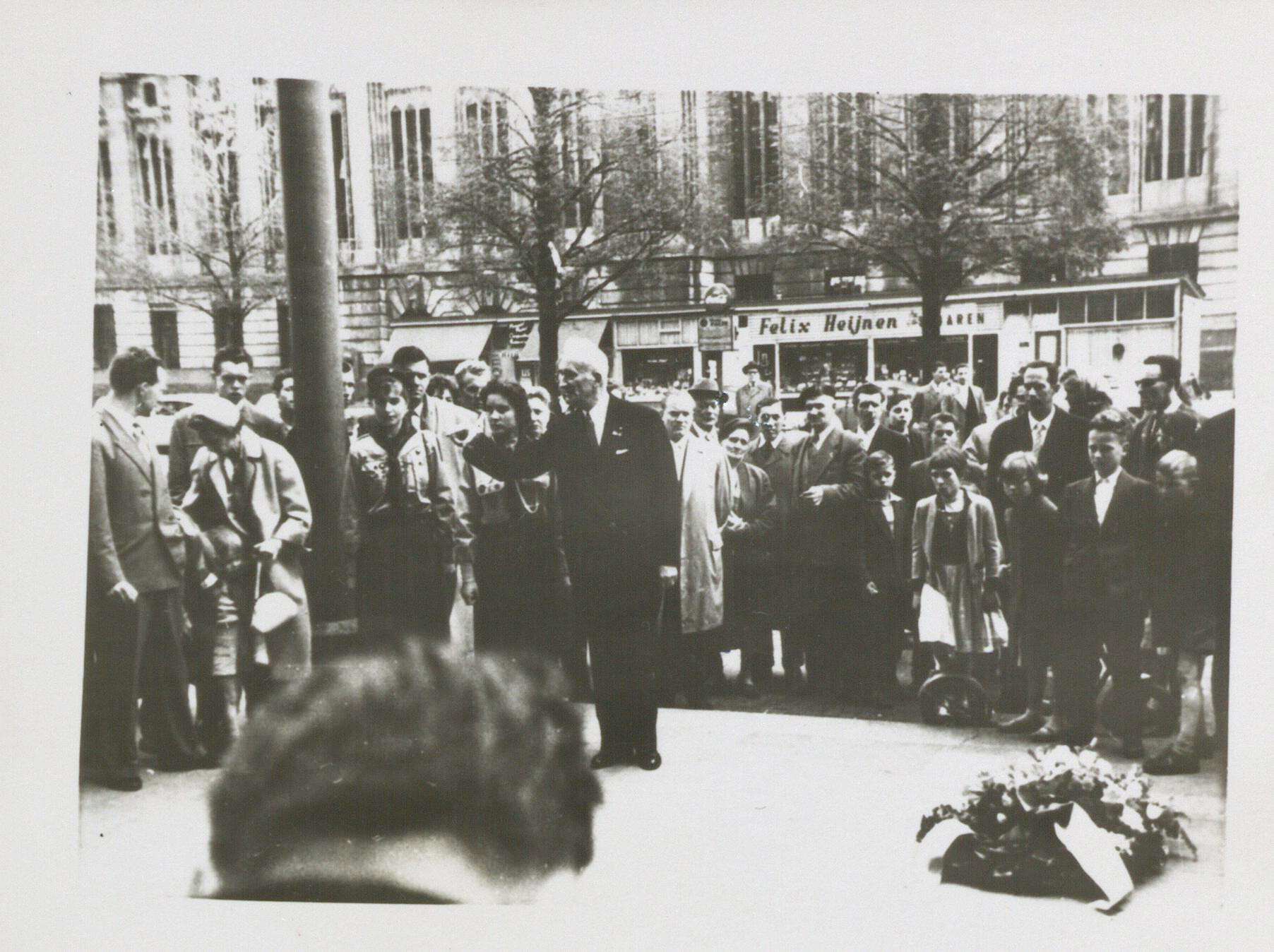
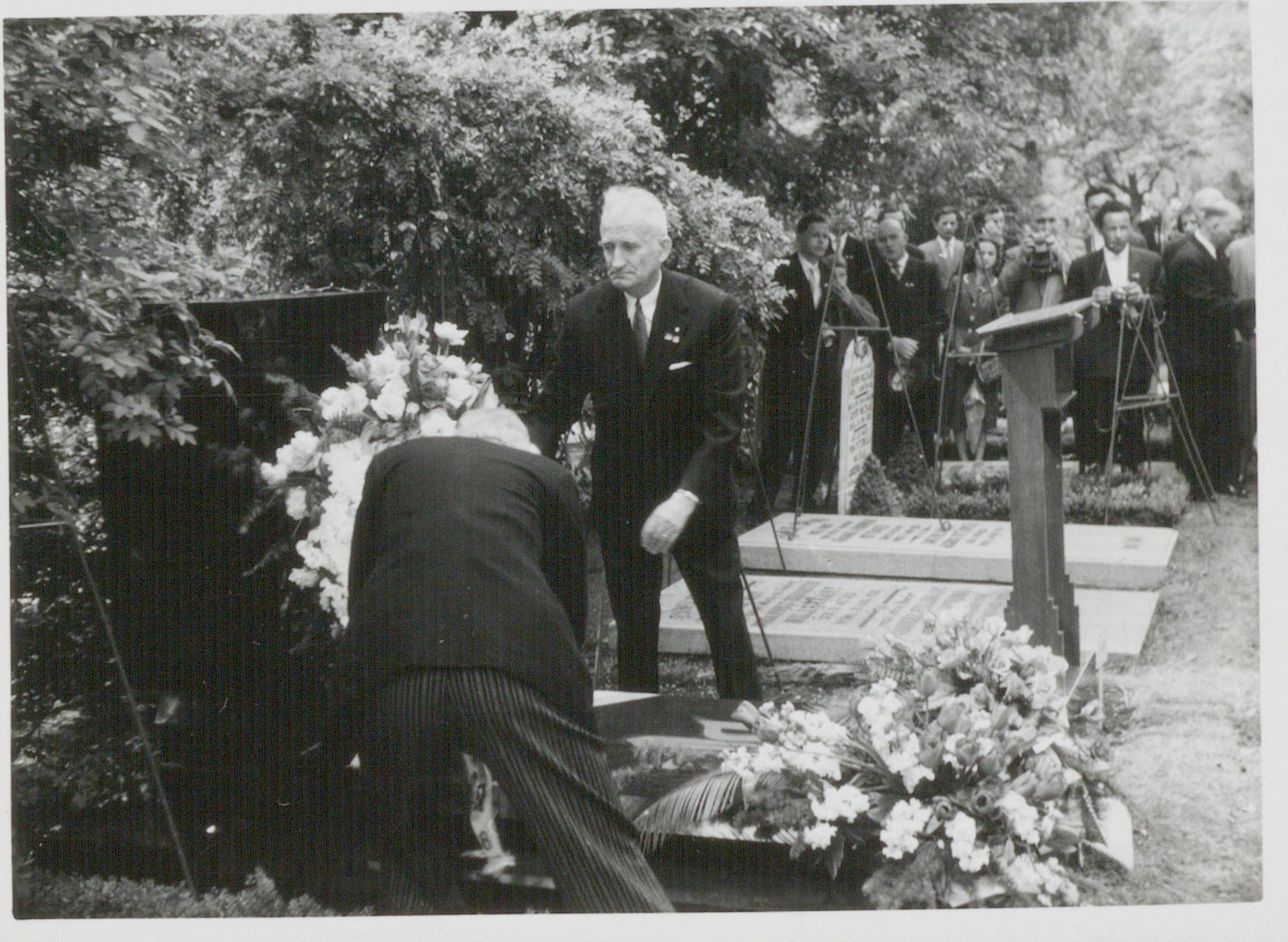
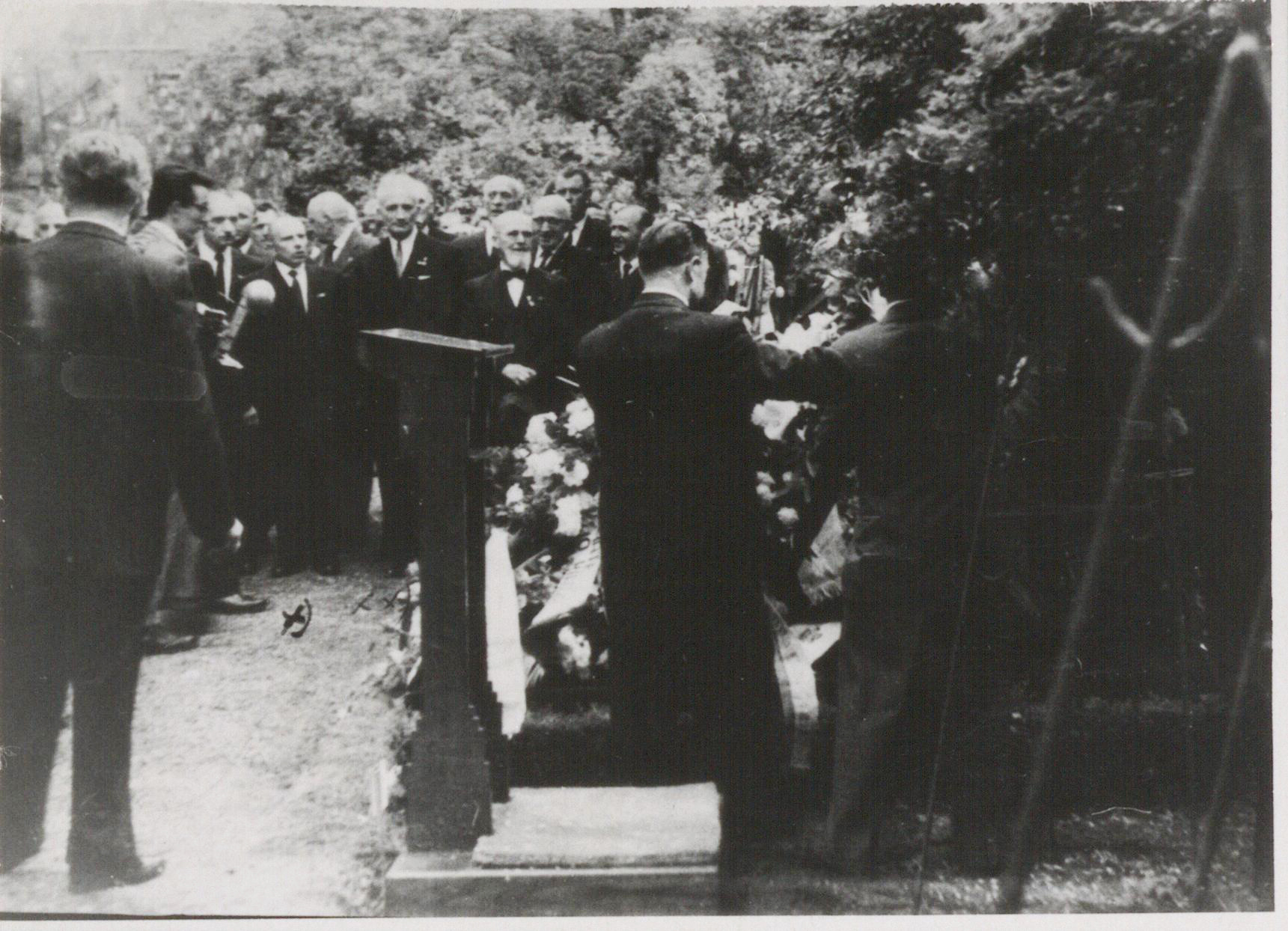
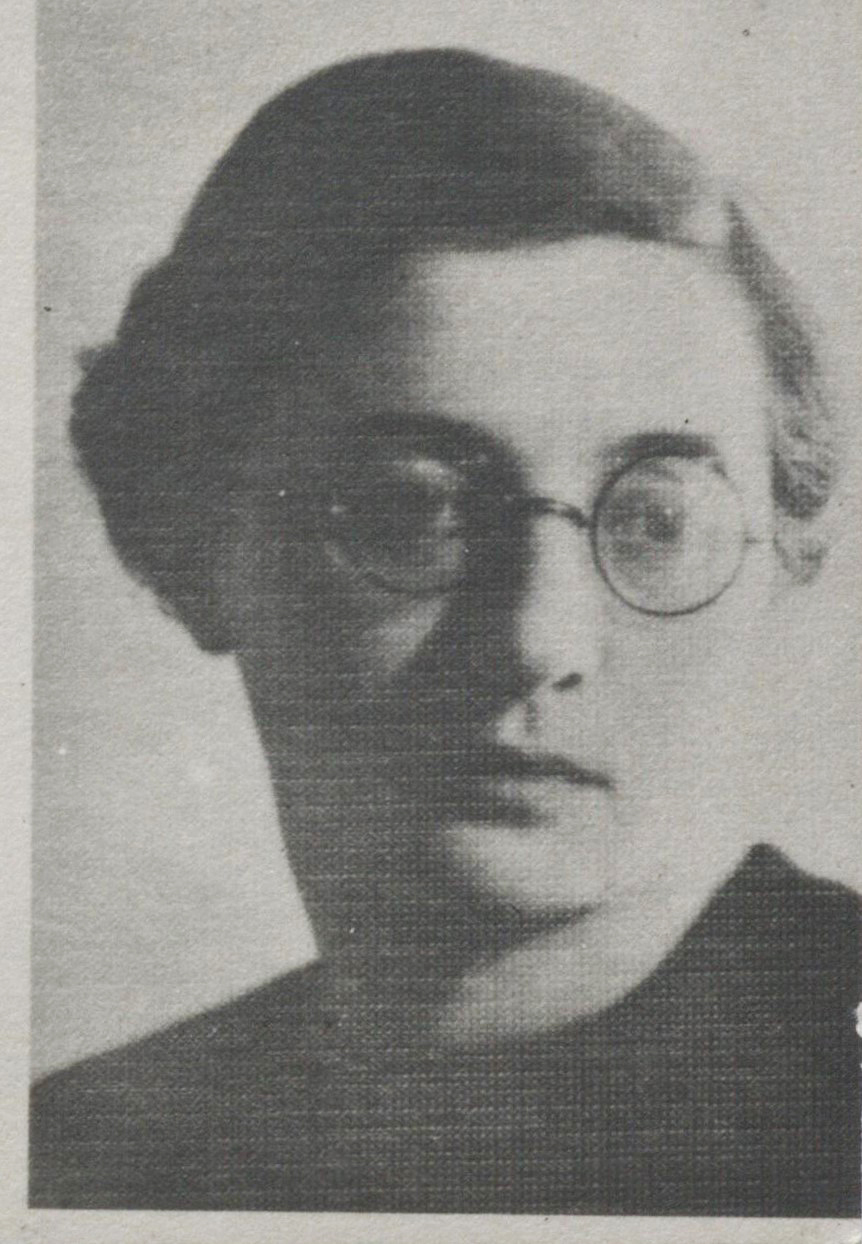
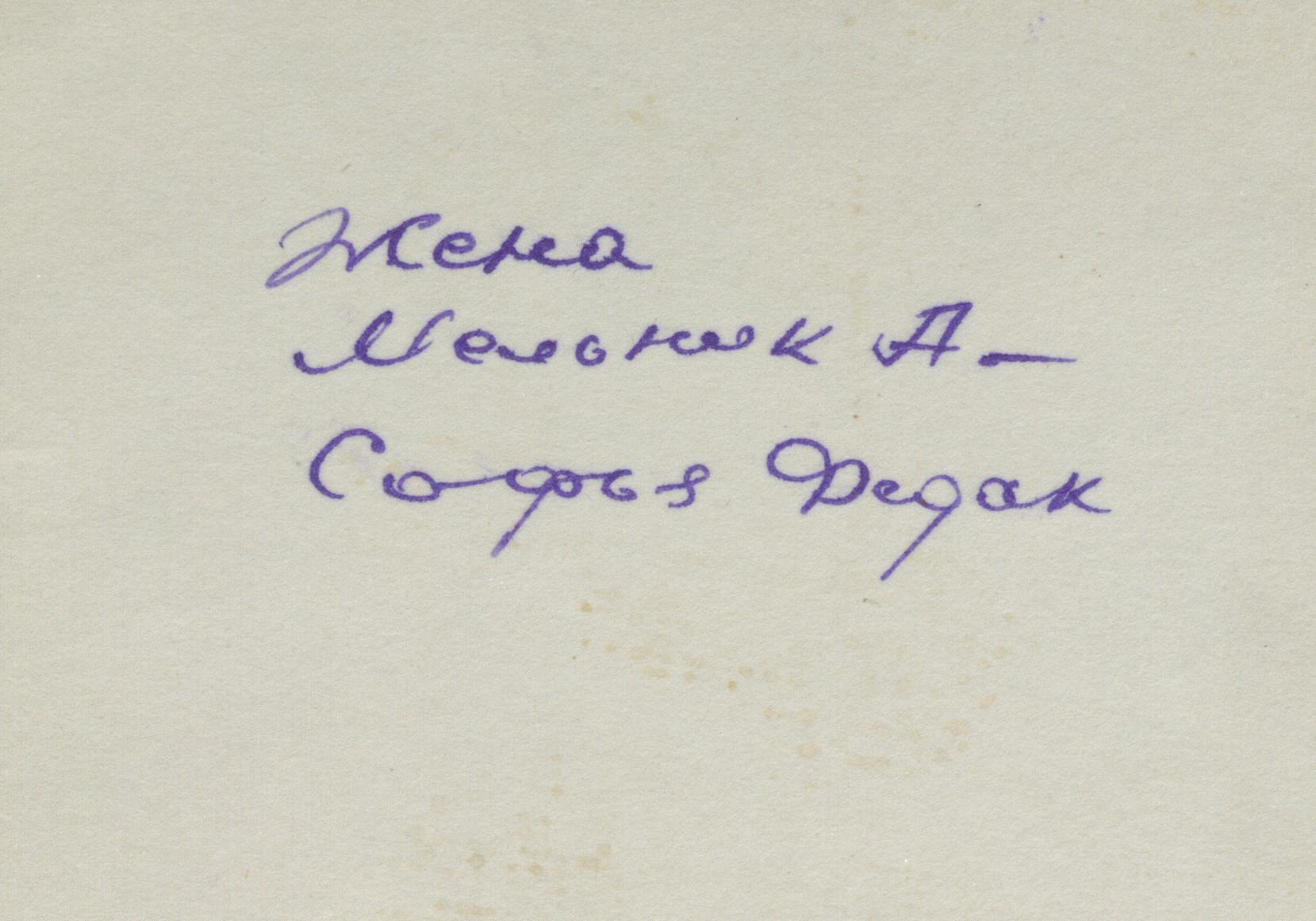
In connection with the transfer of the remains of Head of the OUN Andriy Melnyk and his wife Sofia Fedak-Melnyk from Luxembourg to Ukraine and their solemn reburial at the National Military Memorial Cemetery, the Foreign Intelligence Service of Ukraine is publishing a series of documents and photographs from the five-volume operational case against the OUN Leader on which the nkvd/kgb had been working for several decades. These materials indicate that A. Melnyk was a threat to the kremlin leadership throughout all periods of history, as he never ceased his struggle for the restoration of Ukraine’s independence under any circumstances.
Andriy Melnyk, the long-time Head of the OUN, passed away on November 1, 1964. Archival documents from the Foreign Intelligence Service of Ukraine point out that his death was immediately reported to the head of the republican kgb, Vitaliy Nikitchenko. This was accompanied by a transcript from a broadcast by Radio Liberty, which read as follows: “The Ukrainian political emigration has suffered a painful loss. On November 1, at the age of 73, Colonel Andriy Melnyk, Head of the Provid of Ukrainian Nationalists, died in the Federal Republic of Germany. Andriy Melnyk actively participated in Ukraine’s liberation struggle in 1917–1920 as a Colonel of the Sich Riflemen and as the Chief of Staff of the Active Army of the Ukrainian People’s Republic. For his nationalist convictions, he was imprisoned in the jails of Poland and in the concentration camps of Nazi Germany. One of the most prominent Ukrainian figures in exile, Colonel Andriy Melnyk, headed the Provid of Ukrainian Nationalists until the end of his life. The funeral will take place next Saturday in Luxembourg, where Andriy Melnyk lived permanently.”
A report from the foreign residentura of the kgb of the ussr stated that Ukrainian nationalists had scheduled the funeral for November 7. In connection with this, V. Nikitchenko made the following resolution: “November 7, 1964. This date was surely chosen specifically for carrying out their anti-soviet activities.” It was the day marking the anniversary of the october revolution of 1917. Therefore, it was presumably implied that the OUN deliberately intended to symbolically hold a funeral for the ussr and show contempt for the soviet holiday in this way.
In reality, everything was much more prosaic. A. Melnyk died in Cologne (Germany). His close circle discussed the question of his burial site. One option was in Rotterdam, at the same cemetery where Yevhen Konovalets was buried. However, A. Melnyk’s wish was to be buried in the cemetery in Luxembourg, where his wife’s mother, Mrs. Maria Fedak, was already buried. He had reserved a plot there in advance for himself and his wife. Consequently, resolving this matter, along with transportation and other procedures, took more time.
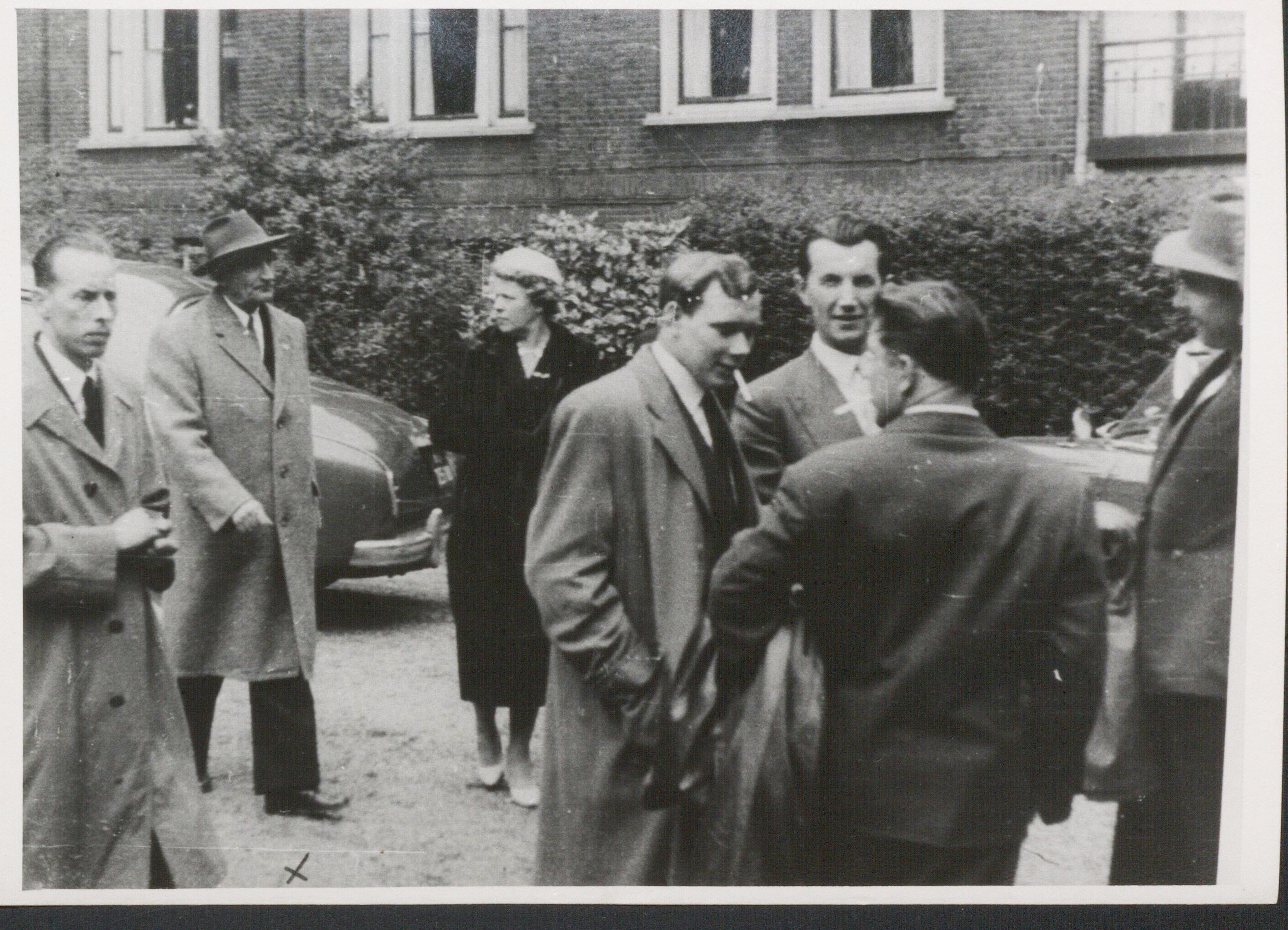
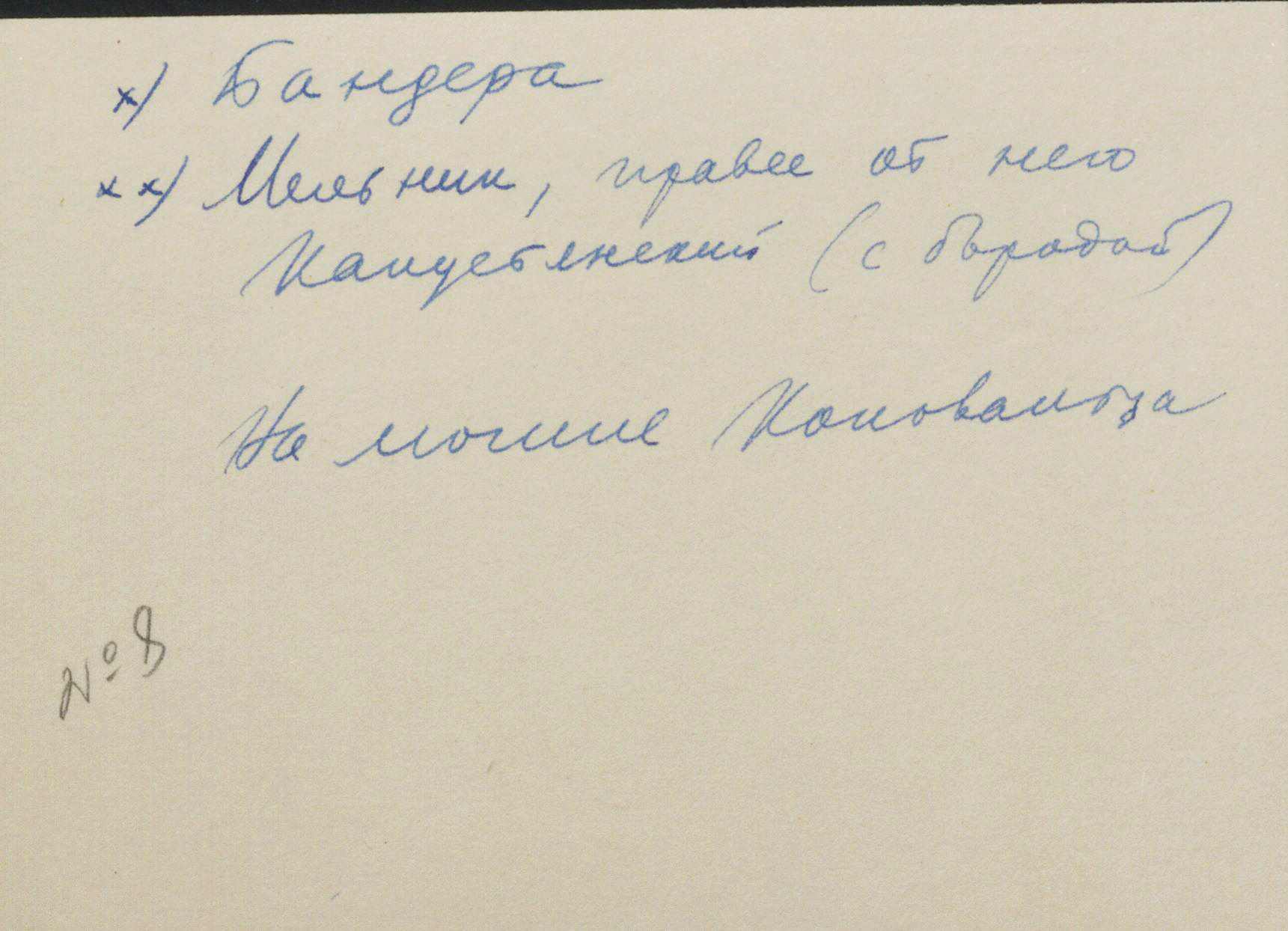
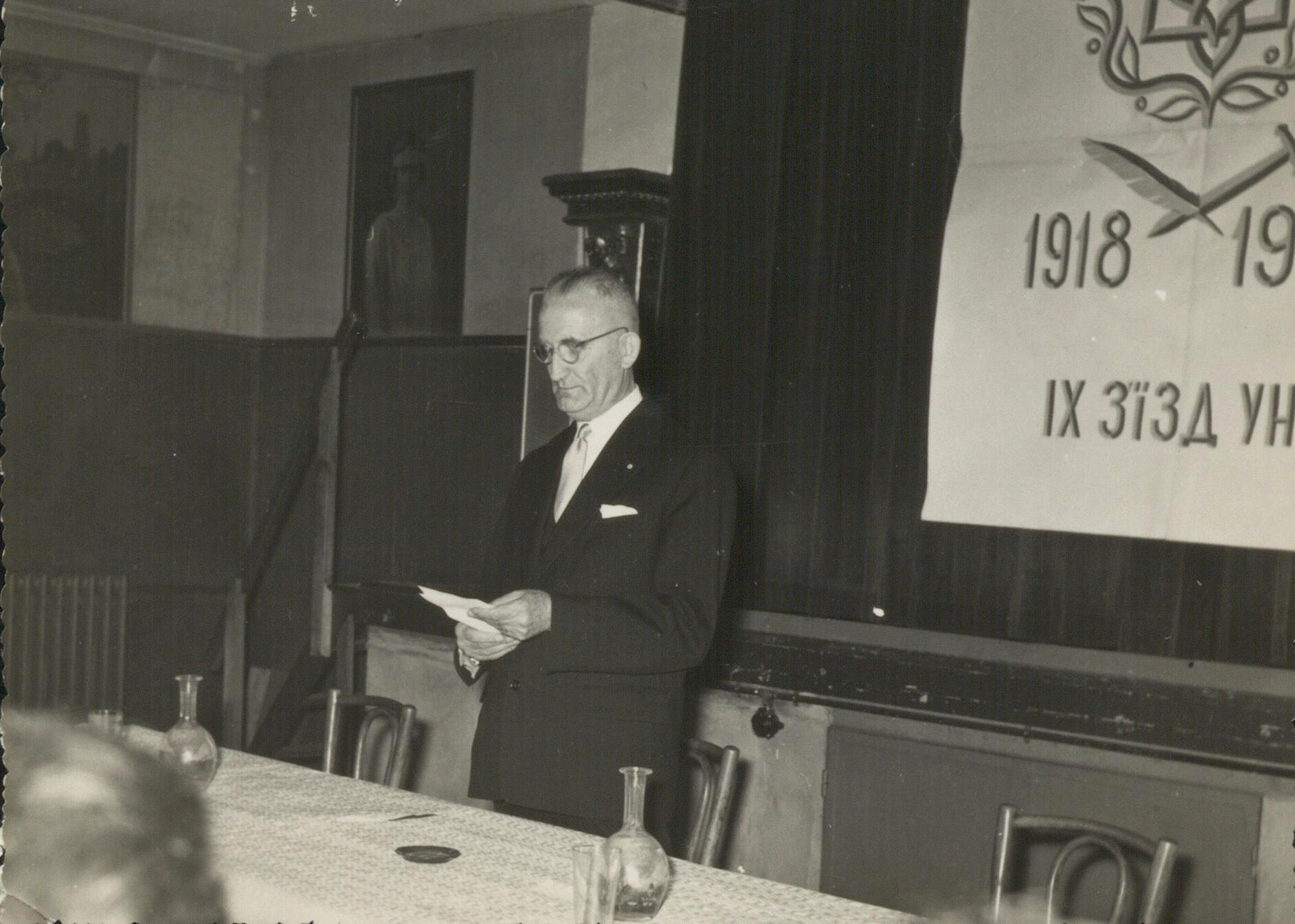
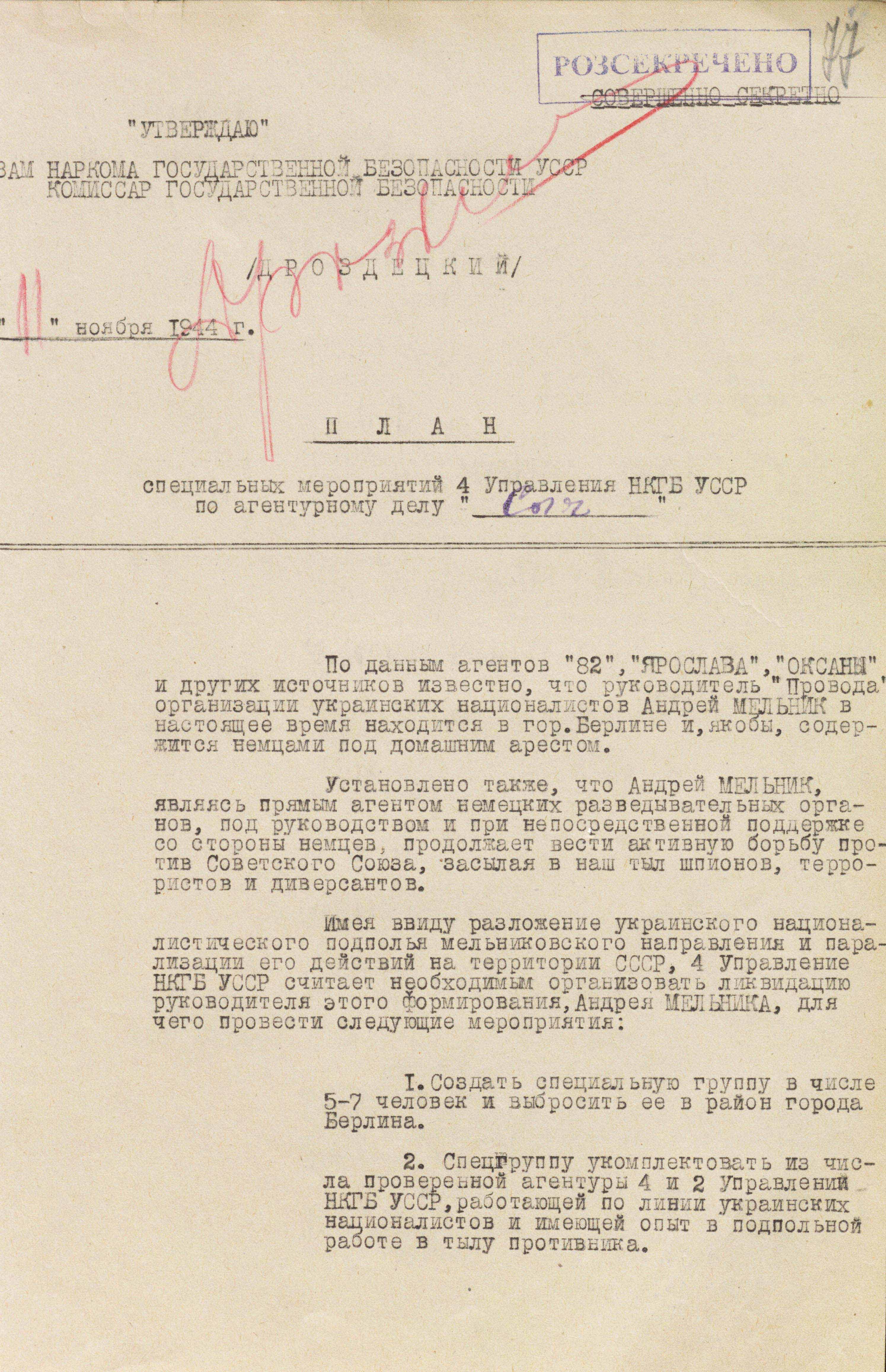
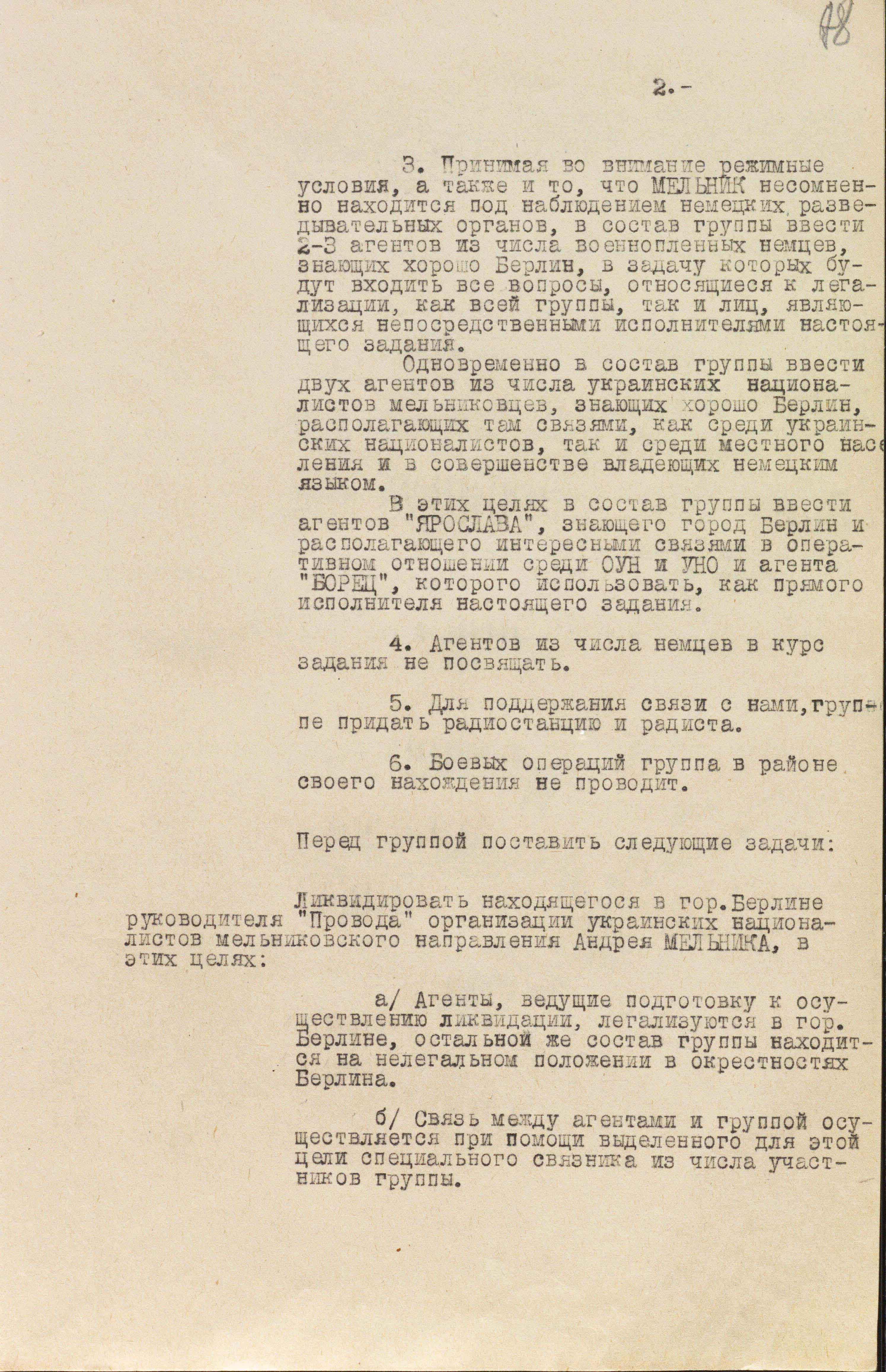
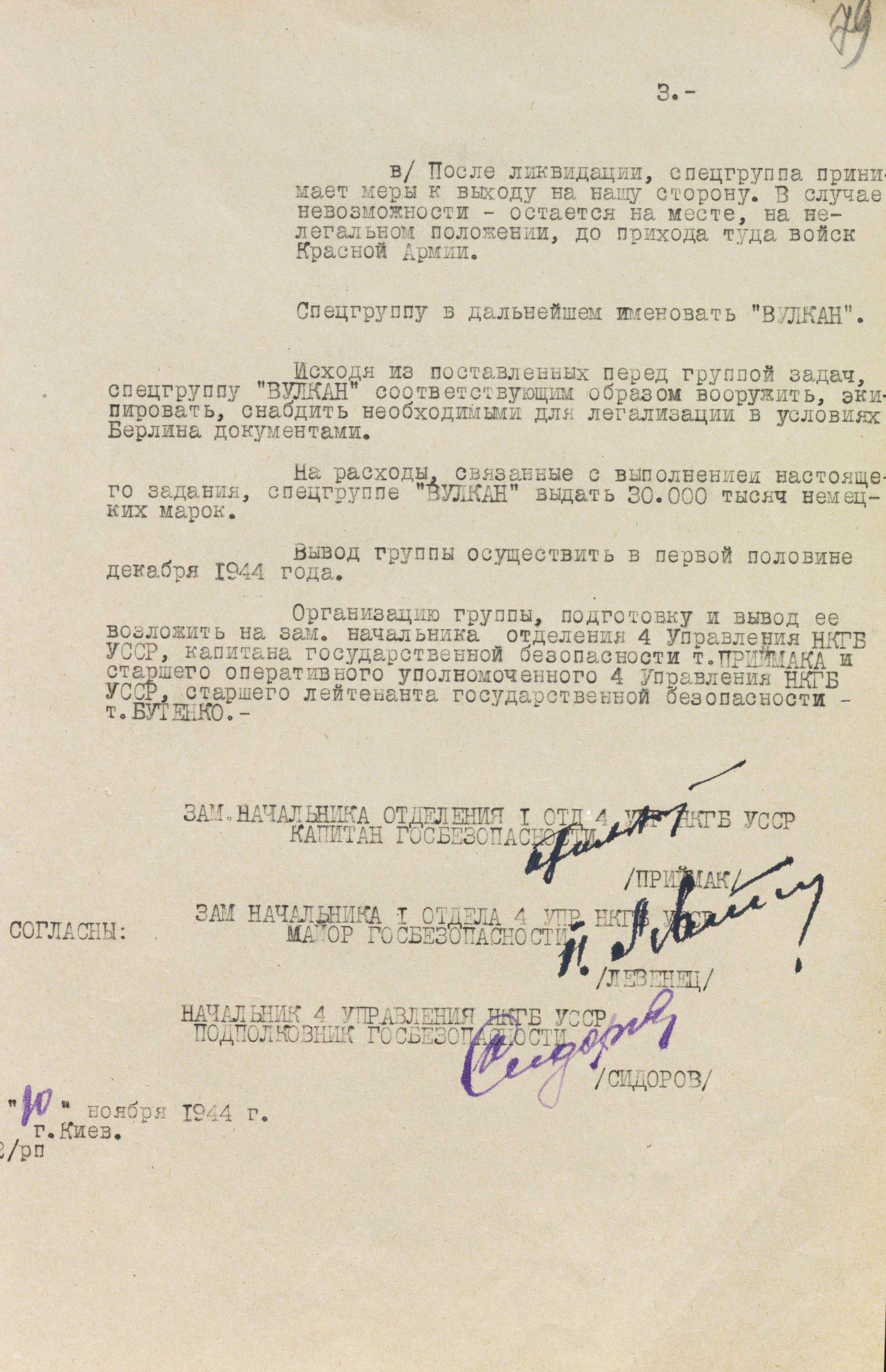
This phobia of seeing anti-soviet tendencies even where there was no hint of them was deeply ingrained in people’s minds. Even the dead Andriy Melnyk continued to haunt the kgb. Evidence of all this has been preserved in the archives of the Foreign Intelligence Service of Ukraine, as well as materials regarding his tracing, surveillance – including footage taken by agents with hidden cameras or obtained by other means – and the preparation in late 1944 of an operation to assassinate him by the 4th (Intelligence and Sabotage) Directorate of the nkvd of the Ukrainian ssr. These and other documents make it possible to supplement the history of Andriy Melnyk’s life and activities, which reflects all the drama and specificity of a bygone era and the difficult, often bloody, struggle for Ukraine’s independence.
(FISU. – F. 1. – Case 11332)