
At Least Another 5 Years of Decline: What Lies Ahead for russia’s Housing and Utilities Sector Until 2030
3/25/2026
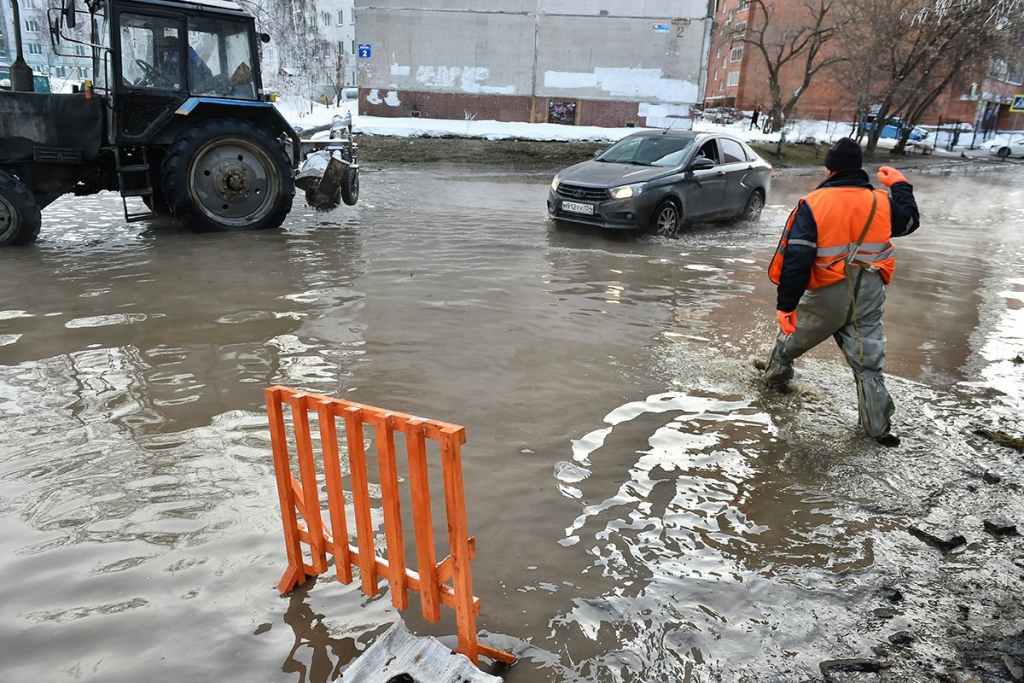
The crisis in russia’s housing and utilities sector is deepening, already manifesting itself in numerous accidents and outages of heating, water, and electricity. Despite officials’ attempts to blame the situation on weather conditions, experts point out that the main reason is critical infrastructure deterioration and chronic underfunding of the sector.
According to estimates, about 80% of the rf’s utility networks are in a state of disrepair, while the rate of their replacement remains negligible – just over 2% per year. This means that the system is effectively operating “on the brink of collapse”, and the number of accidents will only increase. Already this winter, thousands of people in different regions were left without basic services in the midst of freezing temperatures: a blackout in murmansk and severomorsk when five power line towers collapsed, a series of breaks in heating mains in omsk and samara, damage to a water pipeline and a gas leak in izhevsk, and many others.
At the same time, official modernization plans sound detached from reality. Until 2030, russia has allocated roughly half the funds needed to fully upgrade the system. This means that in the coming years, there will be no comprehensive repairs, but at most isolated emergency repairs that will only temporarily stave off a collapse.
In fact, russians should not expect any systemic changes in the housing and utilities sector until 2030. Even according to official plans, major modernization projects are only possible after that date – and even then, only if there are funds left in the budget. For now, the focus is on the sector’s survival, not its development.
Against this background, the government is pushing for higher utility rates, shifting the financial burden onto the public. However, even a sharp increase in rates does not guarantee improvements, since a significant portion of resources is spent solely on covering current expenses and losses.
While colossal sums are being directed to the war against Ukraine, russia’s housing and utilities sector has effectively been pushed to the back burner – or even further down the list – and problems have been piling up for years.
Thus, the situation is as follows: until 2030, the russian housing and utility system will continue to deteriorate, and any possible repairs will remain postponed “until later”. And even after 2030, they will be possible only on a residual basis, and only if the authorities find the resources for them.