
Austria Closing Legal Loopholes for russian Intelligence
5/9/2026
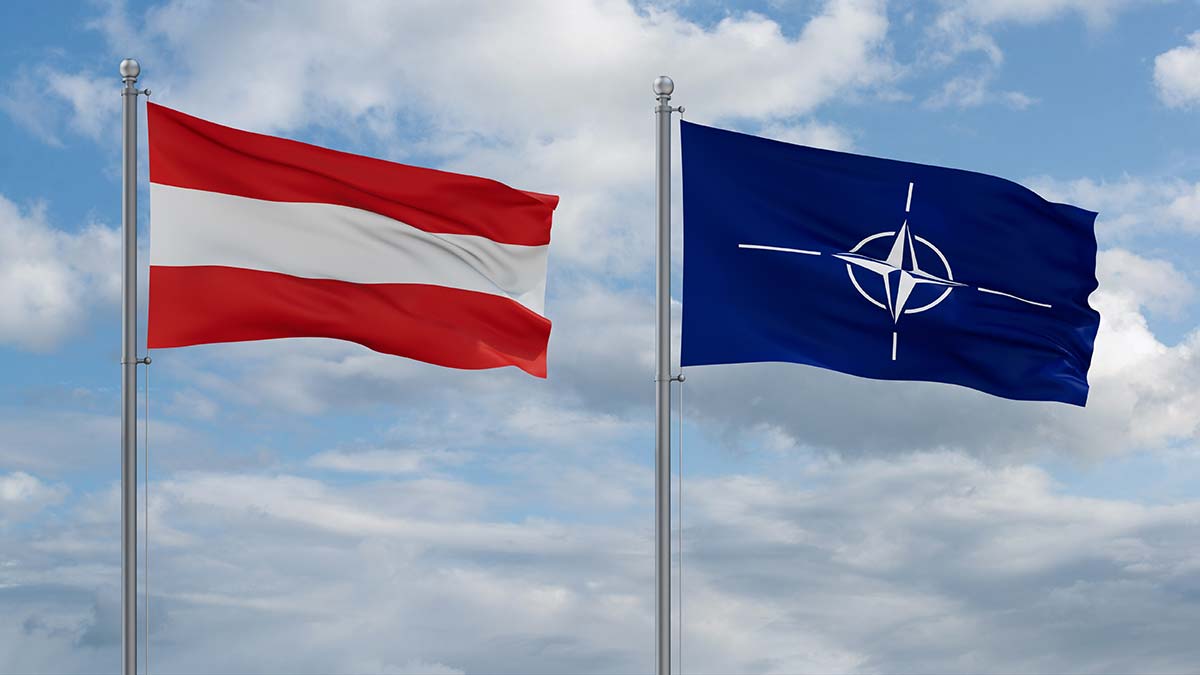
The Military Counterintelligence Service (AbwA) and the leadership of the country’s Armed Forces General Staff are speaking openly about threats from russia – espionage, influence operations, and sabotage. The aim of the public campaign is pragmatic: to speed up the passage of the “Criminal Liability for Espionage Act” (Strafrechtliches Spionagegesetz 2026). On March 9, the Ministry of Justice submitted the draft law for approval to its coalition partners – the Social Democratic Party (SPÖ), the Austrian People’s Party (ÖVP), and the NEOS party.
According to Chief of the Austrian General Staff, General R. Striedinger, a significant portion of the staff at foreign embassies, particularly at the russian embassy, has an intelligence background and effectively operates without risk of criminal prosecution. The problem is exacerbated by the fact that the Austrian army uses NATO-compatible approaches in military planning, logistics, communications, cyber defense, and troop management, and is therefore an attractive target for those who want to know how the Alliance operates from the inside.
AbwA Director R. Ruckenstuhl specified the threat. According to him, russian intelligence services have long gone beyond the bounds of traditional espionage. Their arsenal includes unauthorized drone flights over military facilities, surveillance of infrastructure, electronic intelligence collecting from diplomatic buildings, as well as the recruitment of civilians and so-called “one-time agents” for provocations and sabotage against critical infrastructure.
Statements by the Austrian military leadership reflect changes in Vienna’s approach to security policy. Austria is moving toward EU and NATO standards in the areas of intelligence sharing, cybersecurity, and military interoperability. For moscow, this means that the window of opportunity in the heart of Europe is closing.