
belarus Is Increasing Its Energy Dependence on russia
1/7/2026
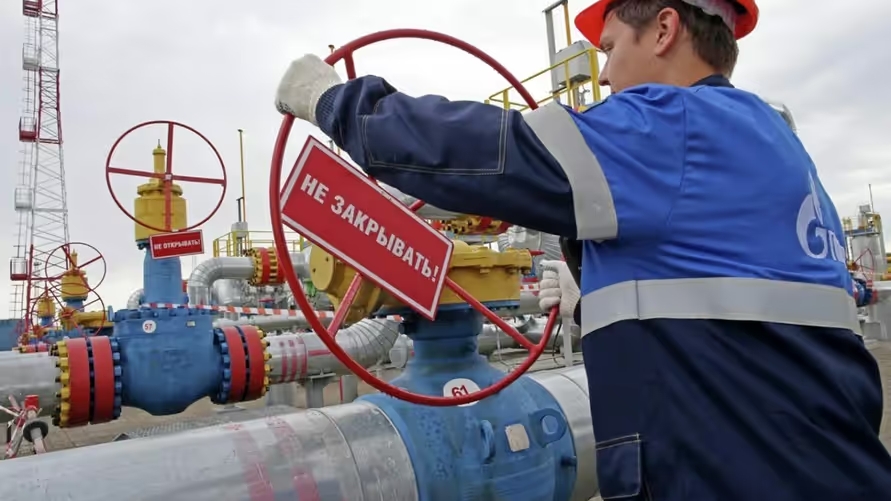
At the beginning of 2026, energy uncertainty intensified in belarus: despite statements about the readiness of a new gas contract with russia, the agreement was never signed, while the previous one expired on December 31, 2025. Throughout last year, minsk insisted on bringing prices closer to russia’s domestic tariffs, payment in russian rubles, and conclusion of a long-term agreement until 2030. However, even approximate price parameters were never announced, which only adds to the atmosphere of uncertainty and dependence.
Against this background, experts from the “Green belarus” alliance have published the results of a large-scale study demonstrating the critical vulnerability of the belarusian energy system.
About 60% of the country’s electricity is produced from gas, and the cost of electricity is almost entirely dependent on gas prices. Given that natural gas and oil come almost exclusively from russia, belarus finds itself in a situation of absolute import dependence – without its own resources and with a technological dependence on russian infrastructure.
This model creates ideal conditions for blackmail. The most dangerous risks are the cessation or restriction of gas and oil supplies – a scenario that could cause a large-scale economic and social catastrophe. Alternative supplies via the EU are technically possible, but the price of such “independence” would be enormous: switching to European spot prices would mean billions in additional costs each year.
The internal situation is no less explosive. belarus’ centralized heating system is based on total subsidization: the population pays only about 20% of the real cost of heating. If budget support is reduced, the country could face either the bankruptcy of utility companies or a sharp (4-5 times) increase in tariffs, with obvious social consequences and the risk of mass protests.
belarus’ energy security is more of an illusion than a reality. The state has fallen into the trap of its own strategic short-sightedness, where “cheap resources” were exchanged for political compliance. Without radical decisions to reduce its dependence on russia, the country risks facing any geopolitical storm in darkness and cold, remaining hostage to its weakness and lack of real energy autonomy.