
Budget Collapse: russia’s Deficit Surpassing Its Annual Target in Two Months
4/12/2026
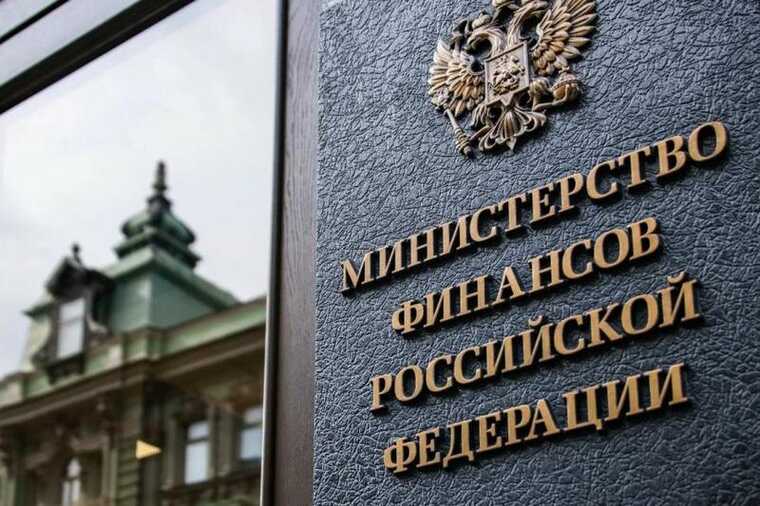
russia’s federal budget for January–February 2026 recorded a deficit of $69.9 billion, nearly double the ministry of finance’s previous estimate of $43.3 billion. In the first two months of the year, the cash shortfall already exceeded the entire annual target of $50.5 billion, indicating a complete loss of control over the fiscal trajectory.
The situation is complicated by an unprecedented discrepancy between the reporting of the federal treasury and the ministry of finance. The treasury recorded revenues of $31.36 billion, compared to $59.79 billion in the ministry of finances’ reports – a nearly twofold difference that goes beyond any technical errors. At this, expenditures virtually agree: $101.47 billion versus $103.10 billion, respectively.
Western economists interpret this discrepancy as evidence of systemic uncertainty in budget accounting and a likely overestimation of revenues in the ministry of finance’s forecasts. The slight deviation in expenditures only confirms that the kremlin has no intention of cutting spending, even in the face of a catastrophic drop in revenues.
The main factor behind the failure is the collapse of oil and gas revenues, which fell to $18.1 billion in the first quarter of 2026 – a 45.5% year-over-year decline. This is the worst result since 2022. At the same time, expenditures remain bloated due to massive allocations for security and defense, creating a structural imbalance that cannot be closed without a radical reevaluation of priorities.
russian think tanks, including the pro-kremlin center for macroeconomic analysis and short-term forecasting, predict that the annual deficit will be two to three times higher than official projections, especially if energy revenues remain at current levels while expenditures continue to rise.
The current situation demonstrates a breakdown in institutional coordination of the budget process, with agencies submitting conflicting data. The deficit will have to be covered by balances in treasury accounts and privatization proceeds – sources that do not ensure long-term sustainability.
If these trends persist, the kremlin will face the depletion of reserves and a choice between unpopular spending cuts and the search for new sources of funding. Even if energy prices recover, revenue growth potential will be constrained by weak investment activity, structural imbalances in industry, and logistical failures.