
China Has Recorded a Historic Low in Birth Rates and a Record Decline in Population
3/20/2026
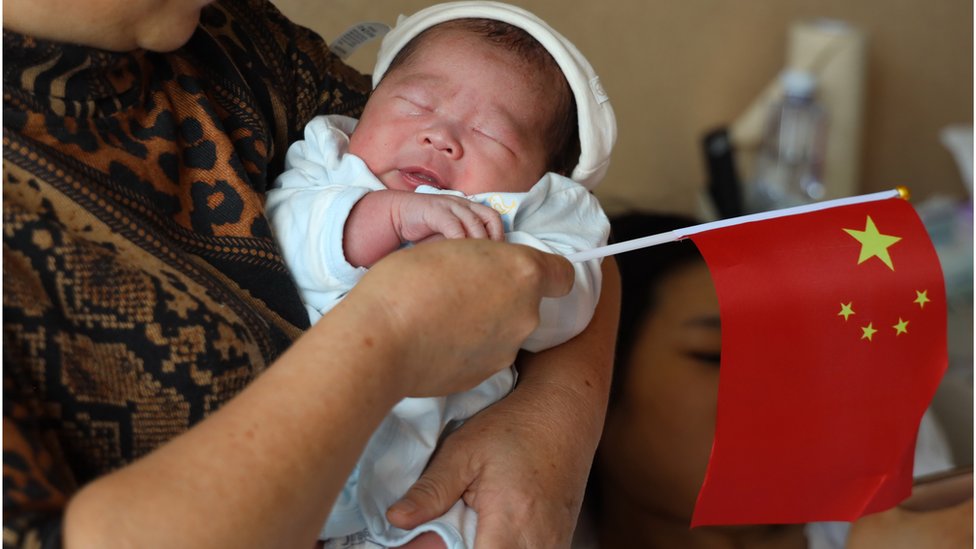
In 2025, China faced an unprecedented demographic decline. According to official data, only 7.9 million children were born in the country that year – nearly half the number recorded in 2019. At the same time, the death toll rose to 11.3 million, resulting in a natural population decline of 3.4 million.
China’s total population has fallen to 1.405 billion. Thus, the decline has continued for the fourth consecutive year, causing serious concern among authorities.
The total fertility rate has fallen below the critical threshold of 1.0, while the replacement level required to maintain the population is 2.1. This means that each new generation is smaller in number than the previous one, creating long-term risks for the country’s economy and pension system.
An additional factor contributing to the crisis has been a sharp decline in the number of marriages. In 2025, only about 6 million marriages were registered, whereas in 2018 this figure exceeded 10 million.
The country’s labor force is also shrinking: the population aged 16–59 has decreased by 6.6 million and now stands at 851 million people. This could negatively impact China’s economic growth rates in the coming decades.
Experts attribute the demographic decline to a combination of factors: the high cost of housing, education, and healthcare; shifting life priorities among young people; and the growing proportion of women who choose careers and education over starting a family.
If this trend continues, China may face rapid aging of its population and a labor shortage, which will have significant economic consequences.