
Down by a Third: russia’s Small Businesses on the Brink of Mass Closures
5/23/2026
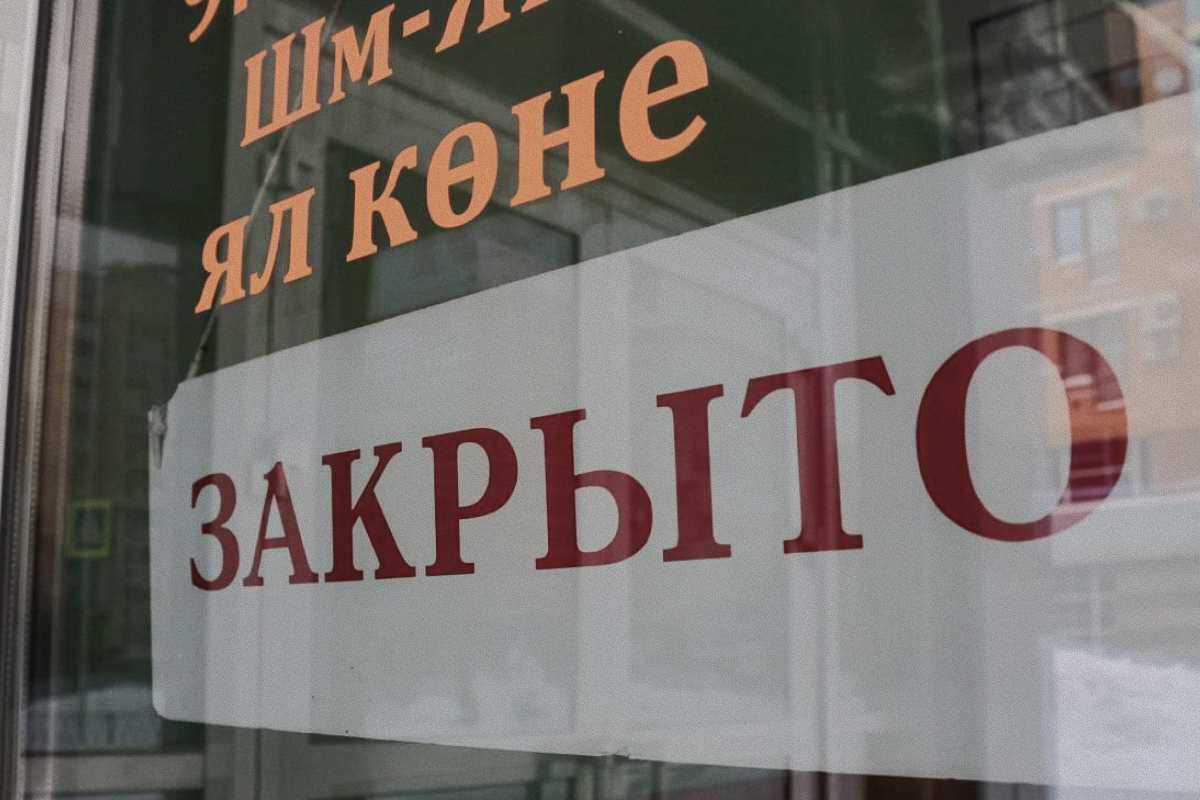
War against Ukraine have forced russia’s private sector into survival mode. In the first quarter of 2026, the number of new companies fell by 26.8% year-on-year. Every fifth entrepreneur estimates the chances of survival at 30% or lower; in the near future, one in three SMEs will close.
The pressure is coming from several sides at once. In the spring, buyers’ and customers’ debt to businesses exceeded 8 trillion rubles for the first time – a sign of the economy’s overall financial exhaustion. In parallel, loans at 25–30% per annum, with the average profitability of small businesses at 10–15%, make any investment a suicide. It is more profitable to put money in a deposit account than to invest in one’s own business.
This has hit the agricultural sector especially hard. The profitability of agriculture fell from 23% before the full-scale war to 15% in 2025. That same year, the sector produced goods worth 10.63 trillion rubles – and suffered record losses of over 100 billion. Every year, 6,000–7,000 farms leave the market.
Tax reform dealt an additional blow. The new VAT threshold of 15 million rubles in turnover and the narrowing of the patent system from 60 to 20 million rubles per year effectively deprive the average entrepreneur of any legal room for growth. The reaction is predictable: businesses go into shadow, fragment, and go into hiding. According to tax authorities, the number of new companies in 2025 has dropped by 20%, and 75% of SMEs lack the profits needed for development.
The labor shortage only exacerbates the situation. Mobilization, emigration, and stricter migration laws have left entire regions without a workforce. In border regions, the situation is critical: over 80,000 working-age people have left belgorod region alone.
Entrepreneurs understand clearly: state corporations, banks, and defense ministry contractors have profited from the war. Everyone else has faced rising costs, falling demand, and a state that is simultaneously a regulator, a debtor, and a force threat. Small businesses have been assigned a single role in this system: to provide employment. Making a profit is not on the agenda.