
Emergency Housing As a Business: russia’s Authorities Monetize Resettlement
2/13/2026
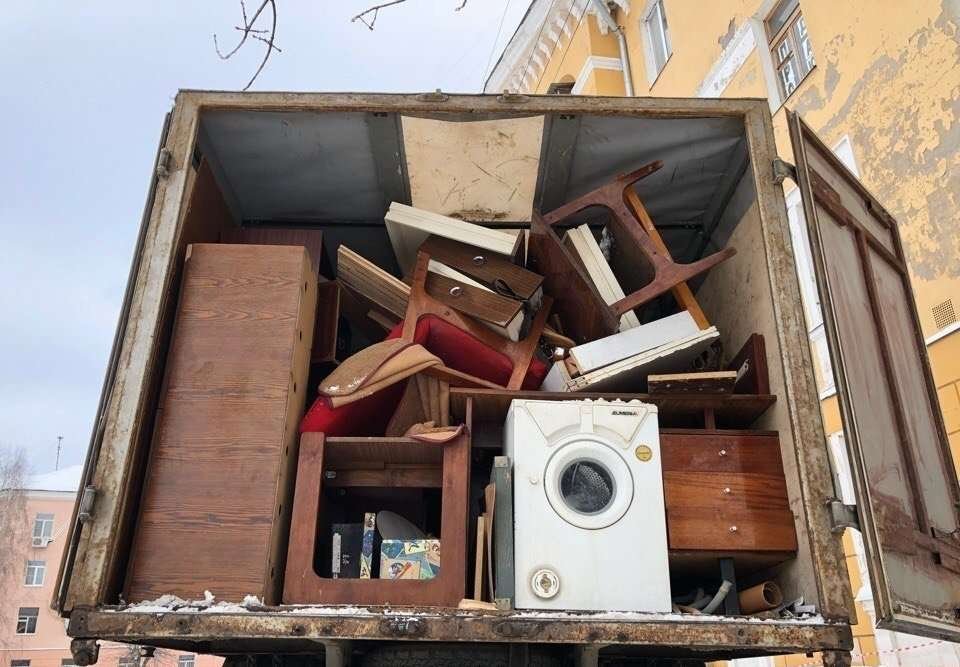
russian authorities are preparing a new large-scale scam against their citizens: houses in good condition on attractive land will be declared unsafe, residents will be forced to move to densely built-up areas on the outskirts, while the vacated plots will be transferred to loyal developers. In addition, people will be billed for “improved conditions” for which they did not ask.
It is for this scheme that the ministry of construction of the rf is preparing a draft law on additional payments for relocation from dilapidated housing. The document is planned to be submitted to the state duma for consideration. It provides for amendments to the Housing Code of the rf and establishes a rule: if the new apartment is more expensive than the old dilapidated one, the difference is paid by the owner.
The key element is the valuation method. The draft law stipulates that compensation for emergency housing cannot be less than 50% of the average market value per square meter, as determined by the ministry of construction. It is this “average” that creates a deficit that is passed on to citizens.
In large cities, the gap between official and real prices is critical. In st. petersburg, the ministry of construction has set an average cost of 165,300 rubles per square meter, while the real price of sought-after housing is about 285,000 rubles. In vladivostok, the official figure is 177,600 rubles per square meter, while the market price ranges from 196,000 rubles for secondary housing to 271,000 rubles for new buildings.
With these calculations, additional payments become inevitable. People who have been waiting for resettlement for decades since soviet times are being offered to “buy” square meters at market prices. For most owners of dilapidated housing, this is unaffordable.
As of 2024, more than 1.3 million people live in dilapidated buildings and are looking forward to resettlement. The total area of dilapidated housing stock is 23.1 million square meters. The real scale is even greater, as not all residents can pay for technical expertise of buildings at their own expense.
As a result, the state not only absolves itself of responsibility for resettlement, but turns relocation into a source of income: developers receive the land, the budget saves money, while the bill is sent to those who have lived in dilapidated conditions for years.