
Finances of the rf Started the Year 2026 with a Budget Failure
2/9/2026
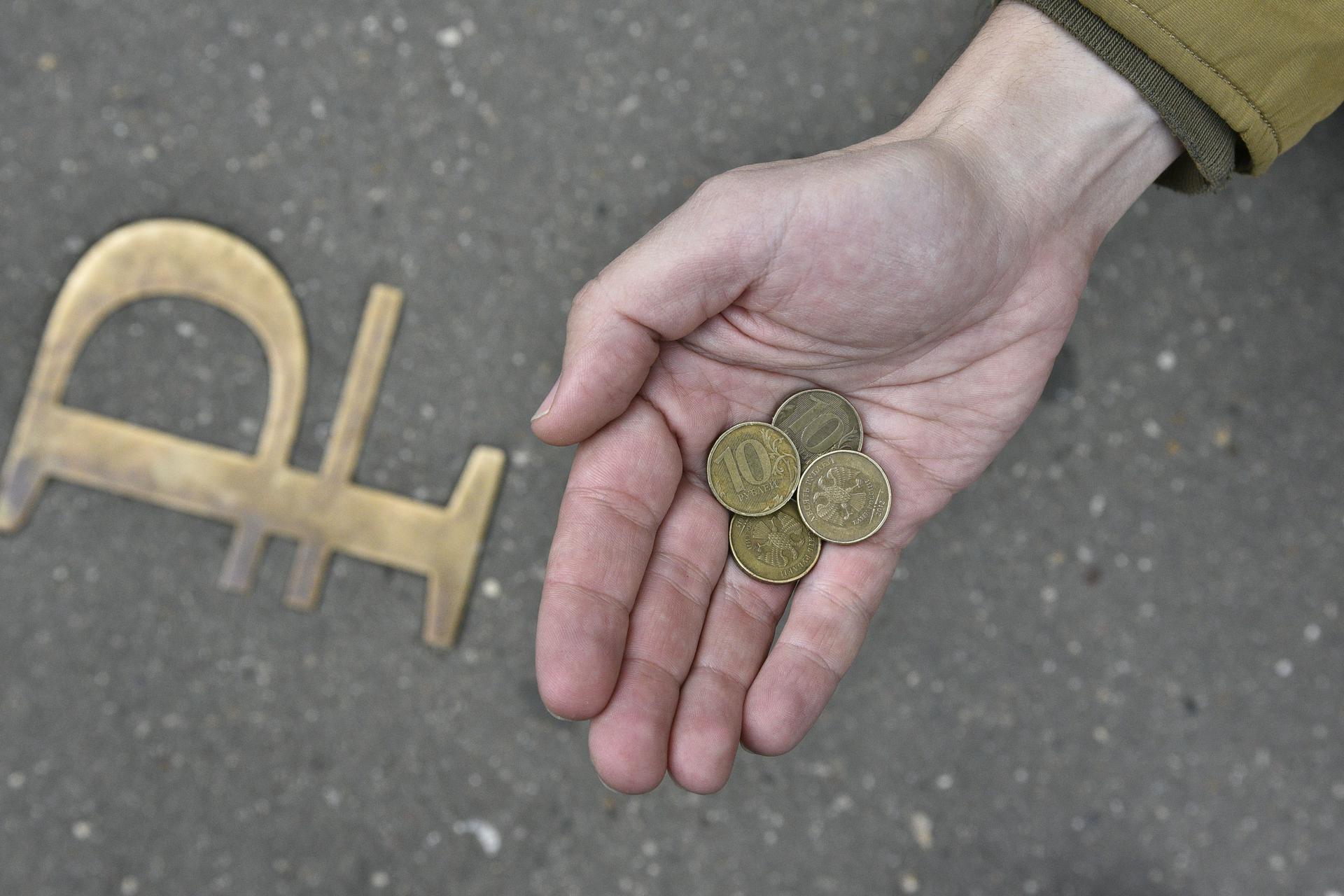
The federal budget of the rf entered the year 2026 with a sharp deterioration in performance. The deficit in January reached $22 billion, which is by $3.27 billion more than in January 2025. These figures cast doubt on the realism of the government’s budget plans.
In December 2025, the ministry of finance of the rf announced its intention to reduce the budget deficit in 2026 from $74 billion to $49 billion. Current dynamics indicates the opposite: the actual deficit may grow to $130 billion, which means a complete disconnect between official statements and the real state of finances.
In January 2026, federal budget expenditures amounted to $53 billion, while revenues fell to $31 billion, corresponding to an 11.6% decline year-on-year. The revenue structure only underscores the weakness of the budget base.
The key negative factor remains the collapse of oil and gas revenues, which fell to $5.1 billion, or by 50% year-on-year. The reasons are obvious: the fall in world oil prices and the increase in the discount on russian Urals crude oil. These factors are hitting the budget the hardest and there is no quick solution.
An additional constraint is the deterioration of the currency liquidity situation. According to the central bank of the rf, in December 2025, net sales of foreign currency by the 29 largest exporters amounted to only $4.7 billion, the lowest since November 2022. This limits the budget’s ability to cover gaps even in the short term.
If the current dynamics of revenues and expenditures continues in 2026–2027, the kremlin will be forced to resort to extraordinary financial measures to finance the war against Ukraine. These include emission financing, tax increases, the sale of state assets, and tighter state control over businesses, including the forced nationalization of some companies.
Low oil revenues and limited alternative sources of income effectively deprive the rf of the ability to finance its expenditures without harsh administrative decisions. The decline in foreign exchange earnings will push russia toward non-market methods of covering the deficit –ruble issuance and withdrawal of funds from the private sector – which will inevitably increase inflationary pressure and worsen the state of the real economy.