
From War to Censorship: The Main Legacy of the state duma of the Eighth Convocation
8/4/2026
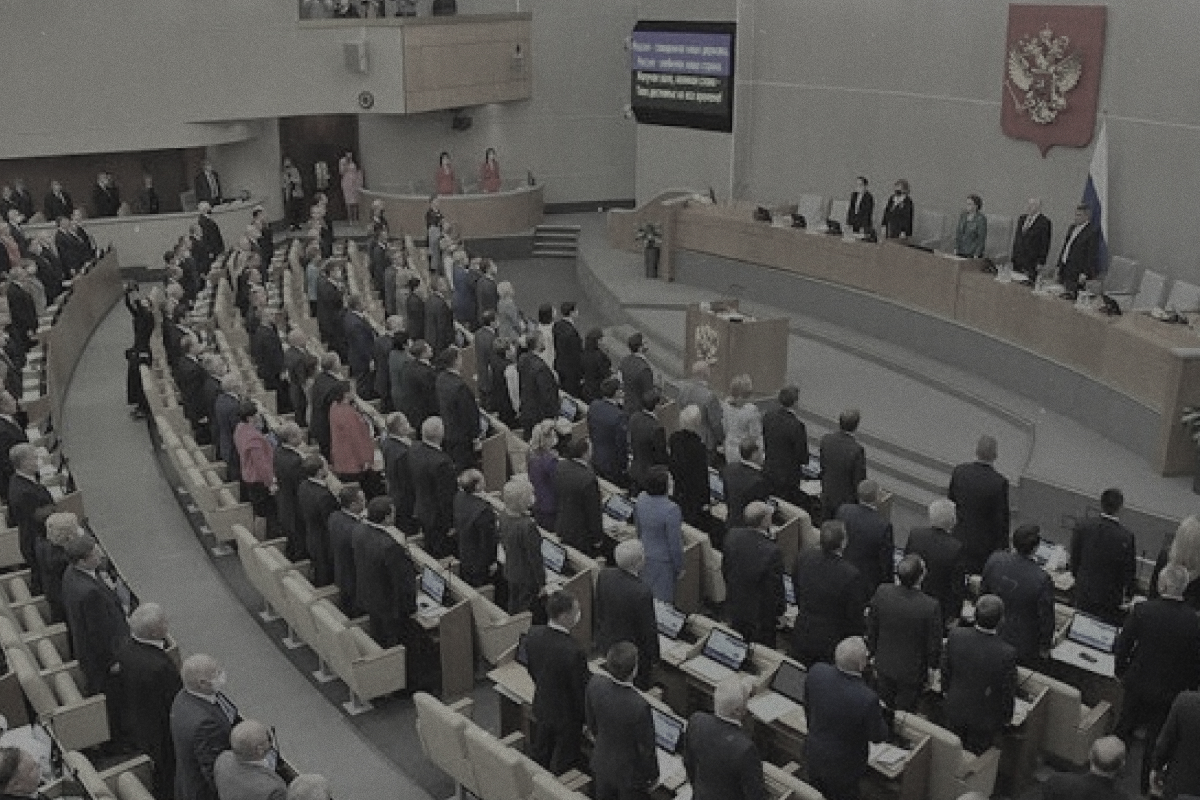
russia’s current state duma of the eighth convocation will conclude its work on September 18–20. Following the next round of sham elections, it will be replaced by a new composition, which the kremlin promises will be nearly half new. However, this is unlikely to change the parliament’s role. Over the past five years, it has definitively become a tool for rubber-stamping decisions made in the kremlin.
The current convocation began its work in October 2021. During this time, deputies have passed nearly two thousand laws. The state duma itself claims that more than half of them were aimed at “protecting the people”. But this parliament’s key decisions concerned the war, tightening control over society, and restructuring the economy to meet wartime needs.
In February 2022, it was this very state duma that unanimously ratified the “friendship and cooperation” treaties with the “dpr” and “lpr”. That was one of the political and legal steps that paved the way for a full-scale invasion of Ukraine. After that, members of the state duma unquestioningly supported all of the kremlin’s legislative initiatives related to the war, the sanctions standoff, and the mobilization of resources.
In 2024, parliament approved the largest tax increase in many years. Officially, this was explained by the need to balance the budget. In reality, the state obtained additional revenue to finance the war. Already today, these decisions are putting pressure on businesses, reducing household incomes, and exacerbating the problems of the russian economy.
Lawmakers were just as active in tightening control within the country. Over the course of five years, they expanded legislation on “foreign agents”, intensified censorship and criminal prosecution for speech, imposed new restrictions on russians who had left the country, and passed dozens of other laws that eroded political and personal freedoms.
It is telling that even the lack of public support did not influence the parliament’s decisions. For example, most russians did not believe that fines for promoting “child-free” lifestyles would help increase the birth rate. The law was passed nonetheless.
Summing up the work of the eighth convocation, speaker of the state duma vyacheslav volodin stated that all laws were passed “at the request of citizens”. It is precisely this statement that best characterizes the current russian parliament. Over the past five years, it has not served as a forum for debate or as a representative of society’s interests. Its main function has been to seamlessly transform the kremlin’s decisions into laws – from the start of full-scale war to the restriction of citizens’ rights and the restructuring of the economy to meet military needs.