
In Mali, russia Has Once Again Proven Itself to Be an Unreliable Partner
5/3/2026
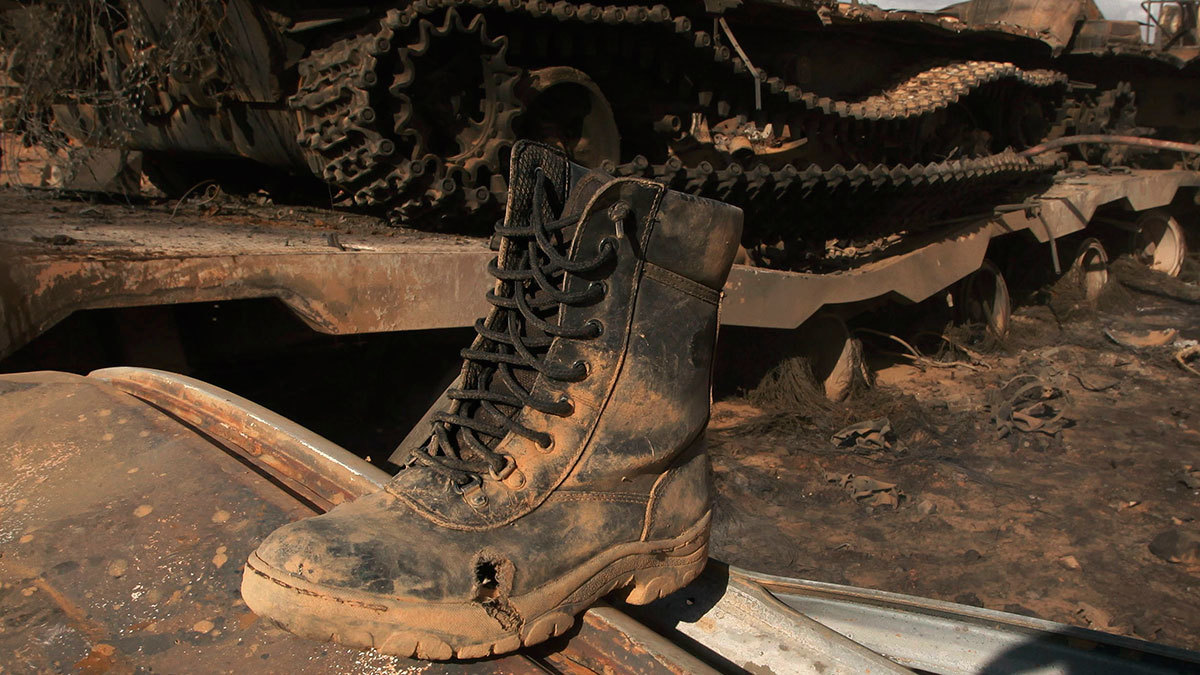
In late April, rebels from the “Front for the Liberation of Azawad” (FLA), in alliance with the JNIM group, dealt a crushing blow to Mali’s government forces. The country’s defense minister, Sadio Camara – one of the regime’s key pro-russian officials – was killed in the fighting. The Tuaregs established control over the strategic city of Kidal, effectively driving the central government out of the country’s northeast.
The “African Corps” – a unit of the ministry of defense of the rf composed of former members of the “wagner” terrorist organization – simply left the city without a serious fight, as agreed with the rebels. The mercenaries, whom the kremlin for years had been selling to African juntas as a reliable shield against any threat, vanished after the very first minor skirmish.
moscow’s focus on the Sahel had its own logic. Following a wave of military coups in the region, russia actively filled the vacuum created by the withdrawal of Western forces. The scheme is simple: sell security services to the junta in exchange for access to mineral deposits – all without any inconvenient questions about human rights or elections. The anti-colonial sentiments of the local population served as convenient propaganda fuel.
But the reality turned out to be different. Despite the ideological differences between the Tuaregs and the Islamists, a shared goal united them more effectively than any external coordination. The coalition clearly demonstrated that the rf’s “elite units” are capable of terrorizing unarmed civilians and plundering resources. When a real enemy appears, the picture changes dramatically.
The kremlin reacted in its usual style. The news agency “African Initiative”, together with the ministry of defense of the rf, reported on the corps’ “heroic resistance” and the rebels’ heavy losses. They are even trying to turn the deceased Camara into a symbol of bravery – allegedly, he personally led the battle. In reality, his death was merely a consequence of administrative chaos.
In parallel, moscow is testing the waters for negotiations, attempting to divide the rebels into “constructive” and “radical” in order to preserve at least some of its resources. The traditional “culprits of the defeat” have already been identified: “Ukrainian and Western instructors” who “orchestrated a coup” against the victor of the 2021 uprising, who in turn had ousted the leader of the 2020 coup.
The events in Mali are yet another proof that russia’s “aid” is merely a smokescreen for neocolonialism, which crumbles at the first serious challenge.