
“kamaz” and “avtovaz”: The Systemic Collapse of Two Flagships of russia’s Auto Industry
4/9/2026
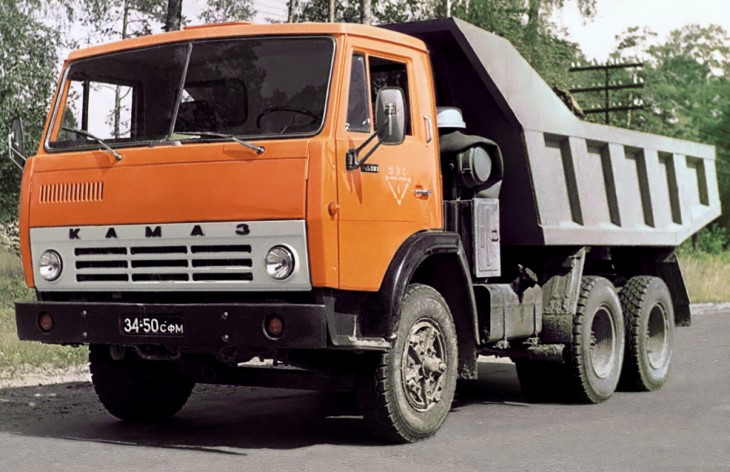
russia’s two largest automakers – “kamaz” and “avtovaz” – are simultaneously demonstrating a state of deep crisis that official rhetoric about the industry’s “resilience” can no longer conceal.
Starting June 1, 2026, “kamaz” is switching to a four-day workweek. The relevant order has been signed, and this is not the first such step – a similar schedule was implemented in the summer of 2025. The repetition of this anti-crisis measure only confirms that the temporary measure has become the new norm. At the end of 2025, the company reported a net loss of $284 million, compared to a profit of $11.3 million a year earlier. In March 2026, the AKRA agency downgraded its credit rating from AA(RU) to A(RU), citing a decline in profitability and a deterioration in debt-servicing capacity.
The market offers no grounds for recovery. In January–February 2026, sales of heavy trucks in russia fell by approximately 40% year-on-year. The central bank’s tight monetary policy has raised interest rates on loans and leases to levels that effectively stifle demand for commercial vehicles. In the heavy-duty vehicle segment (over 16 tons), “kamaz” still holds 37% of the market, but FAW and Sitrak together already control 21%. In the mid-size segment, Chinese manufacturers JAC, Dongfeng, and Foton collectively hold about 20% of the market, offering better performance at a lower price. Company management does not expect a profit for 2026, aiming only to break even.
“avtovaz” is sending employees on a corporate vacation in May, citing “large-scale modernization of production lines”. The real reason is more prosaic: warehouses are overflowing due to weak demand. In March 2026, when the overall market for new passenger cars in russia grew by 31%, lada’s sales fell by 17.4% – the only major player that did not benefit from the general upturn. An increasing share of the market is being taken by localized Chinese models – Haval, Tenet, and Belgee – as well as global brands through parallel imports. lada cannot compete on either price or consumer features.
High central bank’s interest rates are stifling demand, Chinese manufacturers are squeezing the market from both ends, while government orders – the only artificial prop that has so far maintained the appearance of stability – are gradually drying up. The first half of 2026 promises only further deterioration.