
More Grain, Less Money: moscow Is Caught in the Trap of Its Own Harvest
5/15/2026
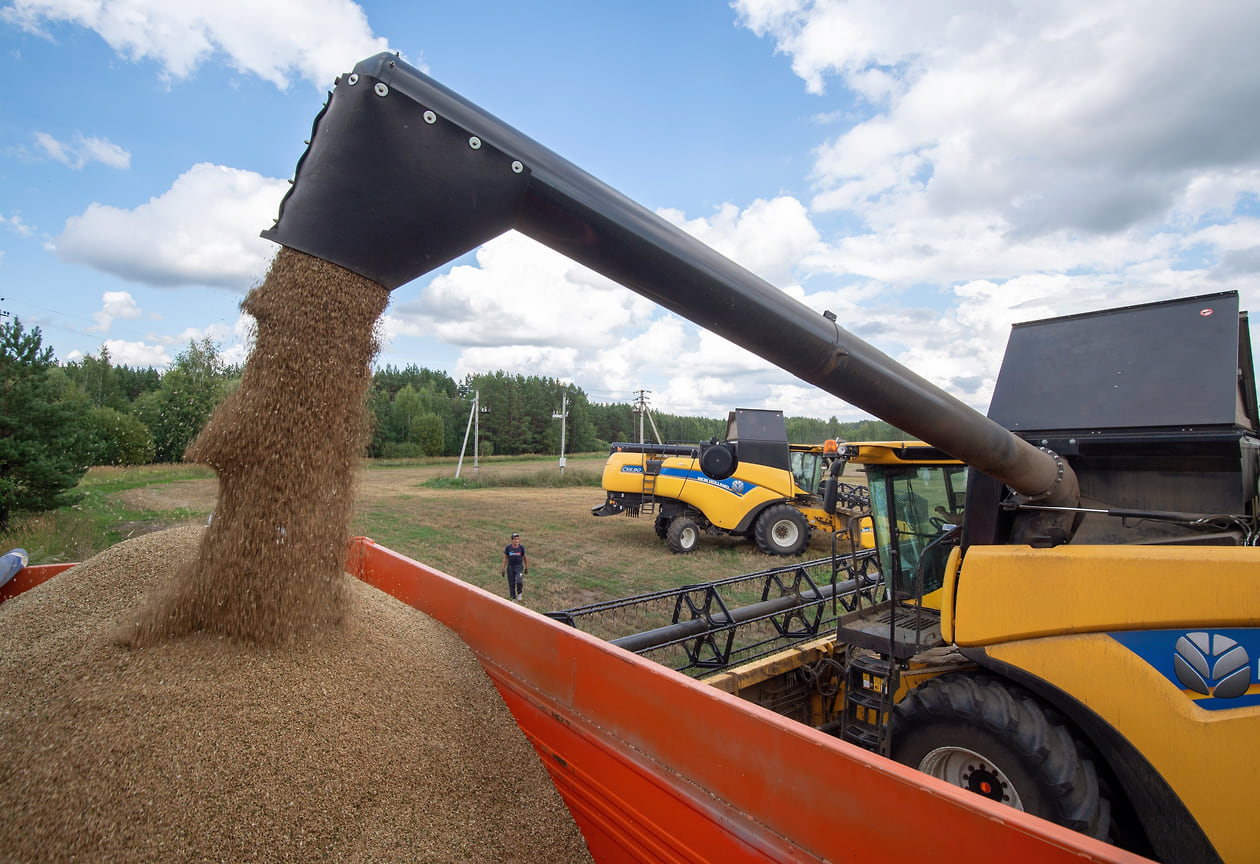
russia’s ministry of agriculture is promising yet another record harvest – and this is arguably the worst news for russian farmers in recent years.
“Relatively favorable weather conditions” are cited as the basis for optimism in moscow. But behind the facade of official forecasts lies a picture that is unlikely to be shown on the evening news on state television: the industry is becoming less and less profitable, there is nowhere to sell the grain, and prices are falling.
A ton of russian wheat currently costs by about $240–$10 less than a year ago. For a market where margins are already razor-thin, this is a significant blow. Fertilizers are getting more expensive, and so is fuel, and logistics is a separate expense. Producers are caught between rising production costs and falling selling prices.
Domestic grain stocks have already reached 25 million tons – a direct consequence of previous “record-breaking” seasons and weak exports. The global market is oversaturated. Egypt and Turkey – traditional buyers – are cutting back on purchases. Added to this is the strengthening of the ruble: it makes grain, which is already cheap, even less competitive in currency terms.
moscow is responding as it usually does – with regulatory levers. The grain export quota for 2026 was initially set at 20 million tons; in April, it was expanded by another 5 million. Variable duties automatically rise along with global prices, meaning that at the very moment when exporters could earn more, the state takes the difference for itself.
Forecasts are one thing, but parts of the central, volga, and southern regions are falling behind on planting due to abnormal weather conditions. If they are unable to make up for this delay, the final harvest figures will differ from what the ministry of agriculture is promising.
A record harvest – if it actually happens – will improve official statistics and bolster the kremlin’s narrative of “food self-sufficiency”. But for those who actually work the land, other things matter more: how much grain is bought for, how much it costs to grow, and whether it will be possible to sell it abroad at all.
Under current circumstances, a larger gross harvest does not mean higher incomes. It means fiercer competition among russian exporters, greater price pressure, and deeper dependence on state quotas.