
moscow Has Admitted: Unemployment and Poverty Await russia After the War
6/3/2026
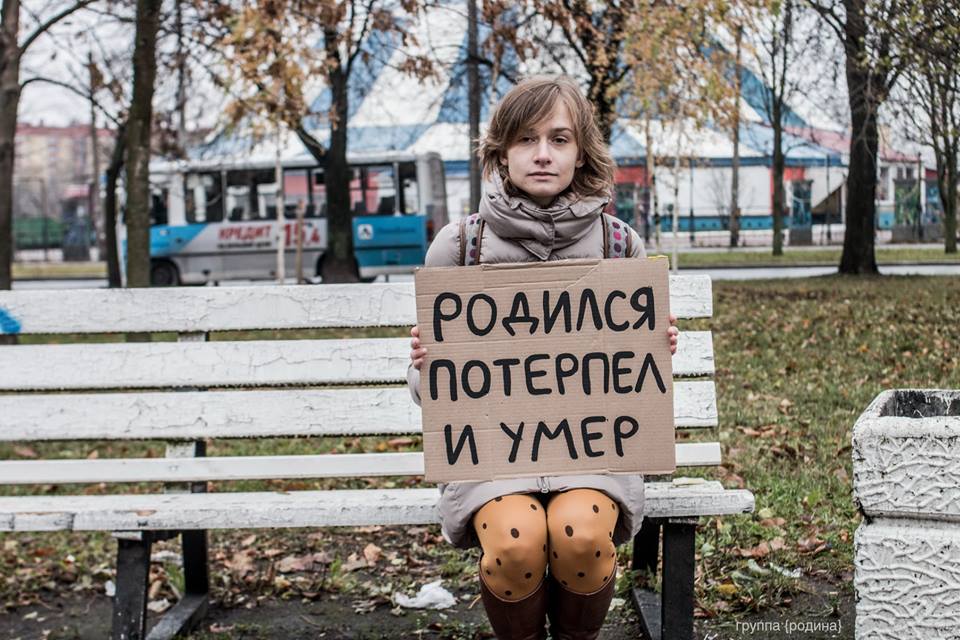
While russian propaganda keeps telling tales about the “resilience” of the economy of the rf and “unprecedented growth”, economists are increasingly acknowledging the obvious: the war against Ukraine has turned russia into a state that relies solely on military spending and could collapse immediately after hostilities cease.
It is telling that these alarming signals did not come from the opposition or Western analysts, but during the prestigious russian conference “shlykov readings”, where issues of the war economy, the military-industrial complex, and russia’s strategic security are traditionally discussed.
Deputy director general of the center for macroeconomic analysis and short-term forecasting dr. belousov has acknowledged that the russian economy has become a hostage to the war. According to him, once hostilities end, russia could face a wave of socio-economic destabilization due to a reduction in defense orders, a drop in household incomes, shutdown of military-industrial complex enterprises, and rising unemployment.
In other words, as long as missiles are flying over Ukraine, russian factories are still managing to operate. But as soon as the “cannon-fueled boost” ends, the aggressor country’s economy risks facing a reality from which only the war has saved it for several years.
In fact, russia has reverted to the model of the late ussr: the country is producing more and more weapons instead of developing a normal economy, while the state budget functions as a life support system for depressed regions.
The prospect of mass demobilization is causing particular panic among kremlin analysts. According to estimates by the center for military-political analysis (cmpa), after the war, the size of the armed forces of the rf could be reduced from 2.4 million to approximately 1.5 million troops. That is, about 900,000 russians with combat experience, psychological trauma, and inflated expectations will return to a place where jobs will be scarce, wages will fall, and the “heroes of the special operation” will suddenly find themselves useless.
It is clear that such a situation could trigger a massive social crisis, a rise in crime, the radicalization of society, and internal instability.
It seems the kremlin is already beginning to realize: starting a war was much easier than then explaining to millions of russians why, after all the “glory”, unemployment, poverty, and the collapse of entire regions await them. That is why russian experts are already suggesting not to give up the military-mobilization model even after the war is over, but to keep the economy on a military track through the development of drones, artificial intelligence, biotechnology, and private space exploration.
The country that dreamed of “rising from its knees” has, in the end, become so firmly dependent on military crutches that it is now afraid to take even a single step without them.
READ MORE HERE: Veterans of the War Against Ukraine May Become the Main Threat to putin’s Regime