
Peculiarities of the Functioning of the rf’s “Shadow Fleet”
1/16/2026
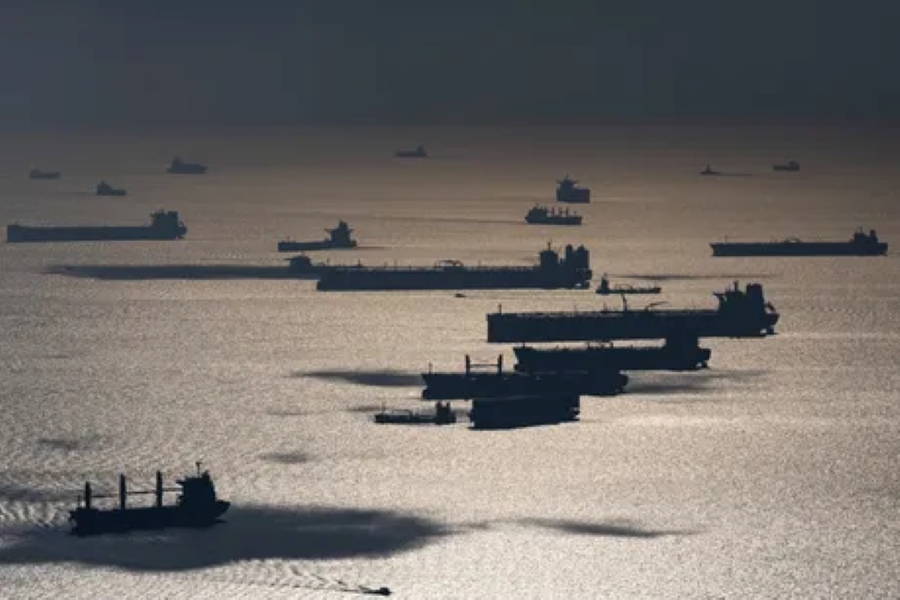
In 2023–2025, nearly 700 tankers were involved in transporting oil from russian seaports, 476 of which operated in 2025. The main buyers of russian oil remained unchanged: India, China, and Türkiye.
Under the influence of sanctions, more than 20% of oil tankers stopped participating in the export of russian oil. To maintain stable maritime exports – about 170 million tons per year – russia is involving new vessels. Last year, the number of such vessels exceeded 40. At the same time, almost 20 tankers have owners and operators registered in Greece, and another 9 – in China.
All these vessels contribute to the rf’s income to finance the war.
At the end of 2025, oil and gas revenues to the russian budget were by 24% lower than in 2024. This is a consequence of the pressure of sanctions on oil prices. The rf’s costs for freight and insurance of tankers involved in oil exports are rising, while buyers are demanding significant discounts. At the end of 2025, according to Argus, the price of Urals crude in the ports of the Baltic and Black Seas fell to $33–34 per barrel.
In 2026, pressure on russia’s “shadow fleet” will intensify. The USA has demonstrated effective methods. These practices will almost certainly be implemented more frequently in the seas around Europe. There are sufficient formal reasons for this, which we are communicating to our partners, and we are working together to weaken the aggressor’s ability to continue the war against Ukraine and escalate its aggression.