
Power Through Family Ties: How “Career Ladders” Really Work in russia
2/12/2026
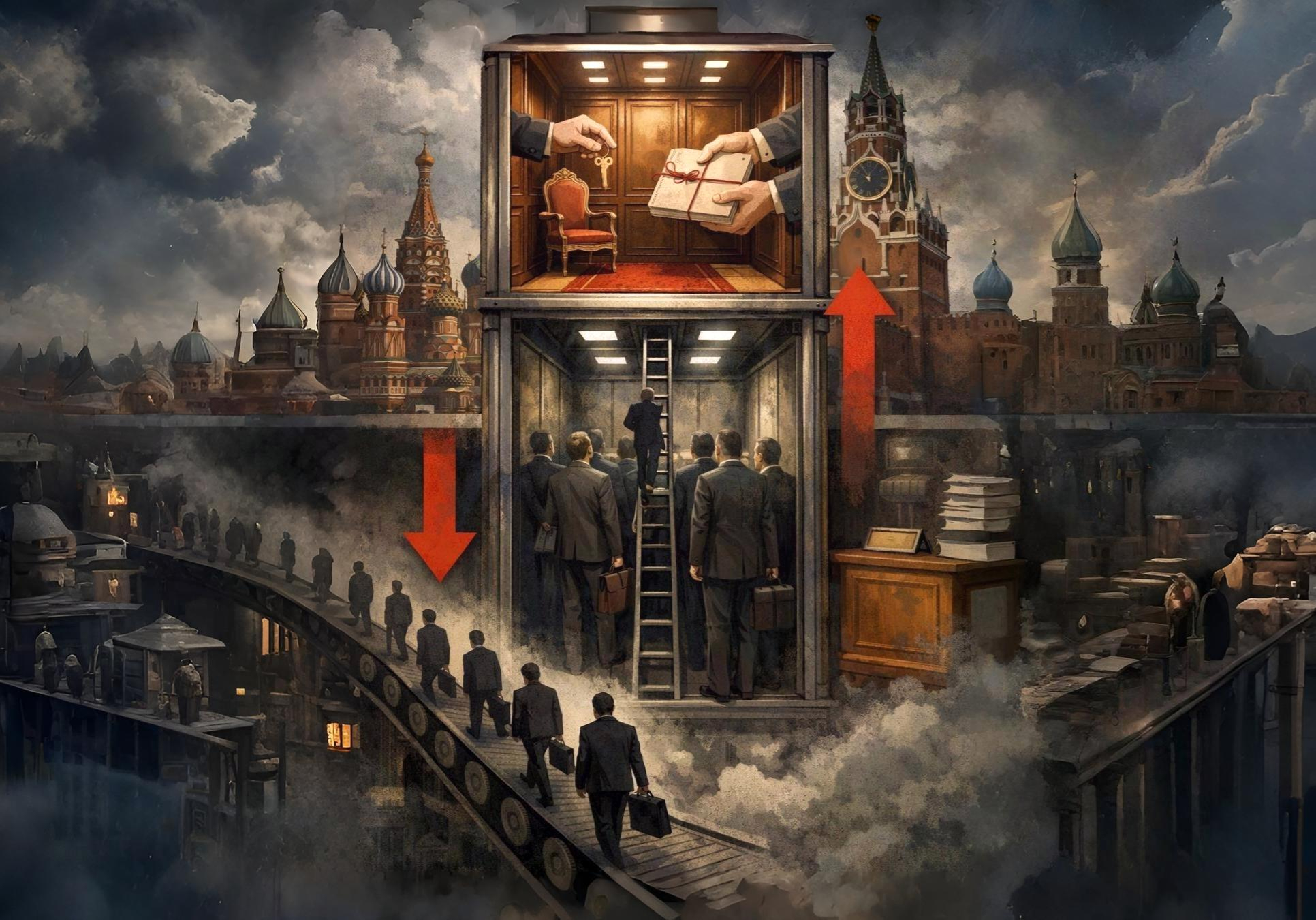
In russia, official statements about “equal opportunities” and open career ladders are increasingly at odds with reality. Recent comments by first deputy head of the russian presidential administration sergey kiriyenko that the joke about “the colonel’s son and the general’s children” no longer applies are disingenuous, to say the least, given specific personnel decisions.
kiriyenko claims that the launch of the “Leaders of russia” competition in 2017 allegedly broke the system of nepotism, and that access to management positions is now open “to anyone”. However, real-life examples paint a completely different picture.
Family ties with the rf’s top leadership continue to play a key role in career advancement. For example, the “rzd-Meditsina” network has become a hub for putin’s relatives: his cousins and other relatives, as well as members of their families, hold management positions there. At this, a significant number of them were previously associated with the presidential administration.
A similar situation can be observed in other spheres. The daughter of former minister of defence sergei shoigu heads the “Mendeleev Valley” innovation science and technology center development fund, which is involved in strategic projects in the field of rare metal mining. Formally, this is a matter of professional management, but the very fact of the appointment once again underscores the closed nature of the elite circle.
Another telling example is the career of ilya medvedev – son of dmitry medvedev, the deputy chairman of the rf’s security council. Ilya has recently been appointed secretary of the council for innovation and technological development at the “united russia”, which will be responsible for the key technological block of the party’s program in the 2026 state duma elections.
Taken together, these facts cast doubt on claims that the clan system in russia is being dismantled. Despite loud talk of competitions, personnel reserves, and a “new management model”, access to real power and strategic resources remains primarily with the children and relatives of senior officials. And the anecdote about what the system supposedly was based on, turns out to be not a relic of the past, but an accurate description of today’s russian reality.