
russia Eating into Reserves Accumulated over Twenty Years
5/1/2026
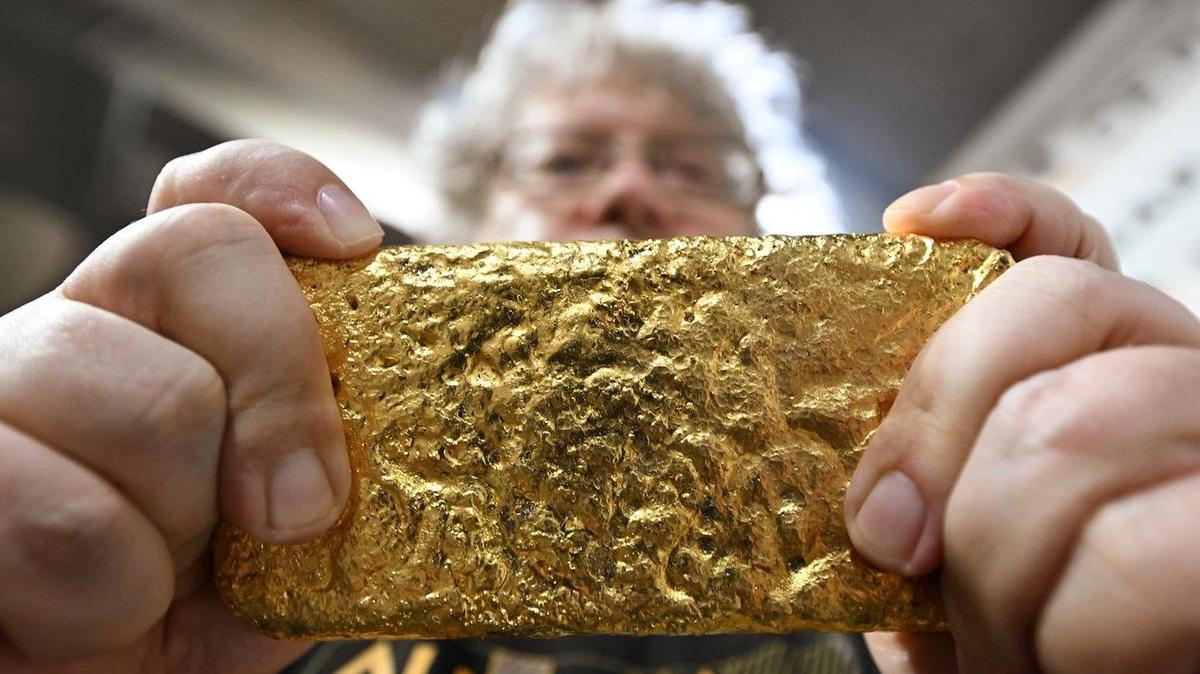
For twenty years, russia had been buying up gold. Now it is selling it. In the first quarter of 2026, the central bank of the rf sold approximately 21.8 tons from its own reserves, reducing the country’s gold reserves to 2,305 tons. For a budget with a gaping hole of nearly $62 billion, the precious metal has become the last resort – and the kremlin is not hesitating to use it.
The shift from accumulation to sale occurred in November 2025: at that time, the central bank began selling gold directly to domestic buyers – banks, state-owned companies, and some investment entities – for the first time. The proceeds are converted primarily into yuan: moscow’s access to hard currency via external markets is effectively closed.
russia built up its gold reserves mainly between 2002 and 2025, having purchased over 1,900 tons from russian gold miners. The most intense waves of accumulation occurred between 2008 and 2012 – more than 500 tons – and between 2014 and 2019, when over 1,200 tons were added to the reserves. After 2020, the pace dropped sharply. Now the trend has shifted permanently.
The market has already noticed this. In March, domestic gold trading in the rf reached 42.6 tons – 3.5 times more than a year earlier. A significant portion of these transactions consists of swap agreements: gold is pledged as collateral in exchange for short-term liquidity. In other words, the metal is no longer merely a reserve – it has become an operational financial instrument in a regime of manual deficit management.
The reasons are obvious. At the start of 2026, russia’s oil and gas revenues plummeted, while military and social expenditures remained unchanged. External debt financing is unavailable, domestic debt is already rising. Under these circumstances, the kremlin is doing the only thing left: dipping into the treasury it has been filling for two decades.
At the current rate – about seven tons per month – russia could sell 80 to 90 tons of gold in 2026. This is not an immediate catastrophe, but the signal is important: a country that for years has been demonstrating the accumulation of reserves as a sign of strength is now eating into them. Fiscal maneuvering is narrowing, and the very fact of the shift to sales confirms what moscow would prefer to keep quiet – the financial stability of the system has vanished.