
russia Imports Labor, but Is Not Ready to Embrace People
2/13/2026
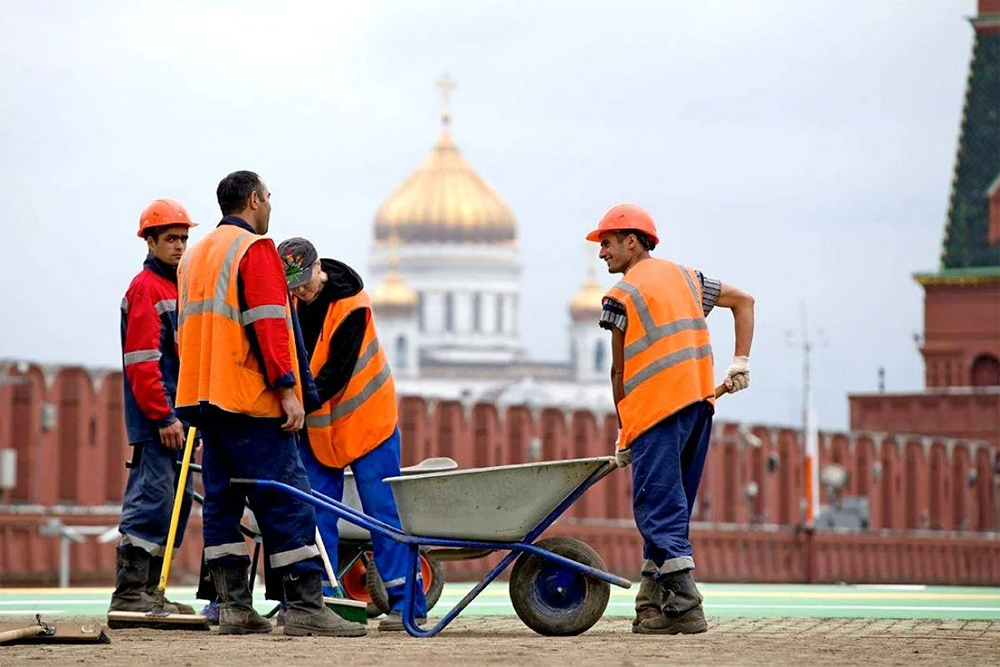
Faced with a chronic labor shortage after restricting migration from Central Asia, russia is rapidly expanding its importation of people from remote and poorer countries, from India to Afghanistan. Formally, this is presented as an economic necessity, but in reality, it is the exploitation of migrants in a country where xenophobia and everyday racism are the social norm.
This is most evident in the case of Indians. As of 2024, more than 31,000 Indian citizens were studying in russia, mainly in medicine and engineering – a tradition dating back to soviet times. But in the same year, Indian diplomatic missions recorded more than 200 complaints from students about exploitation and racial discrimination. This is the highest figure among the 196 countries for which India keeps records: in total, there were just over 350 complaints worldwide, and about 57% of them were in russia. Over the year, the number of complaints tripled from 66 in 2023.
This statistics is compounded by violence. A few days ago in ufa, a 15-year-old teenager with nationalist slogans attacked Indian students with a knife. Such incidents only confirm the attitude to non-Slavic migrants as second-class citizens.
Despite this, russia is increasing the import of foreign labor at a record pace. In 2025, Indian citizens were issued 56,500 work permits, compared to 36,200 a year earlier, and Bangladeshi citizens were issued 9,300, compared to 2,800. The number of permits for Chinese citizens increased by about 50% to 92,000. In total, 240,000 work permits were issued to foreigners in 2025, which is by 42% more than a year earlier and is the highest number since at least 2017.
In 2026, the government plans to raise the quota to 279,000 people, attracting migrants from India, China, Malaysia, Bangladesh, and African countries. deputy prime minister denis manturov has stated his readiness to accept an “unlimited number” of Indians to fill staffing gaps.
Against this background, moscow is opening up another direction – Afghanistan. After the Taliban was removed from the list of terrorist organizations and officially recognized, russia became the only country to legalize the Islamic emirate. Afghanistan offers “young and skilled personnel”, particularly for agriculture, where there is a shortage of at least 130,000 workers. At the same time, the actual qualifications of those migrants remain questionable, as does the ability of the russian economy to integrate people from a country devastated by decades of war.
An additional risk for all new arrivals is the war against Ukraine. In a militarized economy and under compulsory mobilization practices, a significant proportion of migrant workers may find themselves not in factories or fields, but on the front lines, regardless of promised contracts and permits.
russia is increasingly dependent on migrants from the Global South, but continues to treat them with open contempt. The rf imports labor as expendable material in a society where xenophobia and racism remain commonplace.