
russia Is Drinking and Losing Its Mind: Alcoholism and Mental Disorders Have Hit Record Highs Amid the War
4/20/2026
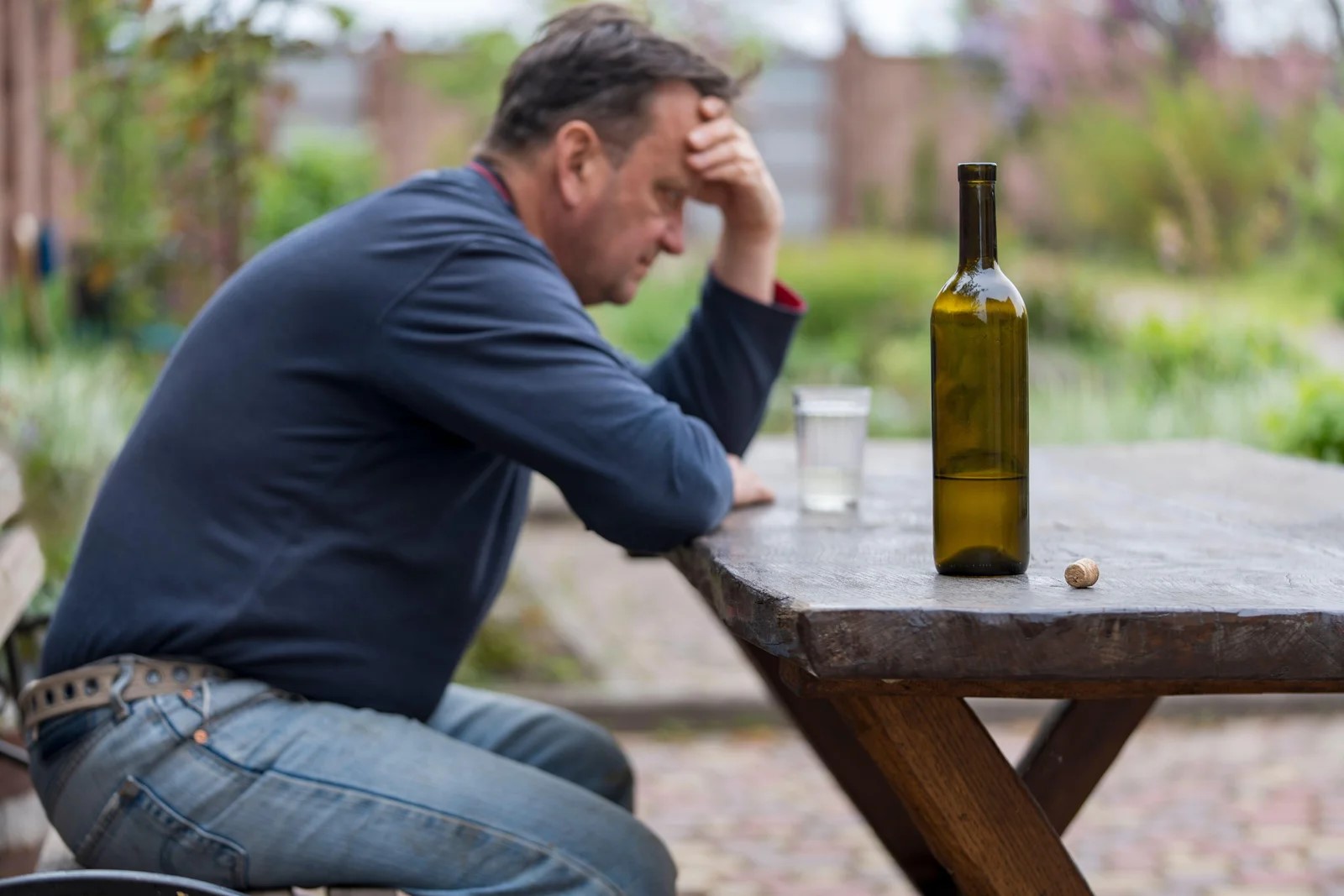
In 2025, russia recorded its worst rates of alcoholism and mental disorders in nearly a decade – and there are no signs that the trend will change.
The number of russians newly diagnosed with alcoholism or alcohol-induced psychosis reached 56.9 per 100,000 people – the highest since 2016. The increase from the previous year is 30%, marking the sharpest jump in the history of the data. For comparison: from 2011 to 2020, the rate fell threefold – from 107.8 to 40 people per 100,000. The 15% spike in 2021 was then attributed to the post-COVID effect. The current figures have no such explanation.
The diagnosis has spread across 69 regions. In omsk region, the incidence rate has increased fivefold, in astrakhan region – fourfold. The perm territory has seen a 3.5-fold increase – to 288 cases per 100,000 people – which is a regional record and the second-highest figure in the country. The undisputed leader is the chukotka autonomous okrug: 391.4 cases per 100,000, which is the highest rate in 10 years. chukotka also tops the rankings for mortality from alcohol, drugs, and suicide.
In parallel, russians have switched to cheaper alcohol. Vodka sales rose by 4.95% in March: as whiskey, brandy, and cognac became more expensive, vodka emerged as an affordable alternative. russians began tightening their belts last year, cutting back on food, medicine, and clothing. 82% of citizens expect prices for food and utilities to rise faster than their incomes.
The picture regarding mental health is no better. In 2025, mental disorders were diagnosed for the first time in 328 people per 100,000 – a 14-year high. The rate began to rise in 2018, dipped during the pandemic, but rebounded after the start of the full-scale invasion of Ukraine and peaked by 2025. For the first time in the history of observations, moscow entered the top 15 regions by incidence rate, ranking 12th: 451.6 new diagnoses per 100,000 people – nearly twice the national average. karelia leads the list with over 700 cases per 100,000, followed by arkhangelsk region and the altai territory with over 600.
The antidepressant market is responding accordingly. In 2022, russians purchased 13.8 million packages worth 8.9 billion rubles. By 2025, that figure had risen to 23.6 million packages worth nearly 29 billion rubles. Demand doubled, while spending tripled.
Separately, there has been a surge in substance use addiction. In dagestan, the incidence rate has increased fivefold; in murmansk region – threefold; in the altai republic – twofold. murmansk region has taken the top spot: 28 new patients per 100,000 people – nearly four times the russian average. Officially, more than 400,000 people are registered with drug treatment services, but experts estimate that the actual number is times higher.