
russia Is Pushing to Create a “Shadow Fleet" for LNG
8/13/2026
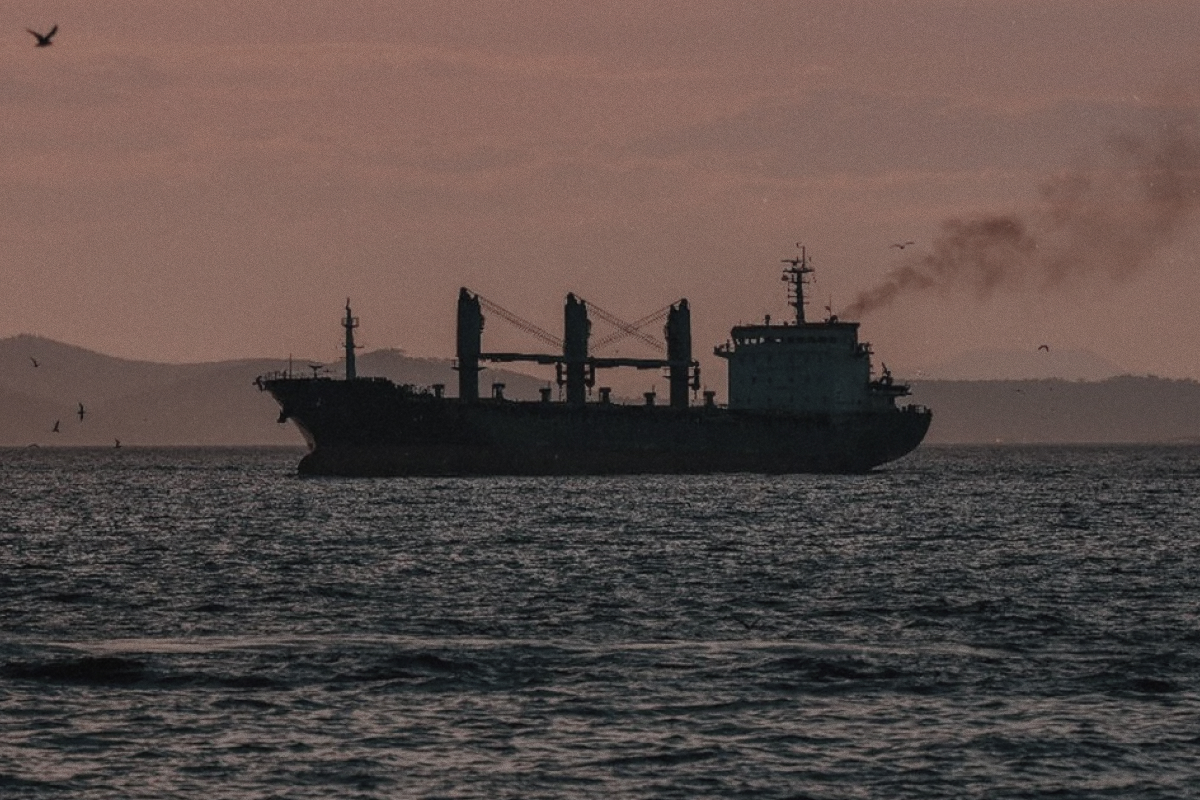
russia is speeding up the creation of a “shadow fleet” to transport liquefied natural gas (LNG) in preparation for the European Union’s complete ban on russian LNG imports, which will take effect on January 1, 2027. The kremlin is buying up old LNG carriers on the secondary market and commissioning the first vessels of its own production.
More than 65% of russia’s LNG production comes from “novatek”’s projects – “yamal LNG” and the sanctioned “arctic LNG-2” – while another 30% comes from “gazprom”’s “sakhalin-2”. China remains the main buyer of “arctic LNG-2” products: according to expert estimates, cargoes are transported by 11 vessels with an average age of about ten years.
Unlike the oil “shadow fleet,” which numbers over a thousand vessels, building a counterpart for LNG is significantly more difficult due to the high technological complexity of cryogenic gas carriers, which are capable of keeping gas in a liquid state at a temperature of about –162 °C. Building a single modern tanker costs up to $300 million, so moscow is instead buying up vessels over 19 years old that global shipping companies are already taking out of service.
Over the past six months, the fleet has been expanded by at least eight used gas carriers and two new vessels from the “zvezda” shipyard in bolshoy kamen (primorsky krai). Most are registered to russia-linked companies based in Dubai, Hong Kong, and Singapore. In total, by 2026, the “shadow fleet” of LNG carriers had grown to 25 vessels – among the identified ships there are the Kosmos, Orion, Merkuriy, Luch, Arctic Express, Avacha, Chaivo, as well as new Aleksey Kosygin and Konstantin Posiet.
Four more gas carriers are under construction at the “zvezda” shipyard, but sanctions are holding back the industry’s development: South Korea’s Hanwha Ocean has six completed Arc7 ice-class gas carriers blocked for the kremlin’s Arctic projects.
The “shadow fleet” will allow russia to only partially mitigate the effects of the EU ban. A lack of suitable vessels, the seasonality of Arctic navigation, and a shortage of ice-class gas carriers will prevent a full-scale redirection of supplies to Asia. Once a full-scale embargo is imposed, “novatek” risks accumulating unsold inventory, cutting production, or selling LNG at significant discounts – but this will only strengthen the negotiating positions of China and other Asian buyers.
See also: russia Is Building Another “Shadow Fleet” to Circumvent Upcoming EU Sanctions