
russia Risks Losing Access to Bolivian Lithium Due to La–Paz’s Change of Course
1/5/2026
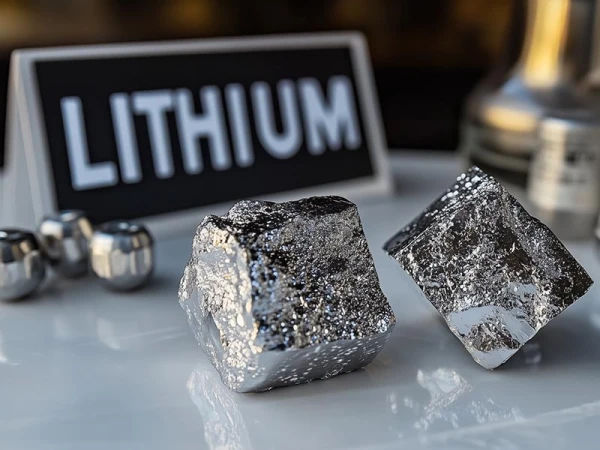
The administration of Bolivia’s new President R. Paz will revise the terms of the agreement between the state-owned corporation Yacimientos de Litio Bolivianos (YLB) and russia’s “uranium one group”, which is part of “rosatom”. The contract, signed on September 11, 2024, provides for the construction of a lithium carbonate production plant on the Salar-de Uyuni salt flat in the Potosí Department – one of the world’s largest deposits with reserves of about 11.2 million tons, or almost 38 % of global reserves.
The agreement has not been ratified by the Bolivian Parliament yet, while political, environmental, and legal factors complicate its further implementation. The contract was signed under former President L. Arce, while the new government has declared its intention to increase transparency in cooperation with foreign companies and expand cooperation with the USA without formally severing relations with moscow.
Additional pressure is being exerted by the local authorities in Potosí and communities, who criticise the economic terms of the agreements with russian companies and point to environmental risks. They are demanding a separate law on lithium mining, increased contributions to local budgets and a full assessment of environmental impact. The key parameters of the project – the profit sharing, extraction technologies, and environmental safety guarantees – remain unclear, while Bolivian lawyers warn of possible financial and legal risks in case of disputes with russia.
Delaying or revising the ratification of the agreement signals a change in La–Paz’s priorities and increases the risks for “rosatom”. For russia, this means losing access to one of the world’s key lithium resources, while Bolivia gains room to adjust the terms and potentially attract Western partners.