
“russian Railways” Recording Decline in Key Sectors and Entering Debt Market
2/10/2026
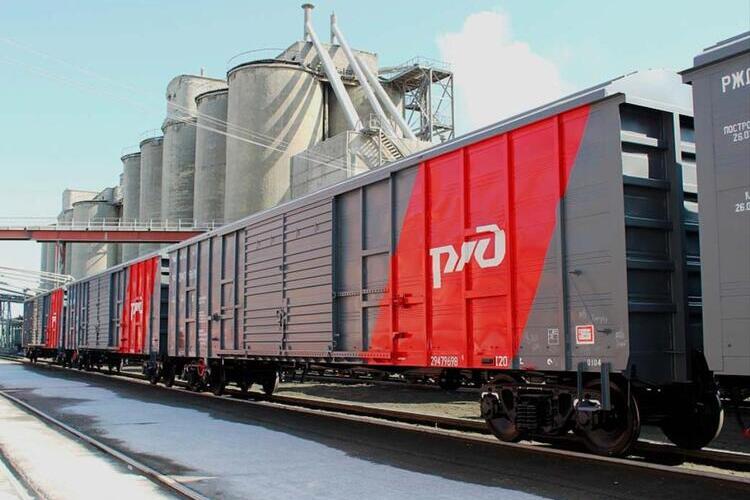
“russian railways” LLC has approved its areas of activity for 2026. The planned load indicator is set at 1.1 billion tons, only by 1.5% higher than the 2025 result, which in itself indicates a lack of growth ambitions.
Actual operating data, however, paint a much bleaker picture. In January 2026, freight traffic on the “russian railways” network fell to 89.3 million tons, which is by 4% less than in January 2025. Freight turnover deteriorated even more sharply, having fallen by 11.6% due to a decline in the average distance of transportation – a direct indicator of weakening economic activity within the country.
The deepest decline was recorded in the transportation of scrap metal (-43.2%), cement (-30%), ferrous metals (-14.5%), and coal (-8.7%). These segments traditionally form the basis of the “russian railways”’s freight base, and their decline directly reflects the downturn in the coal and metallurgical sectors, as well as stagnation in the construction industry. Local growth is observed only in export-oriented directions towards Asia – on the south-eastern railway (+10.5%), trans-baikal railway (+6.6%) and east siberian railway (+3.2%), which only highlights the weakness of domestic demand.
Against the background of deteriorating key indicators, “russian railways” is preparing to place exchange-traded bonds in yuan worth approximately $244 million. The tentative placement date is February 11, with a maturity of 3 years and 7 months and an annual interest rate of up to 8%. This is happening at a time when the company’s total debt to creditors already exceeds $44 billion.
The real dynamics of russian railway transport increasingly signals a structural decline in key industries – metallurgy, construction, and coal and chronic weakness in domestic demand, which cannot be offset by either formal growth plans or selective export traffic to Asia.