
russians Are Withdrawing Money from the Banking System en Masse
1/27/2026
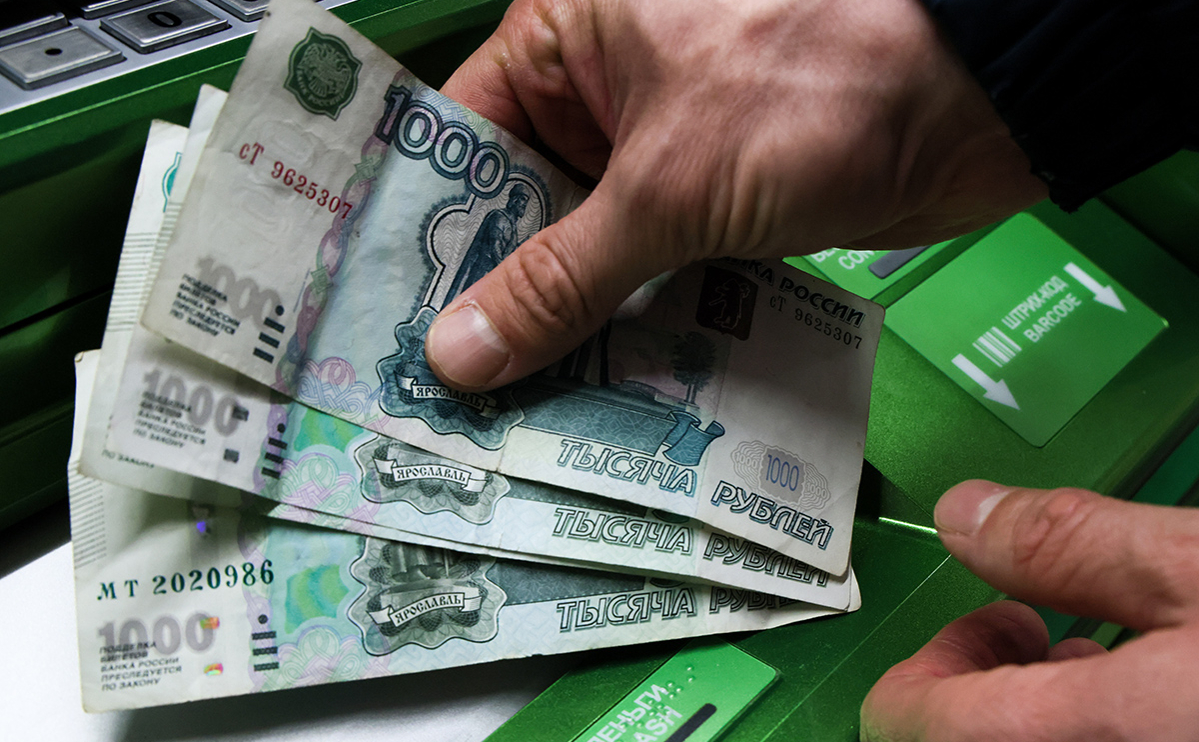
Against the background of a sharp increase in the amount of cash in circulation, which reached $253 billion as of January 1, 2026, the central bank of the rf acknowledged a systemic problem: in 2025, the outflow of funds from the banking sector amounted to $12.8 billion. This resulted in an increase in the structural liquidity deficit of the banking system to $14.7 billion – a figure that directly reflects the loss of depositors’ confidence in financial institutions.
Since the beginning of 2022, the cash supply in russia has grown by 40%, with the most dramatic dynamics recorded in July–September 2025. For comparison: in countries with developed non-cash payments, the share of cash usually does not exceed 10–15%. In countries with weak payment infrastructure or chronic distrust of banks, it reaches 30–50% or more.
According to the forecast of the central bank of the rf, in 2026, the structural liquidity deficit will not only not decrease but will continue to grow to $32–45 billion. This means that the banking system is entering a phase of sustained dependence on emergency refinancing from the regulator, losing its ability to accumulate resources on its own.
The demand for cash is growing for several reasons: declining returns on deposits; citizens’ desire to ensure uninterrupted payments outside the banking system; active use of cash to circumvent financial monitoring. Taken together, this forms the population’s direct response to the increasing risks of keeping money in banks.