
russia’s Grain Fiasco
8/6/2026
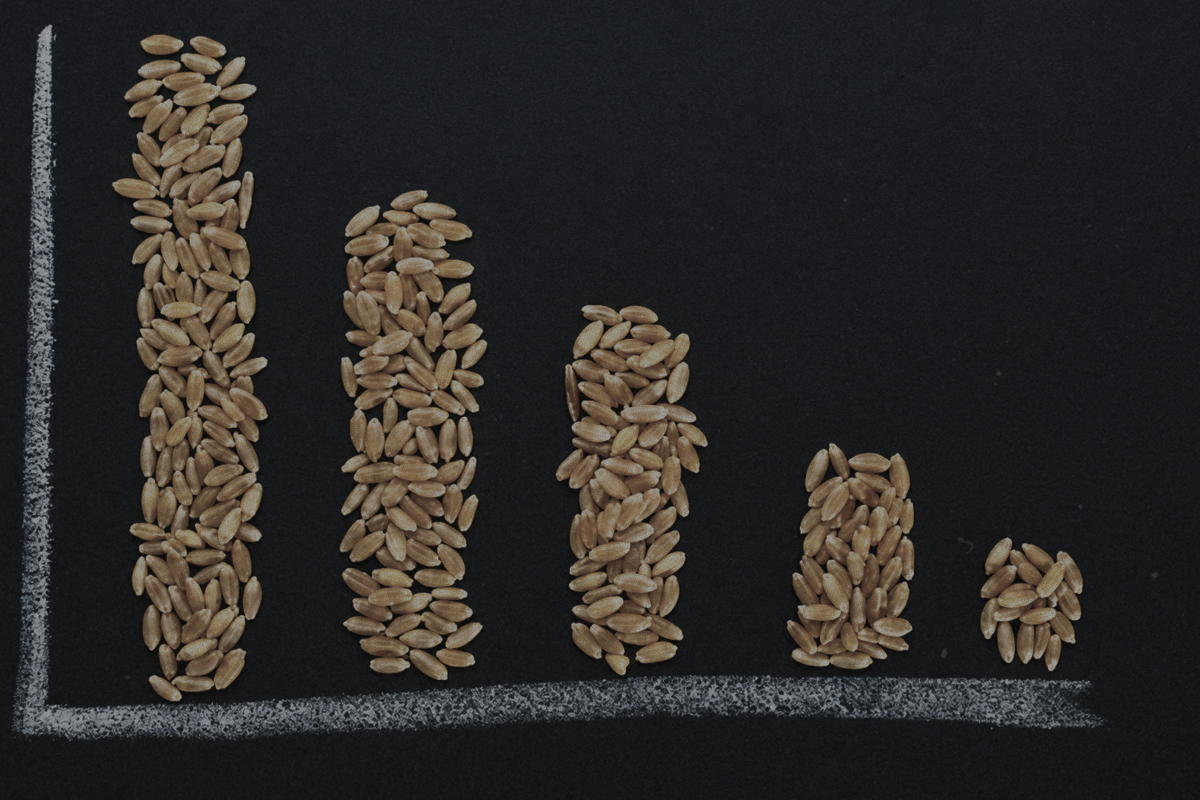
Wheat and barley prices on russia’s domestic market are falling at an accelerated pace: since mid-July, prices have dropped by 8–14.5%, and over the past year, they have fallen by 17.8–20.1%. Only half of the harvest is being exported; July shipments abroad fell by 17–83%, and August is not expected to bring a recovery. russian farmers are teetering on the brink of profitability.
As of July 31, a ton of third-grade wheat in the European part of russia cost 13,500 rubles at a warehouse or grain elevator – by 11.3% less than on July 10, when shipping restrictions began at the ports of the Sea of Azov, and by 17.8% less than a year ago. Fourth-grade wheat has fallen in price even more: by 14.5% over three weeks and by 20.1% over the past year, to 12,200 rubles per ton. Feed barley in the central regions has lost 8% of its value since July 10 and nearly 19% over the past year.
The reality is worse than the official statistics: some producers are forced to sell wheat for 8,000–9,000 rubles per ton, whereas just a few weeks ago the price was 14,000–15,000 rubles. The break-even point for farmers is around 10,000 rubles, so current sales are effectively unprofitable.
Export prices are also falling. At the end of June, wheat for delivery from novorossiysk averaged $230 per ton, having lost 2.5% over the week. Demand for grain has virtually disappeared, supply continues to grow, and nearly all players in the agricultural market are facing sales difficulties.
Since July 10, shipping in the Sea of Azov and operations at the taman grain terminal have been significantly restricted. In July, russia exported 1.8 million tons of wheat and only 101,000 tons of barley – less by 17% and 83%, respectively, than a year ago. Shipments were rerouted through novorossiysk, tuapse, the Baltic Sea, and the Caspian Sea, but this drove up freight costs by 30–50%. Sales are further constrained by limited demand from Türkiye, which has harvested a bountiful crop of its own, and Egypt, which is sitting on high stockpiles.
The domestic market cannot compensate for the drop in export demand: flour millers will not increase their purchases due to expensive loans and the prospect of further price declines, so grain prices in russia will continue to fall for at least several more weeks.
Even the reorganized logistics is unlikely to save August exports: only 2.5–3 million tons of wheat will be exported – by 32–43% less than a year ago. By the end of the season, russia will have fallen short of supplying 30–35 million tons of wheat to the global market.