
russia’s Pension System Is Creaking at the Seams Under the Weight of the War: the Fund’s Deficit Has Tripled
4/18/2026
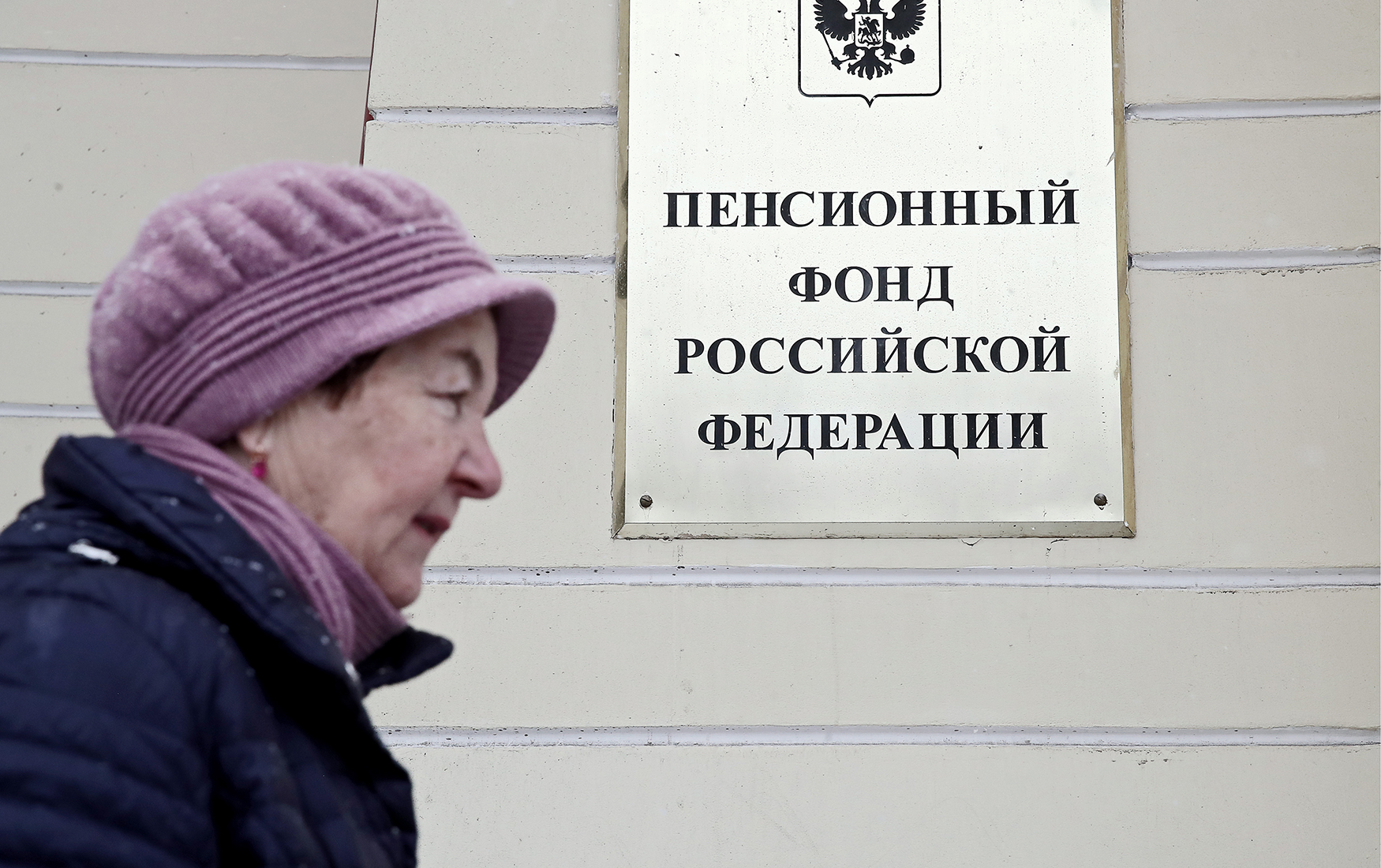
russia’s pension and social insurance fund ended 2025 with a deficit of $16.1 billion – three times more than the previous year and twice as much as any previous peak. This is no longer a localized problem for a single fund, but a symptom of the collapse of the entire budgetary structure that the kremlin has built over decades on oil revenues.
The main trigger was a sharp cut in federal funding – by nearly 40%, from $71.18 billion to $41.39 billion. moscow, which chronically underfunds its own pensioners, diverted resources to other spheres – and the system, which was already relying on transfers, began to collapse. The fund’s own revenues grew by 12.7%, to $161.26 billion, but expenditures reached $228.61 billion. Employers’ insurance contributions covered only about 70% of the costs; the rest had to be found elsewhere.
“Elsewhere” means in the reserves. As of early 2025, the fund’s accounts held $25.15 billion; over the course of the year, $15.82 billion was spent – that is, more than 60% of the safety cushion. If this trend continues, the buffer will disappear before the kremlin finds an answer to the question of where to get money next.
The current deficit has far surpassed the crisis levels of 2015 ($7.06 billion) and 2023 ($7.7 billion). This has made 2025 a structural turning point.
The pension crisis is just one aspect of a broader collapse. Regional budget deficits have reached a record $19.49 billion, and the total shortfall in resources across the entire russian budget system is estimated at $107.83 billion for the year. The fund is increasingly functioning not for its intended purpose, but as an internal financial buffer for the government – a tool for concealing the true scale of the deficit.
In 2026, by all indications, the kremlin will have to choose between pensioners, the military, and the regions. And this choice will have no painless solution. Hidden cuts to social benefits, delays in compensation payments, and the subsequent shifting of the burden onto the regions are a logical continuation of processes already underway. When the fund finally loses its role as a buffer, it will become significantly more difficult for the ministry of finance to mask the true state of public finances – and this loss of appearance may prove more costly than the deficit itself.