
Serfdom Returning to russian Education
3/12/2026
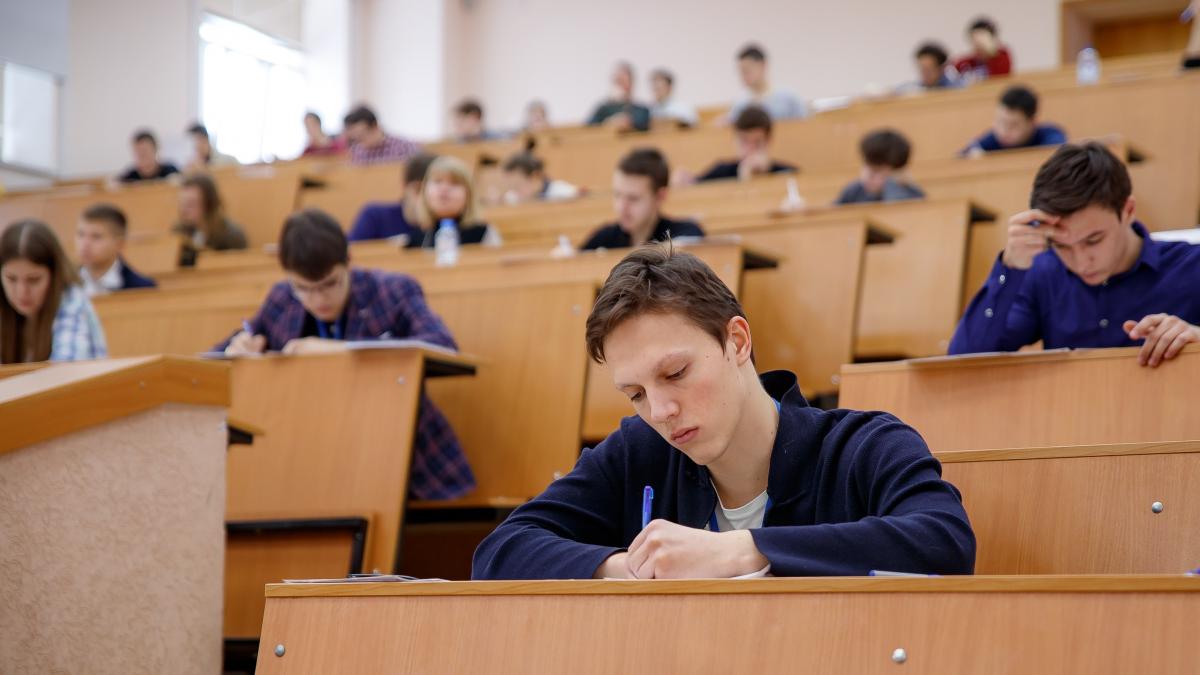
With the start of full-scale aggression against Ukraine, the kremlin simultaneously launched a “special operation” in its own higher education system. In December last year, putin announced the completion of the education development strategy until 2036 – a document that is supposed to transform russian universities into state personnel conveyors once and for all.
From September 1, 2026, russia will completely abandon the Bologna model – the very same “baccalaureate and master’s programs” system that gave students at least some flexibility and theoretical compatibility with Western universities. Instead, the ministry of science and education of the rf is introducing a “single integrated cycle of study lasting from four to six years” – a specialization with early professionalization and minimal variability.
All universities, without exception, will be required to teach a unified “core” of subjects: russia’s history, philosophy, a foreign language, the russian language, life safety, physical education, “fundamentals of russia’s statehood”, law – plus specialized disciplines in their respective fields. This list is strictly regulated and mandatory for all. During the first unified stage – up to two years – students can still make some adjustments to their future specialization, but only within the limits of a pre-approved group of related specializations. After that, it’s coasting to graduation, with no chance for a multidisciplinary education. Any attempt to change one’s major will be blocked by critical academic differences, fines, and demands to reimburse tuition fees. Admission to master’s programs is also exclusively based on one’s major. After receiving their diplomas, graduates face a system of distribution that dates back to the soviet era: the state itself decides where young professionals will work.
The kremlin is purposefully building a system of narrow-profile education that completely deprives students of freedom of choice and makes them dependent solely on the state’s staffing needs. Giving up the Bologna model effectively makes it impossible to continue studying abroad – future generations of russian scientists and specialists will be doomed to exist within a closed system that will ensure they do not leave it.
Against this background, the “initiative” of the well-known russian entrepreneur german sterligov seems quite organic. He proposed reviving yuriy’s day – a medieval tradition whereby serfs could change masters only one day a year. On this day, sterligov would allow russians to quit or change jobs. So far, this idea has not received legislative support, but it seems that this is only because the time has not come yet. Given the trends in modern russia, the annulment of the 1861 manifesto abolishing serfdom no longer seems absurd. Rather, it seems like a plan.