
The Artificial Exchange Rate of the Ruble Against World Currencies Is Robbing russians
1/3/2026
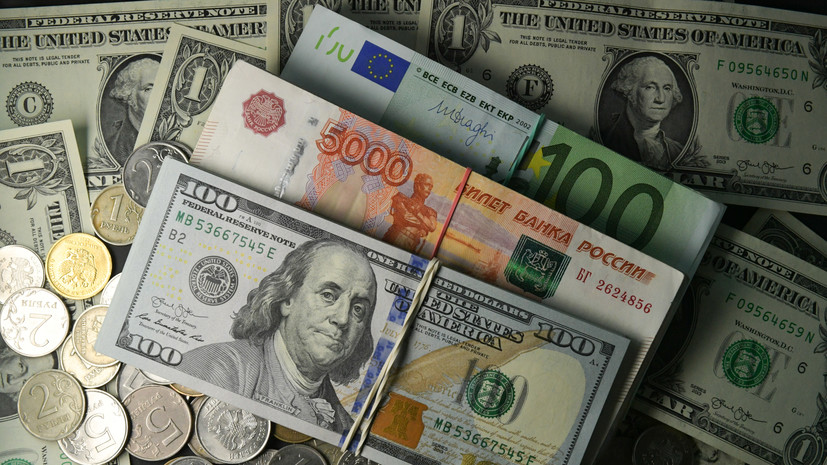
The record strengthening of the russian ruble in 2025 looks less and less like a sign of stability and more like a direct consequence of the kremlin’s ill-considered monetary policy, which could spell disaster for both russia’s economy and its citizens. Since the beginning of the year, the ruble has risen by 37.7 % against the dollar – from 103.4 in January to about 77 now, having sharply deviated from the budget target of 96.5 rubles per dollar at the end of the year.
Despite attempts to present this as a success, financial analysts point to the artificial nature of the exchange rate. It is supported by the central bank’s high key rate, suppressed imports, and forced sales of foreign exchange earnings. It is this combination of decisions that has created a currency imbalance that undermines basic economic balances. Even the inclusion of the ruble in the list of the most profitable assets of the year alongside platinum, silver, palladium, and gold only highlights the anomaly of the situation: unlike precious metals, the ruble is rising in price contrary to market logic.
The price of such “success” is already measured in trillions. The strengthening of the currency cost russian exports about 7 trillion rubles, while oil and gas sector profits fell by 22 % in the first 11 months of 2025. At an exchange rate of about 77 rubles per dollar, electricity for enterprises in the rf costs $0.117 per kWh, which is more expensive than in a number of G20 countries, including China ($0.11), Canada ($0.1), and Saudi Arabia ($0.072).
Ill-conceived monetary policy is also failing on the consumer front. Despite the strong ruble, imports in the first three quarters of 2025 fell to $89 billion from $100.5 billion a year earlier, which contradicts classical economic patterns. At the same time, citizens who have kept their savings in foreign currency for decades have already experienced the effects of exchange rate experiments: $100,000, equivalent to more than 103 million rubles at the beginning of the year, now “weighs” about 77 million. At this, consumer prices and housing and communal services in the country are growing times faster than inflation.
Currency strengthening based on administrative decisions is increasingly working against the economy – and again at the expense of ordinary russians.