
The Budget Crisis Is Forcing the kremlin to Scale Back Support for Its Own Agro-Industrial Sector
4/11/2026
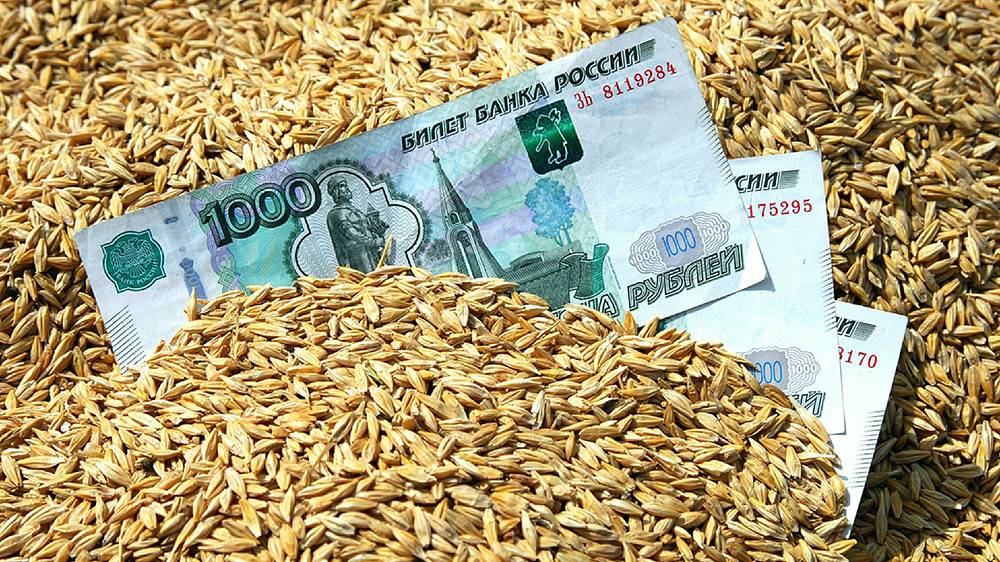
Amid a growing budget deficit, russia is moving to cut state support for the agro-industrial sector – one of the few sectors that the government has until now positioned as a strategic priority. The ministry of agriculture has drafted a resolution that reorients the logic of industry subsidies toward strict austerity.
The document provides for the reduction or complete elimination of subsidies for agricultural technology work, the scaling back of funding for soil conservation and environmental safety measures, as well as the cessation of support for deep processing projects for grain and milk. Mandatory agricultural insurance is becoming a separate condition for receiving subsidies in livestock farming, horticulture, and dairy production – a requirement that effectively weeds out a significant portion of small-scale producers unable to bear the additional costs.
The fate of the “industry development and technical modernization of the agro-industrial complex” program is telling: in 2027, its funding will be cut by 28% – from $438 million to $316 million. About $25 million of the freed-up funds are planned to be redirected to breeding and seed production – a move that industry associations present as a response to the critical dependence on foreign seeds for sugar beets, sunflowers, and corn, which reaches 70–90%.
However, even this “compensation” has a distinct redistributive character: according to experts, the main beneficiaries of the redirected funds will be large research centers and agricultural holdings with their own laboratory facilities. For small and medium-sized farms, this means further restricted access to state support amid already mounting financial pressure.
In a broader context, the reduction in spending on the agricultural sector reflects the systemic fiscal crisis russia finds itself in: limited access to external financial resources and a bloated military budget leave less and less room to support civilian sectors. The consequences of this choice – a decline in investment activity in the agricultural sector, a reduction in production volumes, and a widening gap between major players and the rest of the market – will become apparent in the short term.