
The Economy of Unrecognized Transnistria Is on the Verge
4/2/2026
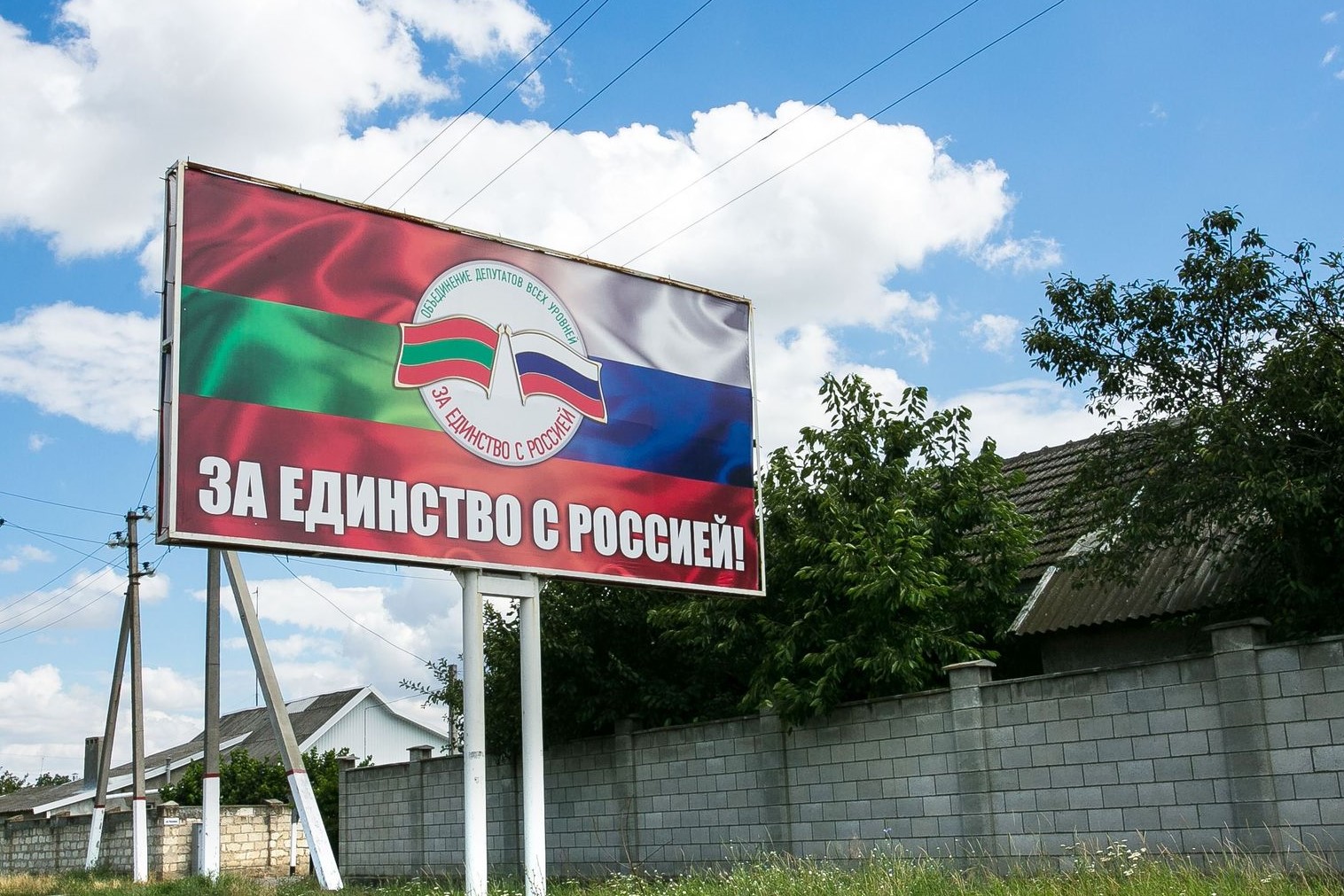
The economy of the unrecognized Transnistrian region – which the civilized world considers russian-occupied territory – is undergoing a deep crisis amid energy problems and geopolitical instability.
According to the new budget and tax concept for 2027–2029, adopted in Tiraspol, the region’s exports have fallen by nearly 60%, imports – by 24.5%. The region’s self-proclaimed authorities acknowledge that they are operating under what amounts to a state of economic emergency.
The key factor in the decline was the suspension of the supply of virtually free russian gas in transit through Ukraine from January 1, 2025. As a result, industrial production fell by 27.3%, foreign trade – by 28.5%, and real GDP decreased by nearly 18%.
Despite a partial recovery in production in early 2026, its level remains approximately by 20% lower than in 2024. At the same time, foreign economic activity continues to decline.
The effects of the crisis are already directly impacting the population. Due to the budget deficit, local authorities have been forced to delay salary payments to public sector employees and have introduced the practice of dividing them into parts. In particular, employees received the second part of their February salaries only at the end of March.
This situation highlights the region’s critical dependence on russian energy resources and the limitations of its economic model in the context of isolation and unrecognized status. Today, the russian economy itself is facing numerous challenges – sanctions pressure, rising budgetary expenditures, and structural imbalances – which are reducing its ability to provide financial assistance to Transnistria.