
The kremlin Is Once Again Cutting Back on russians’ Safety
8/17/2026
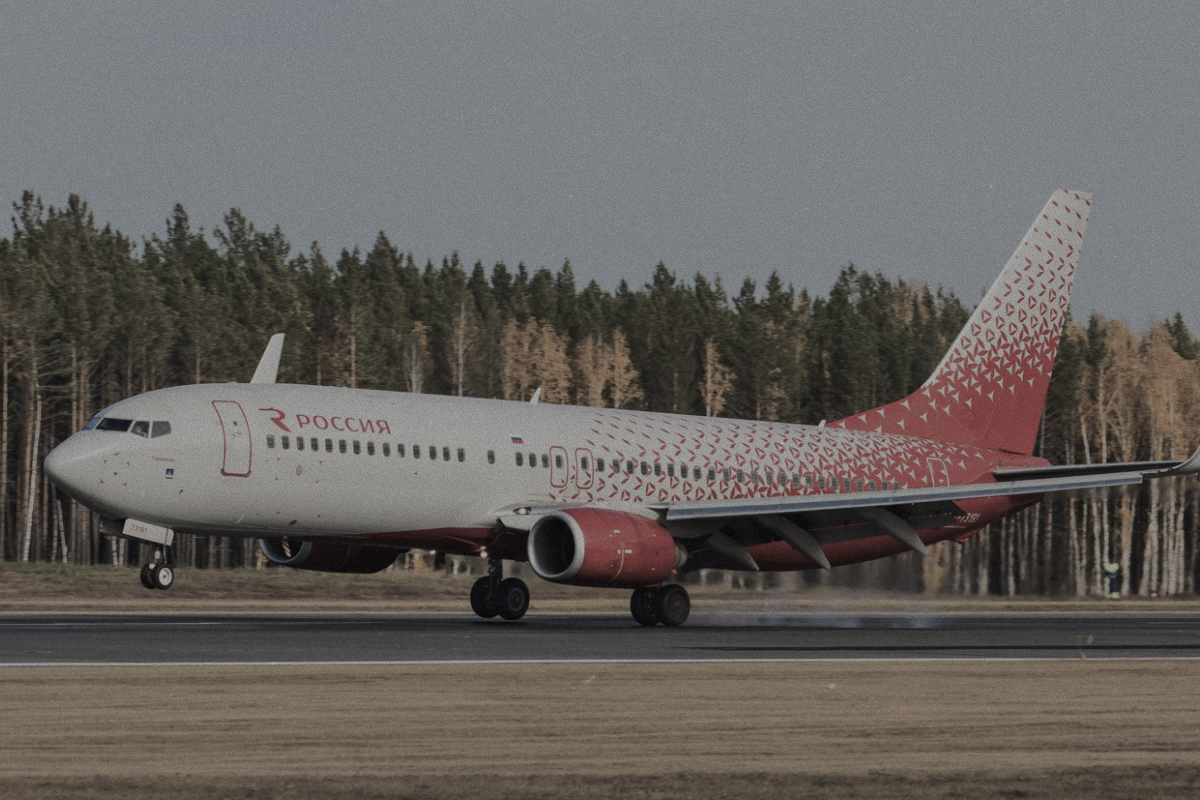
russian authorities have found yet another way to cut costs – by easing aviation fuel standards. The ministry of transport proposes allowing fuel with a pour point as low as –50 °C instead of the current –60 °C, using russian anti-wear additives and heavier crude oil, and increasing the proportion of synthetic components. They want to allow small and medium-sized businesses to participate in production. According to officials’ estimates, this could yield up to 1.8 million tons of fuel per year.
This is a plus for the budget. For passengers, it’s a new risk.
At cruising altitude, the outside temperature is often below –50 °C. If the fuel begins to crystallize, the resulting particles could block the fuel system and cut off the fuel supply to the engine. In a car, this means breaking down on the side of the road. In an airplane, it means engine failure in mid-air.
russian officials are effectively proposing to cut corners on the performance of a product directly related to flight safety. The new additives and components still need to be tested. They may also speed up the wear and tear of parts. Given the sanctions, this means more expensive maintenance, a shortage of spare parts, and even more problems with aircraft repairs.
The kremlin has already demonstrated how this scheme works with petrol. After permitting the production of Euro-2-standard fuel – which had been banned back in 2013 – russian owners of Chinese cars began repairing their fuel systems en masse. Haval, Chery, Geely, Changan, Exeed, Omoda, and Jetour have engines and fuel systems designed for Euro 5. However, the sulfur content in the permitted petrol can be up to 50 times higher than the level set by that standard.
Service centers report an increase in the number of service requests from 1–2 to 7–10 per week. Cars lose power, the “check engine” light comes on, and repairing the fuel system can cost the owner a significant portion of their income. There is no choice: the car must be filled with whatever fuel is available.
This is the model of the russian war economy, which schoolchildren will hardly learn about in the “russia – my horizons” course, which becomes mandatory starting September 1. moscow is cutting costs now, but passing the bill on to the population – through car repairs, more expensive maintenance, and increased risks. Now they want to apply the same approach to aviation – the country is cutting corners on safety because it can’t afford to pay for it.