
The kremlin Is Restructuring Its Influence Apparatus: “rossotrudnichestvo” Is Coming Under kirienko’s Tight Control
3/28/2026
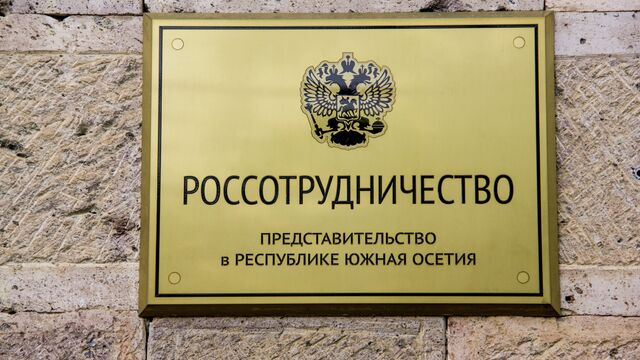
moscow is preparing a large-scale restructuring of the instruments of external influence. According to open sources, the kremlin is working on a plan to centralize the management of “soft power” directly under the control of the presidential administration, which de facto means the end of any institutional autonomy for “rossotrudnichestvo”.
The reformed structure will most likely be overseen by first deputy chief of staff of the presidential administration sergei kirienko – an official who already controls four key departments of the administration, including domestic policy and information and communications infrastructure. The current head of the agency yevgeny primakov is expected to be dismissed and later transferred to the state duma.
“rossotrudnichestvo” has long positioned itself as a cultural diplomacy agency. The reform finally strips away this cover. Among the planned changes is a reorientation of the agency from cultural and humanitarian activities toward comprehensive external influence: information campaigns, work with target audiences, and coordination of loyal structures abroad. The agency, which was previously viewed as an integral part of russian secret services, is now being formally institutionalized for this purpose.
Separately, the creation of a specialized fund for financing media and humanitarian projects abroad is being developed – a structure that the kremlin declares as an analogue of USAID, but which in its architecture is closer to the mechanism of covert financing of influence networks through the non-governmental sector.
The geographical focus of the reform is also shifting: priority has been given to post-soviet countries, which moscow views as a zone of strategic competition and restoration of lost influence. The intensification of informational presence and “cultural” expansion in the region is a direct signal to states already under pressure from russian hybrid activity.
The concentration of resources and authority in kirienko’s hands creates conditions for faster launching of influence campaigns and their synchronization with the kremlin’s domestic political goals, making the reform not an administrative optimization but a preparatory step for a new round of information aggression.