
The kremlin Wants to Keep Drinking Armenian “Cognacs”
6/4/2026
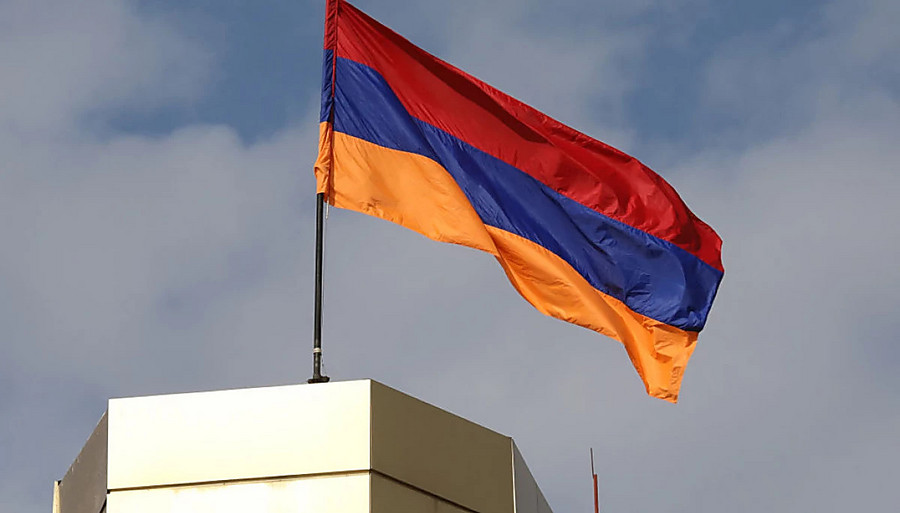
Ahead of the parliamentary elections in Armenia (June 7), russia has significantly stepped up its political, informational, and economic pressure on Yerevan. The kremlin’s preferred scenario is a complete change of power through the electoral defeat of incumbent Prime Minister Nikol Pashinyan. moscow’s minimum goal is to fragment the future Parliament and deprive the pro-European “Civic Contract” party of the ability to unilaterally make foreign policy and security decisions.
russia’s strategy for influencing the electoral process is coordinated through the presidential directorate for strategic partnership and cooperation of the russian president’s administration and includes several interrelated components that have been developed over the years.
First of all – economic pressure on the country. In late May, the rf imposed a series of restrictions on imports of Armenian goods, including vegetables, flowers, mineral water, as well as “cognac” and wines from certain producers. Formally, moscow traditionally justifies these measures as “phytosanitary violations” and concerns about product safety, using trade as a tool for political blackmail.
This could not have happened without the support of the “fifth column”. The kremlin is seeking to consolidate votes around several opposition projects: S. Karapetyan’s “Strong Armenia” party; R. Kocharyan’s “Armenia” bloc; G. Tsarukyan’s “Successful Armenia,” and political projects linked to A. Tatoyan. In reality, this manifests as large-scale media promotion of opposition forces and the discrediting of Nikol Pashinyan through russian and pro-russian outlets. The plan to discredit the current government involves increasing activity on Facebook, TikTok, Instagram, and YouTube, aiming to bring daily content reach to 2.5–3 million views.
Measures are also being planned to mobilize the Armenian diaspora in the rf for the election. To this end, the possibility of organized travel to Armenia by citizens of Armenian descent residing in russia to participate in the voting is being studied. The potential scale of the operation is estimated at 100,000 “additional” voters, with a cost of approximately $50 million.
And ultimately, the russians cannot help using disinformation networks and “false-flag” information operations. The campaign against Pashinyan involves russian propaganda infrastructure directly linked to the “social engineering agency” and the “storm-1516” network (a unit of the main directorate of the general staff of the armed forces of the rf / gru). The launch of a new media outlet, “Yerevan1”, for the Armenian diaspora in russia is also being considered as a tool of influence. Its goal is to systemically shape a negative attitude to the current Armenian government and promote the narrative that “there is no alternative to an alliance with russia”.