
The kremlin’s Gas Dream Is Falling Apart at the Seams: the rf Risks Falling Short by 450 Billion Cubic Meters of Gas by 2050
6/2/2026
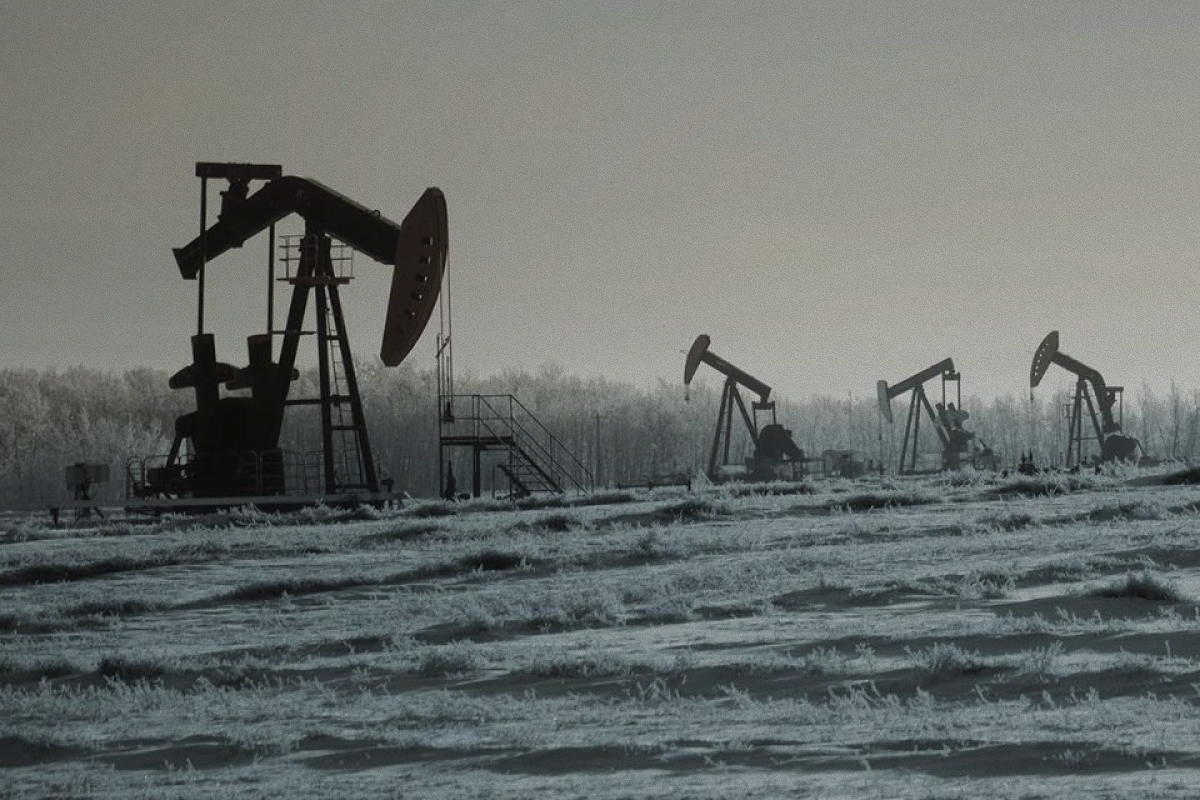
After the unprofitable years 2023 and 2024 and a slight increase in profits in 2025, “gazprom” is attempting to demonstrate new growth opportunities by announcing the launch of oil production at the chona group of fields in eastern siberia. At the same time, representatives of the more flexible and investment-attractive “novatek” acknowledge that the russian gas industry faces the risk of a massive production shortfall in the future.
According to “gazprom neft”, the company has begun commercial production at the chona group of fields in eastern siberia. The kremlin views the project as one of the elements of the ongoing reorientation of russian oil exports toward Asian markets. The main production infrastructure for launching the fields took about two years to build.
However, on the scale of the russian oil sector, the new asset remains relatively small: the expected production level will be up to 2 million tons of oil per year, while total production in russia exceeds 500 million tons annually.
In parallel, the russian gas industry is showing increasingly alarming signs. Director of “novatek”’s field development department aleksandr yazkov has stated that by 2050, russia could fall short of its own strategic gas production targets by 450 billion cubic meters if the government does not introduce additional incentives for the development of hard-to-extract reserves.
According to russia’s energy strategy, the kremlin plans to increase gas production to 1.107 trillion cubic meters per year by mid-century. For comparison, in 2025 this figure was estimated at 663 billion cubic meters. However, even the largest russian gas companies acknowledge that without massive state support, these plans may prove unrealistic.
“novatek” forecasts that the production shortfall could reach 30 billion cubic meters as early as the beginning of 2030s, rise to 90 billion by 2036, and reach a record 450 billion cubic meters by 2050.
The industry’s key problem is the depletion of traditional fields in the nadym-pur-tazovsky region, which for decades has been the backbone of russian gas production. The depletion rate of reserves there has already reached 56%, forcing companies to shift to increasingly complex and expensive projects in yamal, gydan, eastern siberia, and on the arctic shelf.
Western sanctions and technological constraints remain an additional challenge for the russian energy sector. “novatek” openly acknowledges that wells involving horizontal drilling and multi-stage hydraulic fracturing are unprofitable under the current tax regime.
Thus, even the launch of new oil projects in eastern siberia does not alter the overall trend: russia’s easily accessible reserves are gradually being depleted, while further production growth requires massive investments, tax incentives, and technologies to which the rf’s access is increasingly limited.