
The Quiet Draft: How russia Is Mobilizing Without a Mobilization
5/19/2026
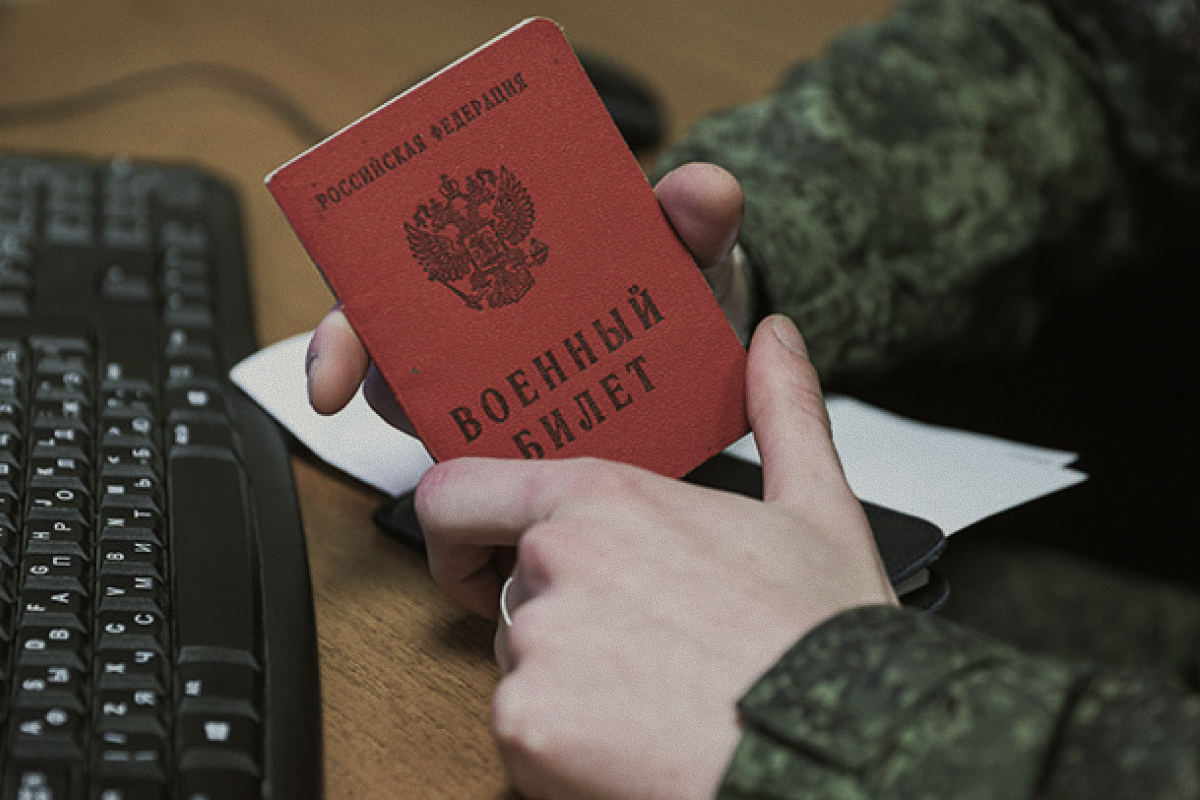
In the first quarter of 2026, russia signed contracts with approximately 70,500 soldiers. This is fewer than the ministry of defense had planned – it had expected 33,500–34,600 people per month. While in the same quarter of 2025 an average of about 1,200 people enlisted in the army daily, this figure has now dropped to 800–930 out of a target of 1,100–1,150.
The first thing the kremlin did was raise the stakes. More than 40 regions increased one-time payments to recruits by 30–100%, and in some cases – by 200–500% compared to levels at the end of 2025. Ordinary russians are paying for this generosity: to scrape together money for military bonuses, regions have cut spending on social services and utilities amid record budget deficits.
The state duma, for its part, passed a law on the write-off of overdue loans – not only for the contract soldier himself, but also for his wife or husband. The condition: a contract starting May 1, 2026, with a term of at least one year. The maximum amount to be written off is $136,700. According to data from the central bank of the rf, by early 2026, the volume of overdue debt on unsecured loans had reached $22.6 billion, and the number of enforcement proceedings against individuals had exceeded 25 million. In other words, the potential audience for this incentive is nearly every fourth adult russian.
In parallel, the kremlin has set in motion mechanisms that can hardly be called voluntary. In ryazan region, companies with more than 150 employees have been required to send a fixed number of workers to the army. The situation is the same in other regions. Meanwhile, the ministry of science and higher education, in cooperation with military commissariats, has tasked the leadership of 190–200 technical and regional universities with ensuring that at least 2% of male students sign contracts.
Pressure is also mounting from above. The prosecutor general’s office has been granted a mandate for total control of the draft – from military commissariats and employers to schools, universities, and law enforcement agencies. The state duma has enshrined in law the obligation of law enforcement agencies to conduct “preventive work” with those who refuse to serve. In fact, the prosecutor’s office is becoming yet another tool of mobilization administration.
Another telling figure: the number of prisoners in russia has dropped to its lowest level since the early 2000s – from 465,000 at the end of 2021 to 282,000 today. The head of the federal penitentiary service explained this simply: people are being sent to war.
Taken together, all these measures paint a bleak picture for moscow. Voluntary enlistment is becoming increasingly costly in the literal sense – both for regional budgets and for the social sector. The debt-based incentive has its limits: it is impossible to keep raising payments indefinitely, while the regions are already deeply in the red. Open mobilization remains an unlikely scenario for now – the kremlin is afraid to announce it publicly. But the more the rate of voluntary enlistment drops, the less this question remains hypothetical.