
The Ruble Is Becoming a Toxic Asset Even for the kremlin’s Allies
8/19/2026
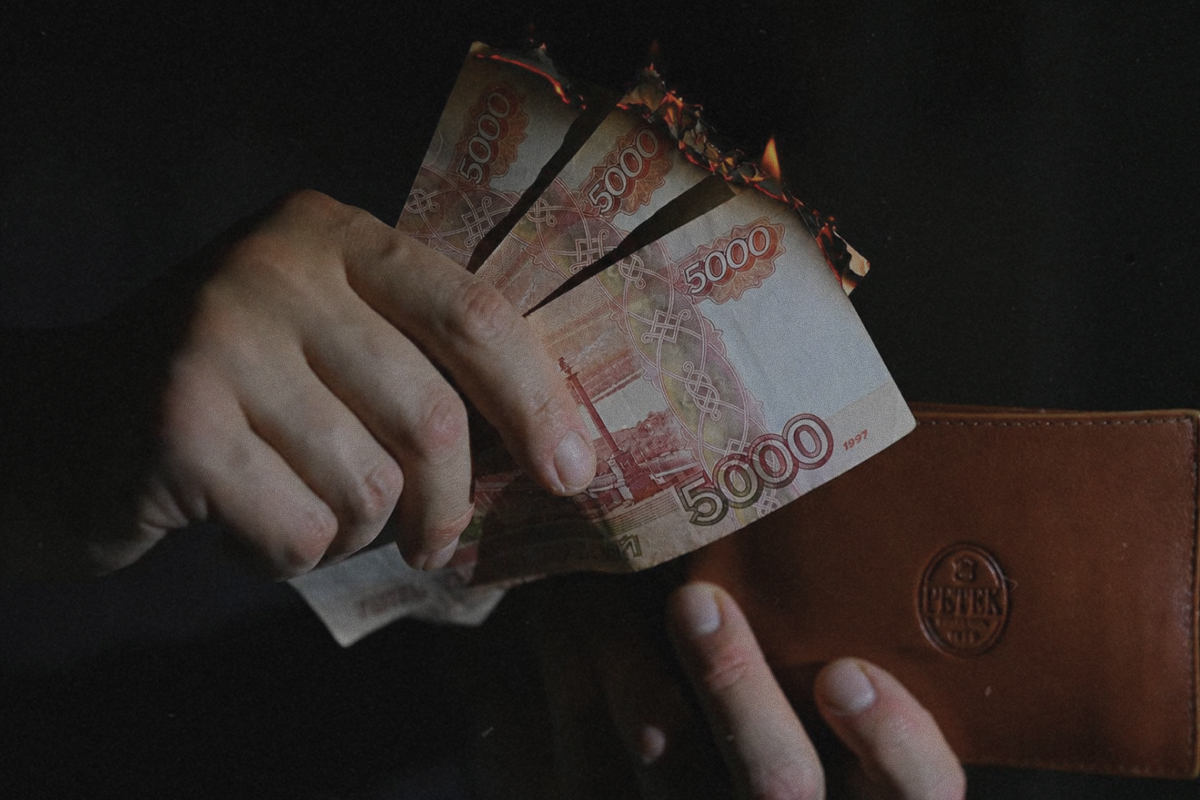
Banks in Kazakhstan, belarus, Kyrgyzstan, and Armenia simultaneously raised their fees for accepting russian cash over the summer. Fees for depositing and exchanging rubles at some institutions have reached 15–20%, which effectively devalues the transaction for the customer and makes the ruble an illiquid asset even in countries which moscow has traditionally regarded as its financial rear guard.
The reason lies in basic economics. Within the rf, controls over cash circulation are tightening, and holders of ruble cash are trying to move it abroad to deposit it into accounts and convert it into something more stable. The flow of cash is growing, but there is no demand for it in neighboring countries: local businesses and residents are in no hurry to settle accounts in rubles, and banks are left with a dead weight of currency that is expensive to store, transport, and return to the rf. Barrier tariffs are a way to cover costs while simultaneously discouraging the desire to bring rubles to the cashier.
For the kremlin, the consequences of this process are unpleasant under any scenario. The ruble’s liquidity in foreign markets is falling: with such fees, it is more profitable not to deal with ruble cash at all. Eurasian Economic Union (EAEU)’s banks are increasingly less interested in accumulating currency that is difficult to place, and this accelerates the transition to settlements in national currencies and the yuan. For russian businesses and citizens who have until now relied on direct banking transactions, the process is becoming more complicated: they are forced to turn to intermediaries and non-bank exchange services, pay for multi-step currency conversion, and put up with a lack of transparency and the risk of losing money at every stage.
The situation is unlikely to resolve itself. As long as the influx of ruble cash continues, these fees will spread to new banks and new types of transactions – and it is telling that even subsidiaries of russian state-owned banks are already getting involved. This means that the cash surplus in these banks is not an isolated anomaly but a systemic problem that financial institutions do not know how to address. The kremlin will most likely respond by attempting to push transactions into the cashless and digital sphere, but without a recovery in real demand for the ruble abroad, this is merely a cosmetic measure. The space that moscow has spent years building for the ruble within the Eurasian Economic Union (EAEU) is shrinking, and with it, the financial leverage the kremlin has used to keep its neighbors in line is weakening.