
The Sahara Instead of siberia: Algeria Has Begun Constructing a Gas Pipeline from Nigeria to Europe
6/13/2026
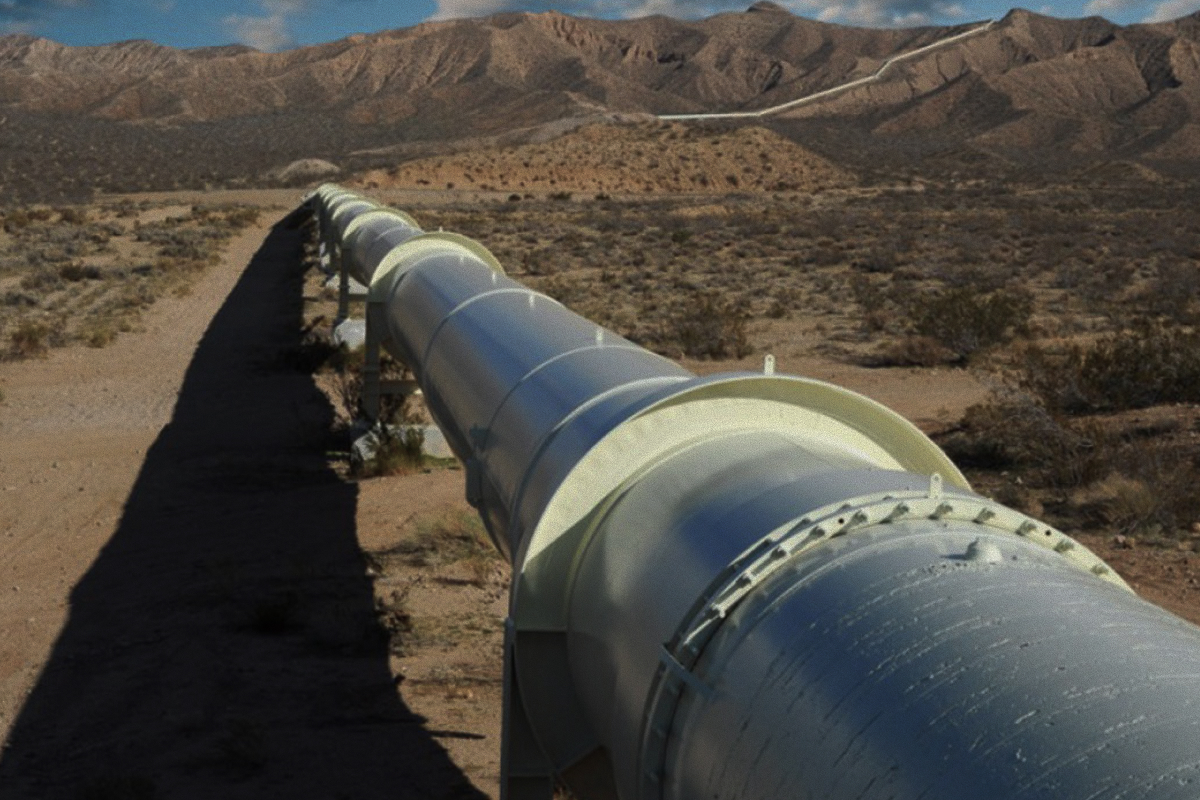
Construction work has begun on the Algerian section of the Trans-Saharan Gas Pipeline (TSGP) in the Adrar province in southern Algeria. The ceremony brought together representatives from Algeria, Nigeria, and Niger, as well as the state-owned energy companies Sonatrach, Nigerian National Petroleum Company, and SONIDEP.
The idea of building a gas pipeline across the Sahara first emerged in the 1970s. In the early 2000s, the three countries resumed negotiations, but the project remained on paper due to cost, security concerns, and the complexity of coordination among the three governments. The real catalyst came in 2022: when russia cut gas supplies to Europe and Brussels began looking for alternatives, the TSGP gained new significance.
The route begins in the Warri region in southern Nigeria, crosses Niger, and emerges at the Algerian gas hub of Hassi R’Mel. The total length of the route is approximately 4,128 km, with a projected capacity of 30 billion cubic meters of gas per year. The Algerian section will cover about 1,210 km. From there, the gas will be able to travel further through the Algerian gas transmission network, Mediterranean export terminals, and pipelines toward Europe. Niger plans to begin work on its section in 2027.
Each of the three countries stands to gain from the project. Nigeria gains a land route to the European market in addition to maritime shipments of liquefied natural gas. Niger is becoming a transit country with corresponding revenues from infrastructure maintenance. Algeria, which already supplies about 12% of the EU’s gas imports, is strengthening its position as a key supplier to Europe.
The start of construction coincides with specific deadlines set by Brussels. According to approved EU regulations, the ban on imports of russian liquefied natural gas will take effect in early 2027, and the ban on pipeline gas from russia – in the autumn of that same year.