
Türkiye Is Positioning Itself As a New Energy Corridor Between the East and the West
5/21/2026
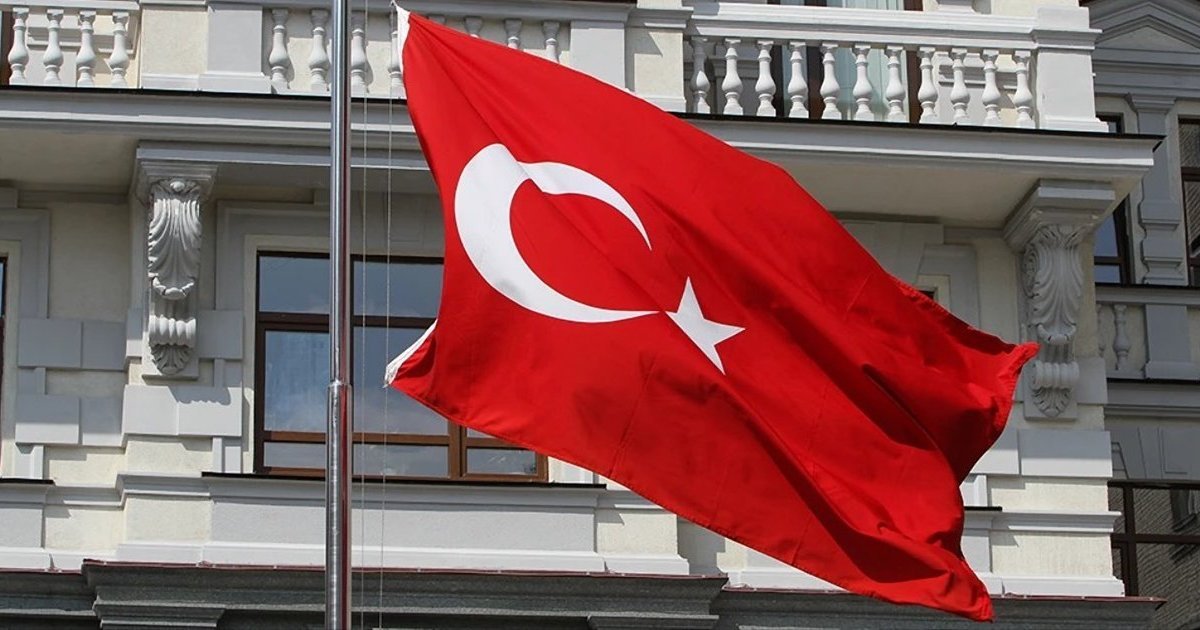
At the NATO summit in Ankara on July 7–8, Türkiye is going to present a project for a military fuel pipeline running from its territory through Bulgaria to Romania. The cost of the project is approximately $1.2 billion. There will be no civilian or commercial access; it is strictly for defense logistics. Technical details of the route, capacity, and construction timeline are not being disclosed.
According to Western experts, the overland route through Türkiye and Bulgaria costs about five times less than alternatives via Greece or through Romania’s western neighbors. Maritime logistics are more vulnerable; land-based logistics is cheaper.
In parallel, the government of Türkiye is promoting a whole constellation of large-scale infrastructure projects together with partners in the Middle East and Central Asia.
The most ambitious of these, the “Qatar– Türkiye” gas pipeline, could transport up to 30 billion cubic meters of gas per year along a route stretching over 1,500 km from the Persian Gulf to Türkiye’s coast and on to European markets. The Trans-Caspian gas pipeline envisages an underwater connection between Turkmenistan and Azerbaijan, bypassing russia and Iran, with a capacity of 10 to 30 billion cubic meters depending on the scale of implementation. The Iraqi “Basra–Haditha” oil pipeline could reach a capacity of 2.5 million barrels per day, while the Syrian oil transportation network is being considered as an additional route for transporting crude oil to Türkiye, with a potential capacity of up to 45,000 barrels per day. Separately, a high-voltage direct-current line between Saudi Arabia and Türkiye is being discussed to integrate the power grids of the two regions, particularly with a view to transmitting renewable energy.
Ankara is purposefully building its role as an intermediary between resource-rich regions and European consumers. The military fuel pipeline strengthens its position within NATO not merely as an ally with a vote, but as an operationally critical link. At this, the broader energy roadmap demonstrates the country’s aspiration to become an infrastructure intermediary between the resource-rich regions of the Middle East, Central Asia, and the Caspian Basin and European consumers.