
Utility Accidents – the New Norm of Life in the rf
2/2/2026
construction, housing and utilities irek faizullin, has fallen into a state of systemic collapse during his tenure. Housing, heating, and basic infrastructure in the regions are in critical condition, while the official himself has amassed a considerable personal fortune – his real estate holdings alone are valued at nearly $27 million. The contrast between the minister’s financial results and the actual state of the industry is quite telling.
The kremlin’s policy only deepens this gap. Billions of dollars from the federal budget are systemically directed to the military-industrial complex and the war against Ukraine, while housing and utilities remain chronically underfunded. Investments in infrastructure have been postponed for years, even when the technical wear and tear of the networks reached critical levels.
The result has been a sharp deterioration of communal infrastructure throughout the country. On average, network wear and tear in russia exceeds 60%, in some regions reaching 80%. Under such circumstances, any external factors, such as cold weather, become a catalyst for massive disruptions.
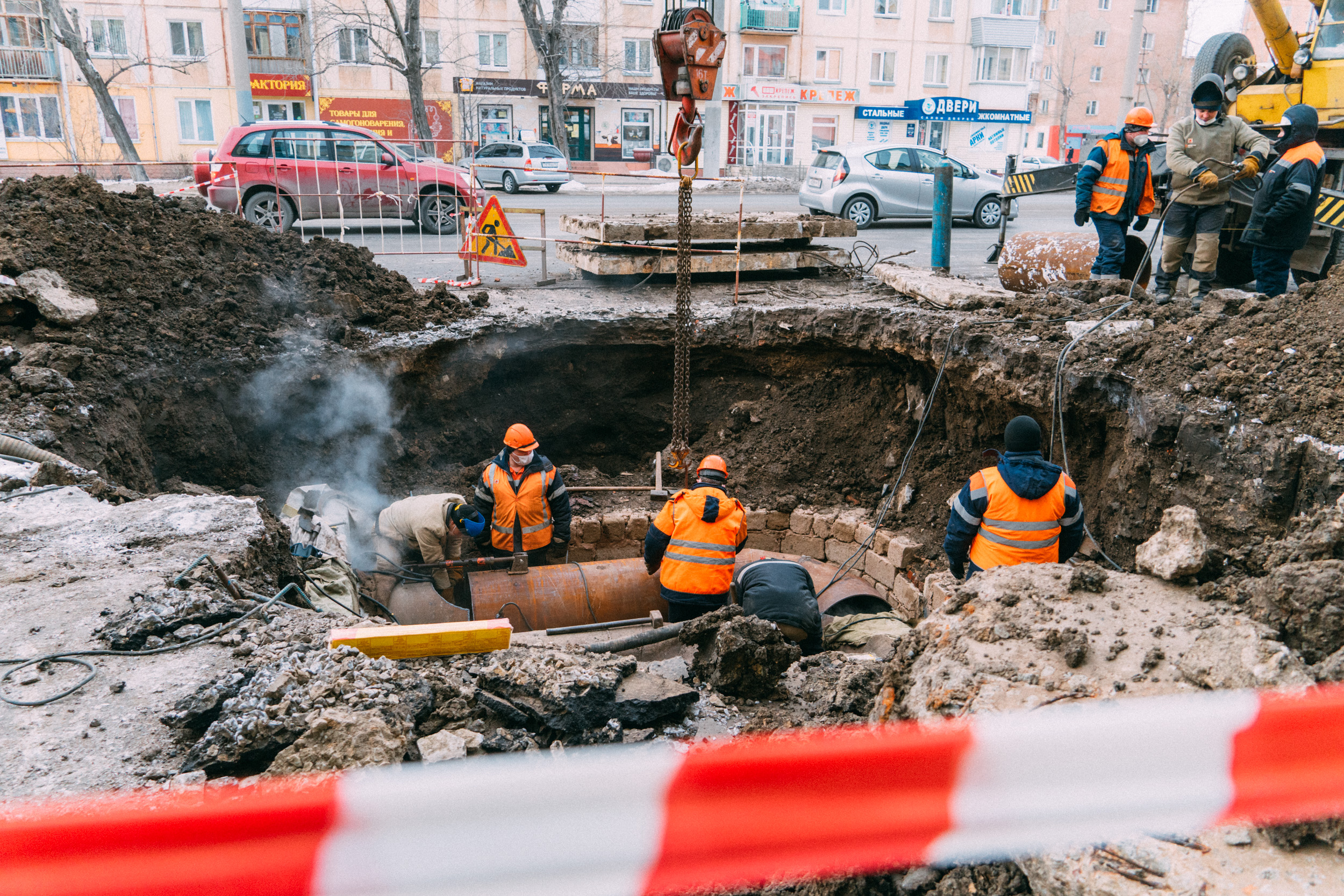
This became apparent in January, when russia was hit by a wave of large-scale utility accidents. At least 12 regions experienced heating pipe bursts and power outages. The most serious incidents were recorded in kazan, omsk, murmansk region, samara, the krasnodar and transbaikal territories. There were 723 reports of outages of power, 552 – of heating, and 513 – of water. A total of 1,778 cases were publicly reported. For comparison, in January 2025, there were 983 such cases.
The authorities explained the actual collapse of the system by a combination of cold weather and worn-out networks, ignoring their own role in bringing the industry to this state.
In parallel with the accidents, the state is shifting the financial burden onto the population. Against the background of technical collapse, the authorities are launching a two-stage increase in tariffs for housing and communal services: from January 1, payments increased by 1.7%, and from October 1, the increase will be from 8% to 22% depending on the region. Formally, this is presented as the need to modernize infrastructure, which over decades has been brought to the point of demolition.
As a result, even declared investments do not change the overall trajectory. There is a constant shortage of funds, and those that are allocated systemically disappear into an opaque management system. Utility accidents in russia are no longer the exception but are increasingly becoming an everyday reality.