
“wildberries”’ Problems Turning Into a Crisis for russian Banks
8/3/2026
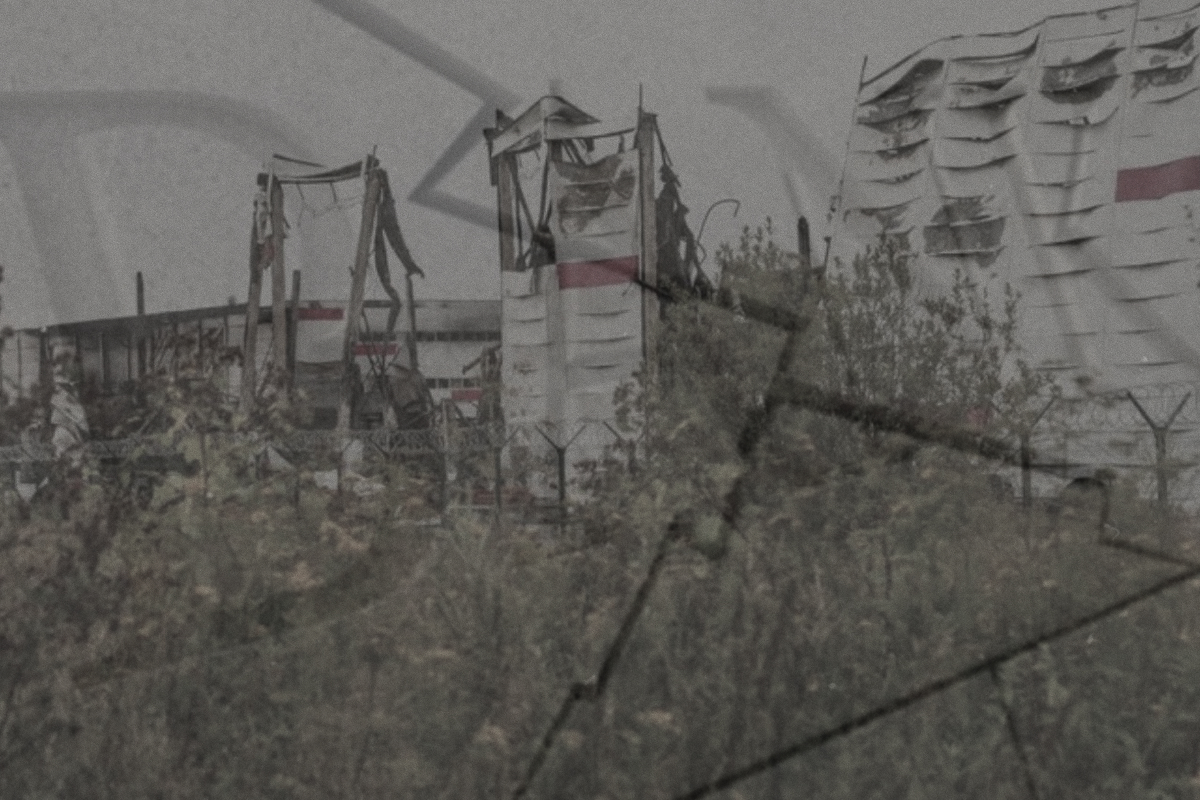
Problems of “wildberries” extend far beyond a single marketplace. Fires at the company’s warehouses have dealt yet another blow to russia’s financial system, which is already grappling with a rise in non-performing loans, an outflow of funds from banks, and a liquidity shortage.
“wildberries’’ debts to russian banks are estimated at 1.3 trillion rubles. The largest portion of this amount is owed to “vtb” – the country’s second-largest bank. According to estimates, “vtb”’s balance sheet may include 500–600 billion rubles in loans to the marketplace. For the bank, this means the emergence of a new major risk amid already accumulated problems with the quality of its loan portfolio.
But the problem is not limited to “vtb”. “wildberries’’’ debts are linked not only to the marketplace itself but also to the thousands of sellers operating through the platform. A significant portion of these obligations consists of short-term loans. Losses from destroyed goods are already estimated at approximately 500 billion rubles. If some sellers are unable to meet their obligations, russian banks will face a new wave of troubled borrowers.
For the russian banking system, this represents additional pressure at a time when it is already losing stability. In the first two weeks of July, the outflow of cash from russian banks reached 500 billion rubles – twice as much as in all of June. The liquidity shortfall is approaching 2.5 trillion rubles.
This situation is the result of a model the kremlin has spent years building around state control, preferential lending, and support for businesses with close ties to the government. Now, the accumulated risks are coming back to haunt the banking system in the form of non-performing assets.
The kremlin’s ability to simply throw money at the problem is also limited. The federal budget deficit already stands at about 6 trillion rubles, and on July 24, the central bank of the rf raised its forecast to 8 trillion. Banks that were recently buying government bonds may now need support from the budget themselves.
russia’s authorities are left with a choice that offers no good options. They can either allow a new wave of bankruptcies, which would expose the weakness of the system they have created, or once again inject money into the economy by issuing rubles. In the latter case, the consequences of the kremlin’s latest miscalculations will be passed on to the population through inflation and a decline in purchasing power.