
A Trap and Control Instead of Wages: It’s Time for Migrant Workers to Flee russia
9/21/2026
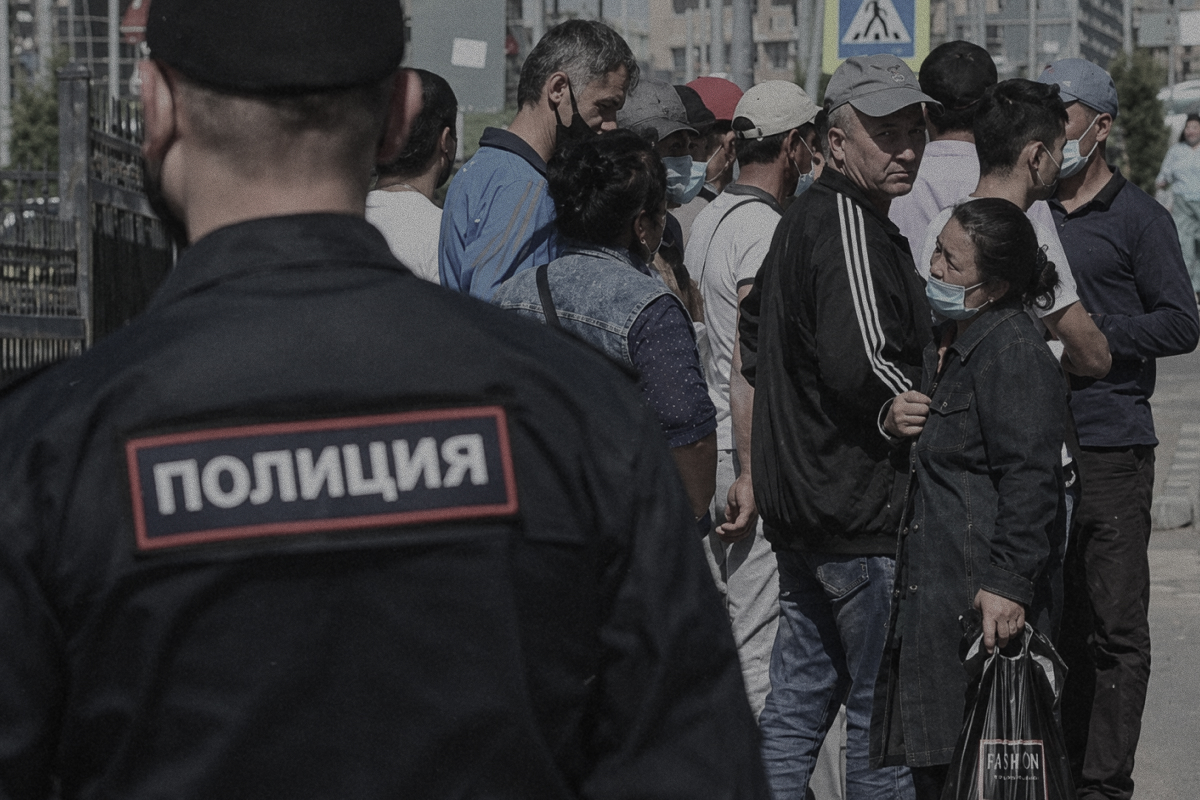
The rf is facing a massive exodus of labour: over the last ten days, around 100,000 migrant workers from Uzbekistan alone have left the country. This is due not only to the fall in real incomes caused by the weakening of the rouble, but also to the tightening of immigration laws, security concerns and general instability in russia.
Yet this is not stopping moscow, against the background of its own labour shortage, from introducing even stricter rules for migrant workers. Soon, employers will be required to provide migrants with accommodation and transportation to their place of work, and upon completion of their contract, to organize their return to their home country. This involves a police-style system under which a foreigner’s stay in russia will be strictly monitored at all levels, following the “home–work–home” principle.
moscow also plans to tighten control over migrants using digital technologies. For instance, from 2027, there are plans to launch an analytical centre to fight illegal migration, which will bring together data from the border service, migration control authorities, employers, government bodies and facial recognition cameras. Furthermore, there are plans to make active use of artificial intelligence systems to track down illegal migrants.
In parallel, russian authorities are increasing the financial burden on foreigners. There are plans to oblige working migrants to pay tax for every non-working family member living with them in russia (it is utterly absurd to earn money in russia only to then pay additional money to that very same russia).
The practice of recruitment into the russian army is particularly dangerous for foreign workers. Against the background of a shortage of personnel for the war against Ukraine, russian siloviki are exploiting the vulnerable position of migrants by offering them money, citizenship or solutions to artificially created problems with their documents.
Increased monitoring, financial demands, migration restrictions and the risks of forced or deceptive recruitment are making it increasingly dangerous for foreigners to stay in the rf. Against this background, workers from Uzbekistan and other countries are already seeking alternatives to the russian labour market. Among the destinations they are turning to are China, South Korea, Serbia, and countries in the Middle East and Eastern Europe.
For migrant workers, this is a sign that russia is no longer a safe or predictable place to earn a living: the risk of losing money, facing strict controls or even being drawn into a war may prove to be significantly higher than the potential earnings.