
Africa Under a New Attack from the “russian world”: Propaganda, Media, and Youth Are Among the Main Levers of Influence
10/18/2026
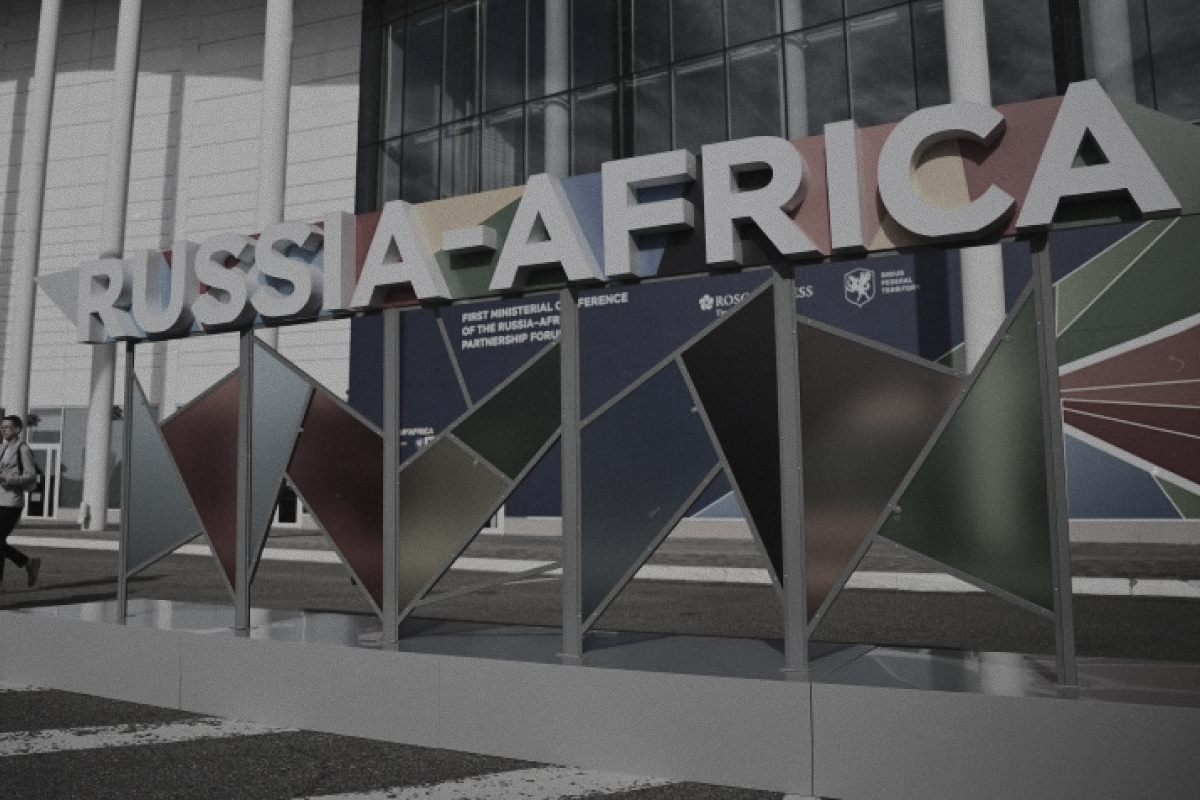
russia is once again declaring its imperial ambitions and dreaming of reviving the former soviet influence on the African continent. Today, through its mouthpieces, the kremlin is actively promoting the “russia–Africa economic and humanitarian forum”, scheduled to take place in late October in moscow. In the announced program, the organizers state their desire to form a “new architecture of cooperation” between russia and African countries.
The organizers view propaganda and “work” with young people as key building blocks of this “architecture”. To this end, a media forum will be held as part of the event, featuring the heads of news agencies and media corporations from African countries. Participants are set to discuss “the influence of the media in global majority countries on the world”. russia’s propagandists will also “assist” in the establishment of “independent” media in Africa and outline “prospects for the development of media resources as tools to combat disinformation and strengthen the positive image of russia and Africa.” The very wording of the topics indicates the russians’ desire to impose their own framework on African media professionals and to spread exclusively russian narratives in the information space.
The kremlin is also paying special attention to “youth issues”. As part of the October forum, “youth days” will be held at the moscow state institute of international relations (mgimo). According to the organizers, participants will be able to exchange experiences and “establish contacts”. It is well known that mgimo is the main “talent incubator” for the ministry of foreign affairs of the rf, and its graduates have been spreading russian narratives around the world for decades.
The kremlin’s favorite tool for promoting the “russian world” abroad – the “rossotrudnichestvo” agency – is also trying to act in lockstep with the capital’s policies. In early September, the agency’s head igor Chaika announced the opening of 11 “russian houses”, 8 of which will be located in Africa. One of the outcomes of these centers’ activities is the promotion of the russian language and the provision of quotas for free education in the rf for foreigners. The new “russian house” in Madagascar has already received a group of instructors from shadrinsky pedagogical university, who are conducting master classes on learning russian. It is precisely through students who have received their education in russia that the kremlin will try to further shape its policy in Africa. Today, more than 37,000 African students are already studying at universities in the rf – a number that has doubled in recent years.