
Agricultural Machinery Has Come to a Standstill in russian Regions Due to the Fuel Crisis
7/11/2026
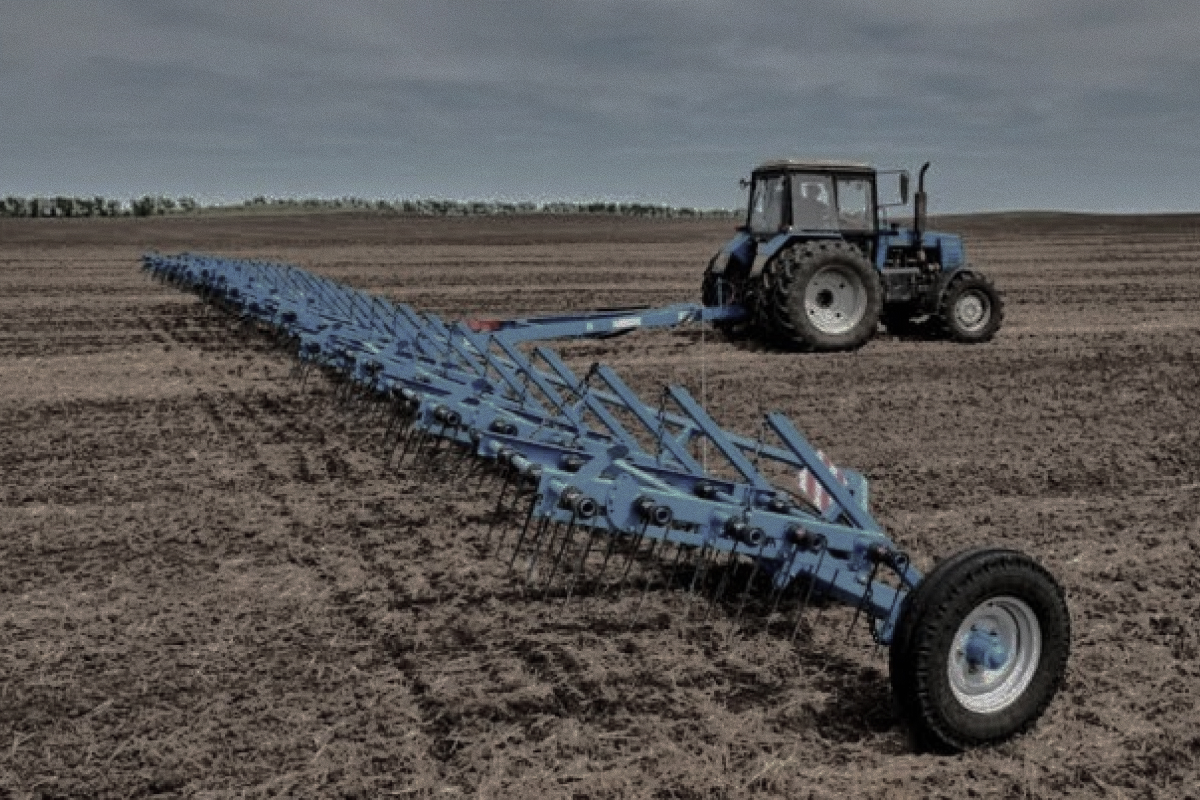
russian farmers and logistics operators are already openly complaining about the desperate situation caused by the fuel shortage. The management of the transport company “azovzernotrans”, which handles grain transportation in southern russia, reports a catastrophic situation: the nearest filling stations are closed, and where diesel is still available, strict limits are in place – up to 30 liters per tank. Given that modern loaders consume about 8 liters of fuel per hour, drivers are forced to make hourly trips to filling stations, which effectively brings all production processes and logistics in the ports of azov, taganrog, and rostov-on-don to a standstill.
An even bigger problem amid the systemic crisis has been the complete paralysis of heavy construction and tracked equipment. Since, under the new regulations, filling stations are not allowed to fill fuel into canisters or other containers, it has become physically impossible to refuel bulldozers or excavators, which are legally prohibited from traveling on public roads. russian business owners helplessly note that work on infrastructure projects has stopped.
The fuel crisis is already directly threatening to derail the planting and harvesting seasons in russia. According to farmers, fuel shortages and delays will inevitably lead to yield losses of up to 30%. Small and medium-sized farms that do not have their own large fuel storage facilities are forced to buy diesel at regular filling stations at exorbitant, speculative prices, which negates any profitability of businesses.
At the same time, the financial crisis in russia is being fueled by runaway inflation: within just a few days, the price per liter of diesel fuel for wholesale purchases jumped from 107 to 115 rubles, and the shortage continues to drive prices higher. russian farmers admit that buying fuel – even at these astronomical prices – is becoming impossible; it simply isn’t physically available. Small and medium-sized businesses in russia are currently dying out, and only a handful of large oligarchic monopolies with close ties to the government stand a chance of surviving this poverty created by the kremlin regime.