
belarus Is Training a Generation of Unskilled Workers Instead of Engineers
7/13/2026
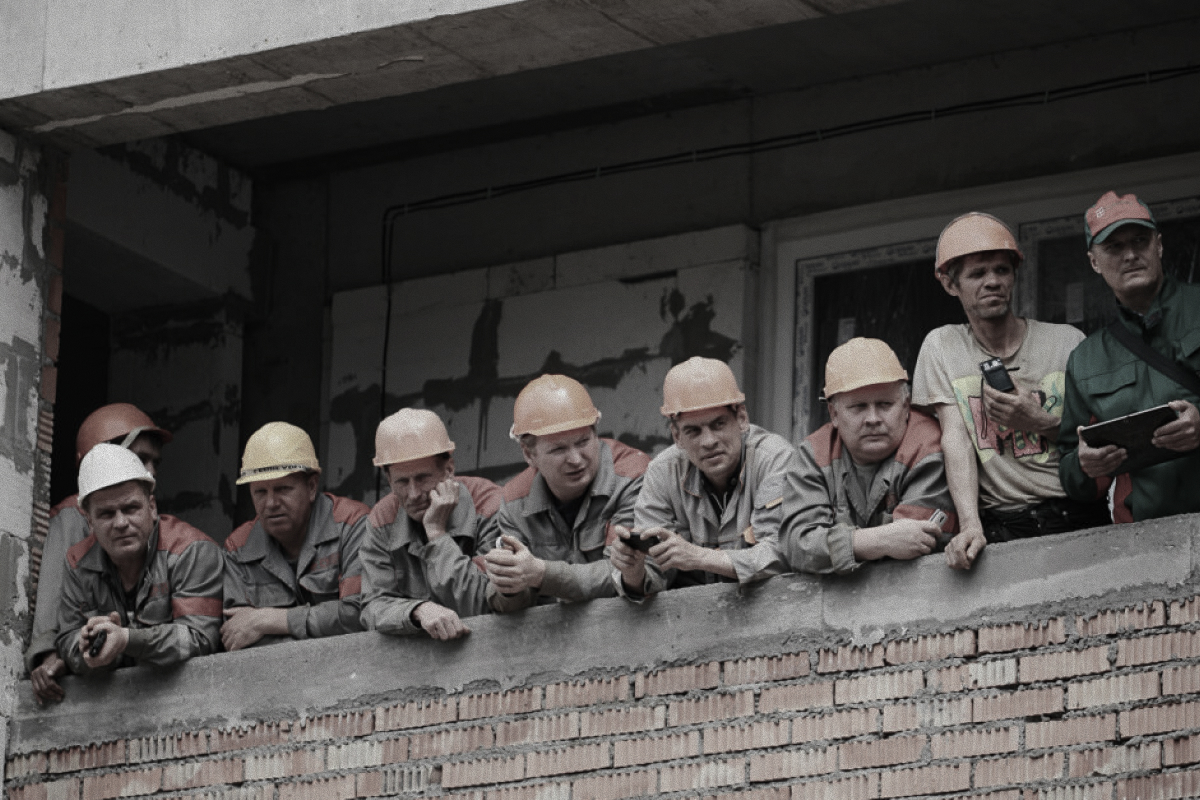
belarus is rapidly reducing the number of college students and scrambling for cheap labor to fill the gaps in the labor market. Over the past five years, the number of students enrolled in community colleges and vocational schools has increased by 17.4% and 8.6%, respectively, while the number of undergraduate students has plummeted fourfold: from 254,426 in 2020 to 69,199 in 2025. The decline in master’s programs is nothing short of catastrophic, having dropped from nearly 9,000 to 23 students.
The ministry of education attributes this to “high demand for mid-level specialists” and plans to increase the proportion of ninth-formers enrolling in college to 50% by 2030. Starting as early as eighth form, school administrators are effectively steering teenagers toward blue-collar professions by putting up posters listing “in-demand” construction and low-skilled trades.
The reason is simple: the country is short of about 132,000 workers. minsk never managed to rely on migrant workers, so it decided to fill the gap with its own children. This is compounded by mass emigration of belarusians (including political emigration) and a declining population.
There is also a third factor: higher education in belarus has lost its prestige; parents are disappointed with its quality; while a vocational trade allows teenagers to start earning money sooner without years of study.
The consequences will be severe. Experts compare the forced maturation of children to child labor in 19th -century factories, which was harmful both physically and psychologically. The reliance on low-skilled manual labor is pushing the economy toward technological regression: without its own specialists in mathematics, physics, and the exact sciences, belarus is doomed to depend on foreign technologies, access to which no one can guarantee.