
Cash Rubles Are Becoming a Toxic Asset Even in “Fraternal” Countries
7/5/2026
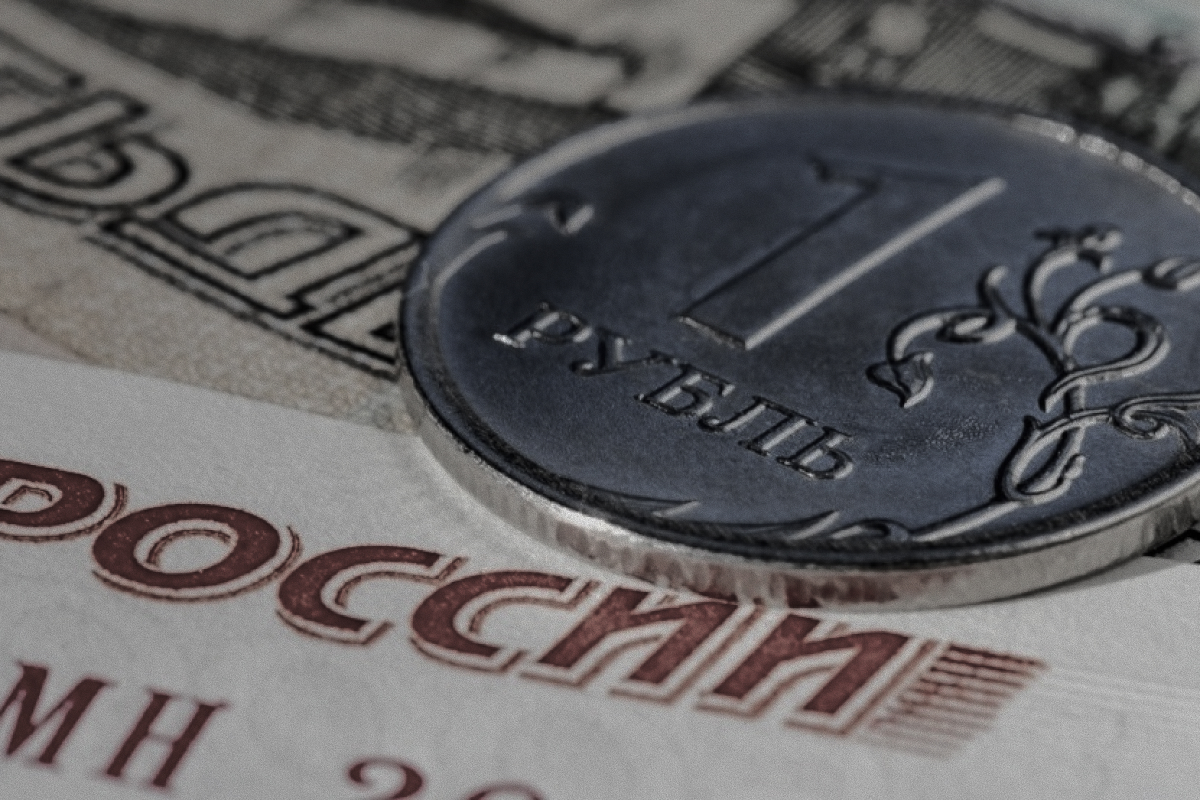
Banks in the Eurasian Economic Union have begun to impose widespread restrictions on accepting russian rubles in cash. In belarus, at least eight banks – including “alfa-bank”, “belarusbank”, “belweb”, “sberbank”, and “technobank” – have introduced a fee of up to 5% for depositing cash into non-resident accounts. Kazakhstan’s “Tsentrkredit” bank charges 5% for accepting rubles at teller windows, terminals, and ATMs. Kyrgyzstan’s “Ekoislamikbank” has introduced a similar fee for SWIFT transfers. In Armenia, the situation is even more severe: some banks have suspended cash ruble transactions altogether, although non-cash transactions are still taking place.
The reason for this development lies not in market conditions, but in a decision by the kremlin itself. On April 1, putin signed a decree prohibiting legal entities and entrepreneurs from taking any amount of cash rubles out of russia to EAEU countries, while allowing individuals to take out no more than the equivalent of $100,000. Formally, this was presented as a fight against illegal capital flight. In reality, however, it is an attempt to shut down the channels through which money was “escaping” the country bypassing the official banking system – for example, via road and railway transportation of cash.
The result turned out to be the opposite of what was intended. Having restricted cash exports, the kremlin did not stop the capital outflow but merely redirected it into the banking systems of neighboring countries, where rubles began to accumulate faster than banks were able to absorb them. In belarus, officials directly attribute the increase in cash deposits by russian residents to the deepening economic integration between the two countries. This is a euphemism for a more mundane phenomenon: russians continue to move cash wherever they still can, and neighboring banks, seeing the influx of rubles, have begun to protect themselves by charging fees to avoid taking on liquidity risks and reputational problems stemming from dealing with a currency subject to sanctions.
For ordinary russians, this poses a new and very real problem. Those who were in the habit of taking cash to neighboring countries – for example, to pay for real estate, business ventures, or simply to save money outside their home country’s banking system – are now losing up to 5% on each deposit. This is an additional tax on the desire to move money away from their own country’s unstable financial system. And given that russia has simultaneously maintained strict restrictions on foreign currency exports since 2022 (no more than $10,000), the average russian is effectively caught between a rock and a hard place: currency isn’t allowed out of the country, while abroad, no one wants to accept rubles for free anymore.
The broader context is even more troubling. The russian banking sector is increasingly being cut off from external settlements in “unfriendly” currencies and is losing access to Western capital markets. Banks in neighboring EAEU countries, which previously willingly handled ruble flows, are now acting as cautious partners who view the ruble not as a trading instrument but as a source of problems.