
Central Asia Is Finally Moving Away from russia’s Sphere of Influence Towards Cooperation with the World’s Developed Economies
9/23/2026
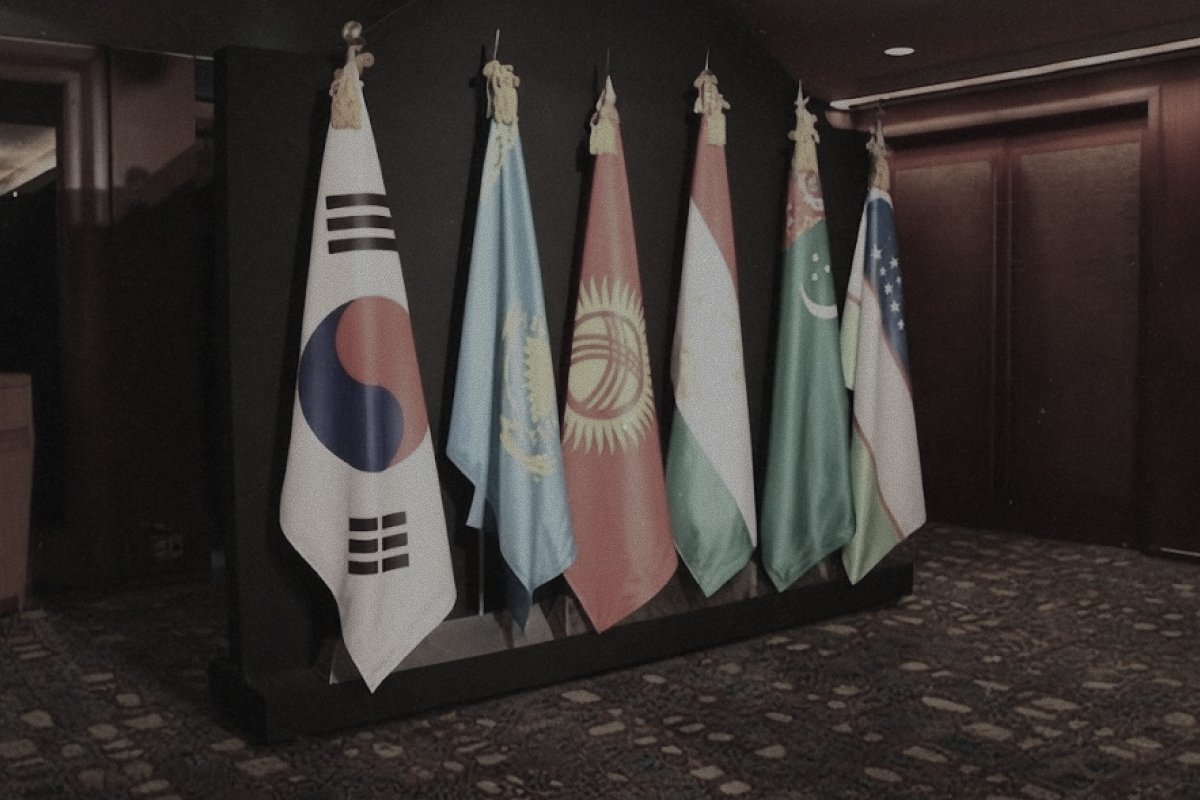
The “Central Asia–South Korea” summit at head-of-state level has definitively cemented russia’s loss of influence in the region. Whilst kremlin officials continue their public demagoguery about “sovereign Eurasian leadership”, the Republic of Korea has, without undue fanfare, taken the lead in the region.
Following the summit, the heads of state of the six countries – South Korea, Kazakhstan, Kyrgyzstan, Tajikistan, Turkmenistan and Uzbekistan – adopted the 28-point Seoul Declaration. In it, the leaders set out their vision across the following key areas: the institutionalization of the “Republic of Korea–Central Asia” partnership; a joint drive towards peace and stability; shaping a future of innovation and prosperity; and strengthening interconnectivity through the development of friendly relations and trust.
At the geopolitical level, this event signals a shift towards systemic cooperation in the interaction between Central Asian countries and the world’s major economies. South Korea has offered its partners a clear and straightforward formula: investment, technology and capital in exchange for critical minerals, raw materials and markets.
By the end of 2025, trade turnover between South Korea and Central Asia had reached $10 billion, of which $8.665 billion represented South Korean exports to the region, and 1.39 billion represented imports from Central Asia to South Korea. And during the summit alone, Kazakhstan managed to sign about 80 commercial agreements totalling approximately US$19 billion.