
cis Plus Iran: An Alliance of Sanctioned States Will Speed Up the Collapse of the commonwealth
10/27/2026
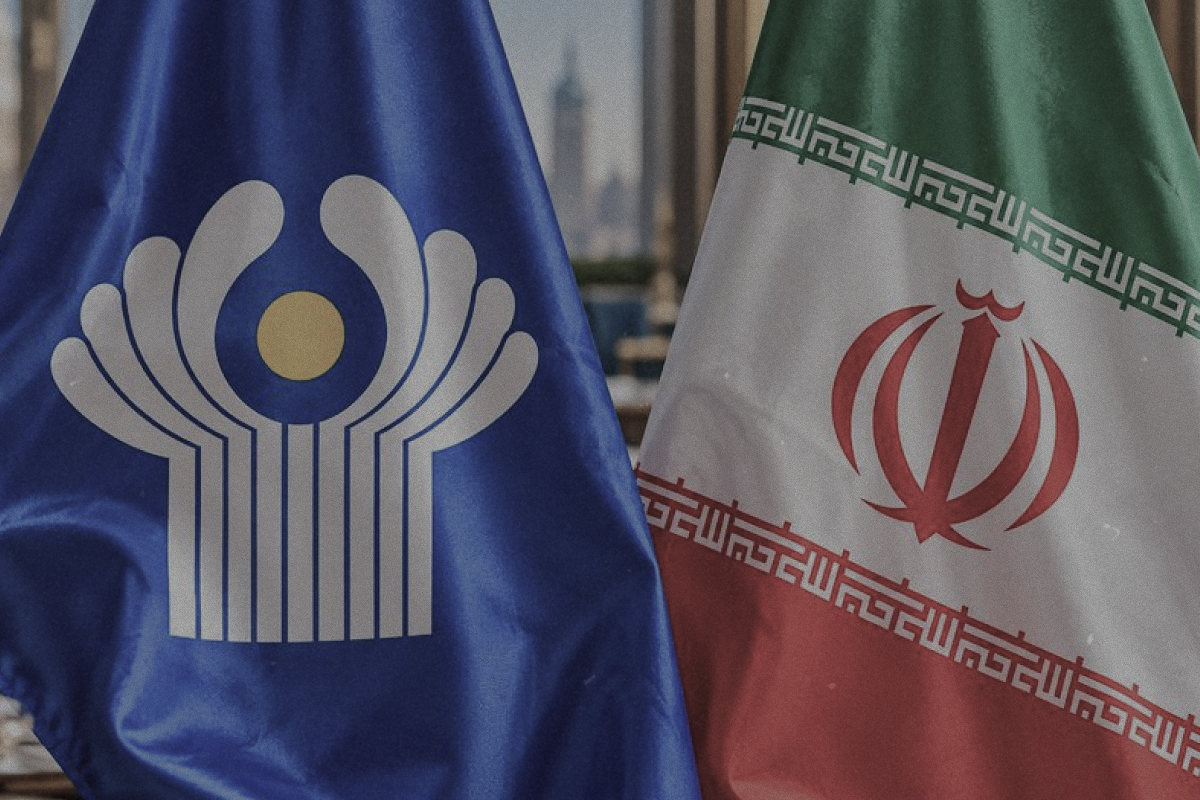
The kremlin’s favorite slogan, “We don’t abandon ours”, could prove fatal for the barely surviving commonwealth of independent states (cis). At the summit in Ashgabat, President of Iran Masoud Pezeshkian proposed creating an artificial alliance – “cis Plus Iran”.
Sanctions pressure makes full-fledged cooperation between Iran and the civilized world virtually impossible. Therefore, the country’s leadership hopes that participation in the cis’ Caspian transport projects will enable Iranian goods to enter new markets. This refers to the “north–south” international transport corridor, announced back in the early 2000s.
The kremlin has repeatedly promised to finance, complete, and launch this project at full capacity, but most of the promises have remained on paper. The shallow waters of the Caspian Sea, the lack of modern vessels, and non-existence of a fully developed railway infrastructure make this “transport artery” virtually ineffective. An attempt to deliver russian coal to the promising markets of India has already demonstrated the economic impracticality of such shipments.
Other members of the commonwealth are already seeking alternatives to russian transport routes. Kazakhstan, Uzbekistan, Turkmenistan, Kyrgyzstan, and Azerbaijan are actively developing corridors that bypass russia and do not involve it. In particular, the CASCA+ route (an expanded format of cooperation within the Middle Corridor) has already successfully connected the countries of the Asia-Pacific region with Europe.
At the same time, closer ties with Iran pose additional risks for the other cis members. russia is the world leader in the number of sanctions imposed: according to different estimates –26,000 to 31,000. Iran ranks second, with approximately 6,000 sanctions. Given the comprehensive strategic partnership agreement between moscow and Tehran and their collaboration in the aggression against Ukraine, this new alliance could increase the risk of secondary sanctions for its other participants.
The attempt by these two global outcasts to support one another through joint trade has so far worked effectively only on paper. The “north–south” transport corridor was not effective even before russia’s full-scale aggression against Ukraine, while international sanctions only complicate its prospects today. Currently, the route continues to face infrastructure and logistical constraints. In other words, the situation has hardly changed over the past few years.
Consequently, the new potential “cis Plus Iran” mechanism (if created) would become a sort of “black swan” for the commonwealth itself. Other member states not subject to sanctions, wishing to remain full participants in global trade, will be forced to distance themselves from toxic partners at an accelerated pace.